
p
 The word “holy” is a healthy and meaningful word, though probably one of the most misunderstood terms in the English language. The concept of holiness does not suggest “spiritual superiority” or “moral perfection.” The word “holy” means set apart or different. In the New Testament the Greek word for holy is “hagios,” which means “different,” specifically different from the world or different than the cultural norm.
This Sunday is Palm Sunday which marks the beginning of Holy Week, a week that is to be different from a normal week. For me, Holy Week is a season for soul-searching and contemplating the depth of God’s love. During this week, Christians, all around the globe will be reflecting on the events that led to the death, burial and resurrection of Christ.
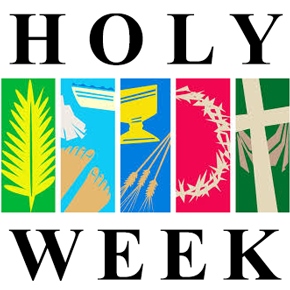
Why is observing Holy Week important to our preparation for Easter? Here’s a bit of history: The traditional observance of Holy Week seems to have originated in the Christian East, emerging out of the practice of pilgrimages to Jerusalem. Each day of Holy Week is important but at least four days call for specific reflection. Palm Sunday is a day to revisit the royal welcome extended to Jesus by the curious crowd as he entered Jerusalem. On Maundy Thursday believers recall the occasion when Jesus washed the feet of the disciples as he gave them a new mandate to love and serve. Good Friday is a day to review the passion and suffering of Christ on the cross. And Resurrection Sunday, or Easter, is a festive day to celebrate and proclaim that “Christ is risen; He is risen indeed.”
Dr. C. Welton Gaddy, senior minister at Northminster Church in Monroe, Louisiana describes the progressive steps in a meaningful pre-Easter journey: “Holy Week services bring into focus dimensions of discipleship that are missed completely by a simple leap from Palm Sunday to Easter. Worship services which take seriously the truths of Maundy Thursday and Good Friday please God because they challenge a greater commitment and a more comprehensive ministry of compassion among the people of God.”
This year as you navigate through each episode of Holy Week, here are a few suggestions for keeping Holy Week, holy:
- Read the gospel account in John 12-20.
- Listen to the conflicting voices in the crowd
- Meditate on the cruel injustice of the cross.
- Imagine the passion of Christ’s suffering.
- Think on the hopelessness at his burial.
- Celebrate the hope of the resurrection.
- Renew your vows to faithfully follow Jesus.
Such an intentional journey through Holy Week may deepen our faith and inspire us to follow Jesus with unrelenting resolve.
(Barry Howard serves as Senior Minister at the First Baptist Church in Pensacola, Florida.)
 Cove Creek Reflections