
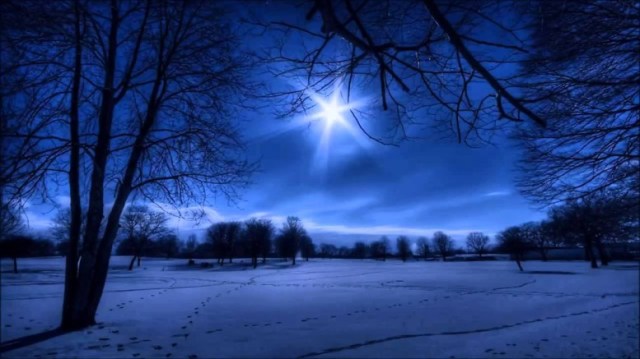
Yesterday when my wife and I went for our afternoon walk, it seemed to be getting dark a little earlier than the day before. And today will be even darker. And it should be, because today is the darkest day of the year.
For those of us who live in the northern hemisphere, the shortest day of the year, the Winter Solstice, usually occurs on Dec. 21. The solstice, which literally means, “sun stood still,” officially marks the beginning of winter.
More notably, with the shortest day also comes the longest period of darkness. The Earth’s axial tilt is at its furthest point from the sun, allowing the least amount of daylight to reach the earth.
While it may be merely coincidental that the darkest day arrives just prior to our customary celebration of Christmas, from my experience as a pastor, I am aware that holidays can be dark days emotionally for many of us.
While there are a variety of events, experiences and emotions that cast dark shadows over our lives, some even bleak enough to obscure the joy of Christmas, a prominent culprit is grief.
Grief comes in many shapes and sizes. We grieve over the death of friends and loved ones. We grieve over disintegration of a marriage. We grieve over an unexpected diagnosis. We grieve over friction within the family. We grieve over the loss of a job. We grieve over tragic events around the globe. At times, we may even grieve over our diminishing health, the loss of our dreams or the fading of opportunities.
Let me be quick to affirm that grieving is healthy as long as we are progressing through the grief process as opposed to becoming stuck in our grief.
The Bible never tells us not to grieve, but it does counsel us not to grieve “as those who have no hope” (1 Thessalonians 4:13).
Be aware that the empty chair at the Christmas dinner table, the Christmas card labeled “return to sender” or the empty pillow on the other side of the bed can all trigger a seemingly overwhelming sense of darkness, loneliness or grief. Grief is a naturally part of life. However, unprocessed grief is unhealthy and can lead to anger, depression or even physical illness.
During the holidays, rather than being overwhelmed by the darkness of grief, look your grief in the eye and call it by name. Dialogue with your grief. Don’t deny it or ignore it. But just because grief is present, it doesn’t have to be dominant. Don’t let grief dictate or dominate the mood or conversation of your holiday celebration.
I am convinced that because we are “fearfully and wonderfully made” (Psalm 139:14), our faith gives us the capacity to experience the pangs of grief and “the peace of God, that transcends all understanding” (Philippians 4:7) simultaneously.
Our faith does not exempt us from the darkness, but our faith does equip us to deal with our grief with deep-seated hope.
Hinting at what life will be like when the promised Messiah comes, Isaiah 9:2 envisions that, “The people walking in darkness have seen a great light; on those living in the land of deep darkness a light has dawned.”
Walk through the darkness with courage. Just don’t take up residence in the shadows. Grief does not have the final word.
Today is the darkest day of the year. But tomorrow, the days start getting longer, bringing a little more light. The psalmist reminds us that “Weeping may endure for the night, but joy comes in the morning.” (30:5b)
After the long night of darkness, then comes the light, gradually, but certainly.
Be careful not to let the darkness of grief eclipse the Light of Christmas.
(Barry Howard serves as a pastoral counselor who leads Healthy Grief Groups in Pensacola, Florida.)

 Cove Creek Reflections