
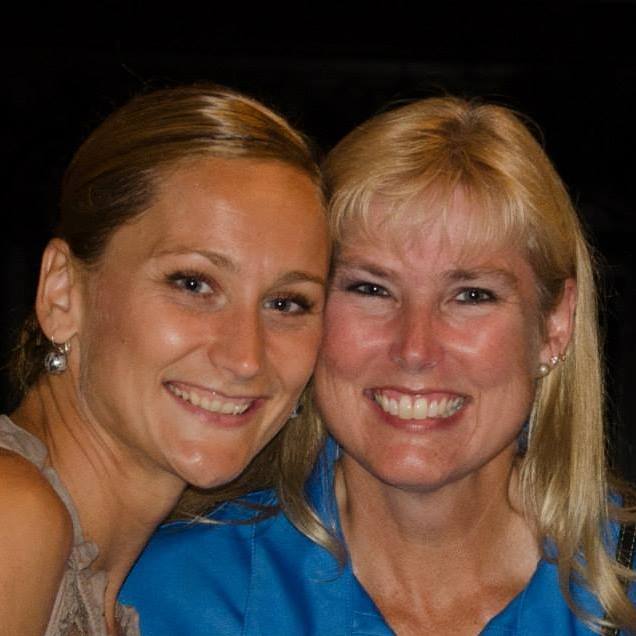
Amanda and I are blessed with friends around the world, many of whom are like family to us. During the last few weeks as we have observed the global spread of COVID-19, we have been contacting friends around the globe to check on their well-being and to offer a word of encouragement.
Katarzyna Sadowska, who has served in the medical industry in the past, has been a friend for several years. She and her husband currently live in Campania in southern Italy, an area that Amanda and I visited just this past summer. I contacted Katarzyna and asked her if she might be available to respond to a few questions that might help us be better informed about the current situation in Italy. Here are the questions and her responses:
When did you first become concerned about the threat posed by COVID-19?
I first become aware of the spread of the novel coronavirus at the beginning of February, when the media started sharing more and more information about a serious outbreak in China. I don’t remember exactly when Italy announced their first infected cases (which was in Lombardia in the north region, one of the most affluent areas), but it must have been around early Feb as well.
Initially people were only advised to minimize their social contacts and larger gatherings. However, from what was easily noticeable, not many took the advice seriously.
The numbers of confirmed and suspected cases were growing rapidly, and the authorities had to introduce broader restrictions. After ‘gentle’ suggestions and reminders in form of hand-cleaning ads on tv, they had to implement more rigorous measures. It was only then, it seems to me, when people came to understand the gravity of the situation.
What are the current conditions and restrictions where you live?
I live in Napoli (Campania) which is one of the southwest regions. Current restrictions here are the same as in the rest of the country. The whole of Italy is currently in lockdown:
- People are generally advised to stay home. There are only few valid reasons that can justify you leaving the house:
– work (if working from home is not possible)
– food shopping
– urgent medical appointments
– physical exercise i.e. jogging (not allowed in groups) - Schools, universities, pubs, restaurants, local businesses, shops are closed. Some offices, if operating, are only dealing with urgent matters.
- Hospitals, pharmacies and food stores remain open, however access to the latter two is restricted: only one person from a household is allowed to go in, people have to obtain a numbered ticket first, queue outside to only be let in when their turn comes. This way the grocery shops are trying to limit the numbers of shoppers and minimize the risk of transmitting the virus.
- Border closures and travel restrictions have been imposed. Travelers coming from abroad have to undergo a strict quarantine process.
- Police and supporting forces are patrolling roads and can issue fines for travelers who do not have a justifiable reason to travel
- Public transport restricted their schedules
- Tests, as far as I know, are only done on people who present with symptoms or may have been in contact with an infected patient.
Napoli has just under 1 million habitants. Latest national statistic update (as of 3.18/20) shows that in Campania there are 460 cases confirmed, of which 127 are hospitalized with 24 in intensive care, 272 are isolating themselves at home. There were 9 deaths and 28 recoveries recorded.
As the official sources suggest it is the older population who are more susceptible to contract the virus. Sadly, some reports suggest that elderly people die in their homes, following the isolation directive.
The national shortage of PPE is also concerning. It’s impossible now to find masks and the prices for disinfecting products are skyrocketing. We should understand that those who work directly with infected/suspected cases and risk their lives to tackle this pandemic, need them more than those who can safely isolate themselves at home.
Has your area begun to see any improvements in mitigating the spread of COVID-19 or reducing the number of persons infected?
The south of Italy has not been as severely affected as some of the northern regions, partially thanks to the travel restrictions. It’s still very early days to say but the numbers are relatively low, considering the total national case count.
As I mentioned before, the statistics say that 28 Campania’s patients have already recovered.
I do not personally know anyone who have tested positive so I’m unable to give any information regarding their treatment. However, it was reported in the media a few days ago that doctors from one of Napoli’s hospitals administered drugs normally used for treating cancer side effects to successfully help patients infected with COVID-19 to recover. Obviously, there’s still a very little research behind this practice.
What advice would you give to your friends in the United State regarding precaution, protection, and prevention?
Be wise. Be aware. Don’t panic. Follow the national guidelines in prevention of cross-infection and hand hygiene:
- Use protective gloves when going shopping. Sneeze like Batman (in your elbow).
- Wash your hands more often.
- Use disinfecting gel/wipes/spray to disinfect your phone and commonly used surfaces at home/office (including handles).
- Avoid big gatherings, events, crowded places.
- Reschedule non-urgent meeting, trips.
- Shop only for necessities and make sure the elderly can find something on the shop shelves too.
- Call/send messages to your elderly neighbors to check if they need any help.
- Avoid social visits – symptomless cases of infected patients have been recorded, do not put anyone at risk (including yourself).
- Stay home if you can.
- If you develop symptoms, contact an appropriate medical body for advice, as per your national guidelines.
- Watch the news regularly.
- Read only from trustful sources such as WHO and your local Health Department.
The situation may seem under control and still not look too serious, but it can escalate very quickly if we don’t make a common effort to stop it.
As the problem is undeniably global, I believe all nations should work together to not only carry out research on developing vaccination but also exchange all valid information and their observation on the virus tendencies, successful treatment etc.
(Thanks to Katarzyna Sadowska for sharing this update from Naples, Italy.)
 Cove Creek Reflections