A Few Life Lessons from the Olympics

Hebrews 12:1-2 includes this encouraging word to those who have begun a spiritual journey: “And let us run with perseverance the race marked out for us, fixing our eyes on Jesus, the pioneer and perfecter of faith.”

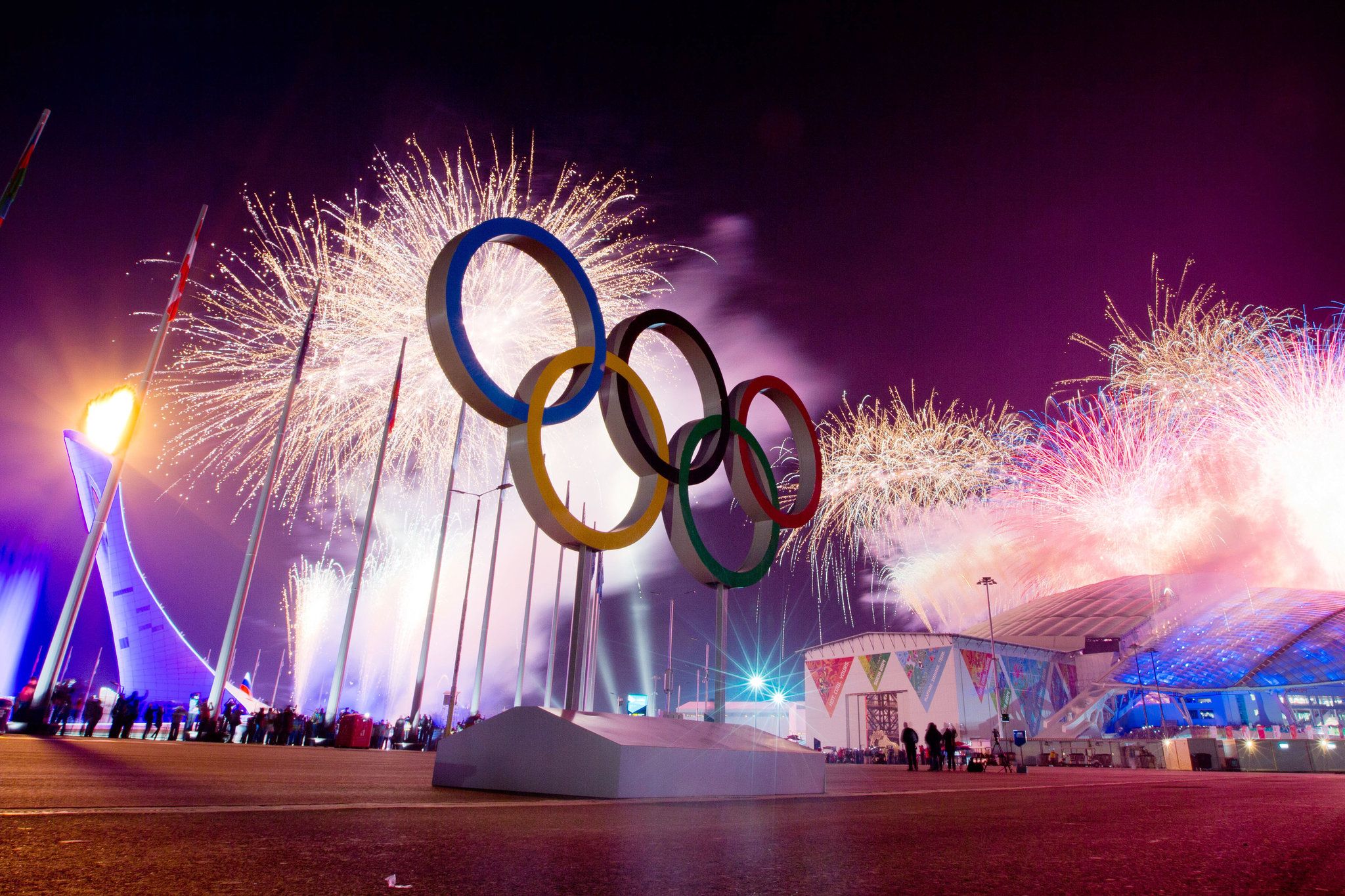
The Olympics celebrate human strength, determination, and the spirit of competition. The ancient games included the Panathenaic Games in Athens, the Isthmian Games in Corinth, and the early Olympics in Olympia. The modern Olympic games began in 1896 in Athens.

There are at least 7 places in the New Testament that utilize analogies from the ancient games to illustrate principles about life, most of them written by the Apostle Paul and the anonymous author of Hebrews. These texts draw parallels between these athletic competitions and the journey through life.

Here are a few of the life lessons from the Olympics:

1. Learn the value of unity and teamwork. The Olympics bring together people from diverse backgrounds and cultures, united by a common goal. In the same way, the body of Christ is made up of diverse members, each with unique gifts and talents. Ephesians 4:15-16 says, “Instead, speaking the truth in love, we will grow to become in every respect the mature body of him who is the head, that is, Christ. From him, the whole body, joined and held together by every supporting ligament, grows and builds itself up in love, as each part does its work.”

2. Train with rigorous discipline. Just as athletes discipline their bodies and minds, those who follow Jesus are called to a life of focus and discipline. Things like prayer, Bible study, worship, service, and advocacy are basic ways to fortify our faith and stay focused on our mission. World champion figure skater, Kristi Yamaguchi, contends, “Focus, discipline, hard work, goal setting and, of course, the thrill of finally achieving your goals. These are all lessons in life.”

3. Demonstrate perseverance in dealing with challenges and hurdles. Olympic athletes face numerous obstacles, from injuries to setbacks in competition. Yet, they persevere, driven by their passion and determination. Challenges and hurdles are the norm in life, not the exception. Hebrews 12:1 begins, “Therefore, since we are surrounded by such a great cloud of witnesses, let us throw off everything that hinders and the sin that so easily entangles.” Olympian Carrie Johnson reminds us, “Falling in life is inevitable – staying down is optional.”

4. Athletes of all ages can participate. In the Olympic games there are no age limits. This year there are two 16-year-olds, and one 59-year-old participating. The oldest Olympian on record is Oscar Schwan of Sweden who was 72 when he participated in the shooting competition in the 1920 Olympics. You are neither too young or too old to make a valuable contribution.

5. Keep your eyes on the prize. Athletes train and compete with the goal of winning a medal, a prize that honors their hard work and dedication. Paul reminds us in Philippians 3:13-14, “Brothers and sisters, I do not consider myself yet to have taken hold of it. But one thing I do: Forgetting what is behind and straining toward what is ahead, I press on toward the goal to win the prize for which God has called me heavenward in Christ Jesus.”

Mary Lou Retton, 5-time Olympic medalist in Gymnastics, advises, “As simple as it sounds, we all must try to be the best person we can: by making the best choices, by making the most of the talents we’ve been given.”

As we watch the Olympics this year and marvel at the dedication, perseverance, unity, and joy of the athletes, let their example inspire us to integrate these same values into our lives.


A Time to Mourn: Honest Conversations About Grief

In describing the fluctuating seasons of life, Ecclesiastes 3:4 tells us there is “A time to weep, and a time to laugh; a time to mourn, and a time to dance.”

Orson Scott Card contends, “Life is full of grief, to exactly the degree we allow ourselves to love other people.”

Grief is an inevitable part of the human experience, an emotional upheaval that accompanies loss. Whether it be the passing of a loved one, the end of a cherished relationship, or even the loss of a job or a dream, grief manifests in various forms throughout our lives.

From her own family journey, Patti Davis acknowledges, “It takes strength to make your way through grief, to grab hold of life and let it pull you forward.” How do we find that strength when we are called on to say goodbye to someone we love?

Despite being a universal emotion, it is often one of the most difficult to discuss openly. In a society that tends to avoid uncomfortable topics, having honest conversations about grief becomes essential in fostering healing and understanding for those who are navigating the journey through grief.

Grief is a multifaceted and complex emotion. It can be unpredictable, chaotic, and different for each individual. Therefore, it is imperative to recognize that there is no “right” way to grieve. Some may experience intense emotions immediately, while others may take longer to process their feelings. There is no timetable for healing, and individuals should feel free to grieve at their own pace without judgment or pressure.

Here are a few reflections and suggestions from my experience of ministering to those who are grieving:

  • Acknowledge your grief. Do not keep it bottled up deep inside. Society has ingrained the idea that grieving should be done privately, behind closed doors, making it challenging for those experiencing grief to share their pain with others. This lack of open dialogue can lead to isolation, feelings of loneliness, and a reluctance to seek support. It is crucial to encourage open conversations about grief and break the silence surrounding it. Richard Rohr advises, “As any good therapist will tell you, you cannot heal what you do not acknowledge, and what you do not consciously acknowledge will remain in control of you from within, festering and destroying you and those around you.”
  • Call on the resources of your faith and faith community. Although faith does not exempt us from grief, faith does equip us to grieve in healthy ways. Grief is tremendously tough for those who are grounded in their faith. Grief can be devastating to those with no faith foundation and no community of support.
  • Empathy and respect are essential. To engage in honest conversations about grief, empathy is the key. Understanding and acknowledging the pain of others without judgment allows for a deeper connection and a more supportive environment. Grief can be overwhelming, and simply having someone listen and validate one’s feelings can make a significant difference in the healing process. Phrases like “time heals all wounds” or “they are in a better place” may be well-intentioned, but they can be dismissive of the individual’s pain. Instead, offering a listening ear, a shoulder to cry on, and a simple “I’m here for you” can provide immeasurable comfort.
  • Provide the grace and space for others to grieve. This is one of the greatest gifts you can give to a grieving friend or family member. Honest conversations about grief create safe spaces for people to express their feelings without fear of judgment or criticism. It encourages active listening and genuine engagement, enabling the bereaved to share their stories openly. Such safe spaces can be organized, like support groups or counseling sessions, or casual, just conversations among close friends and family.
  • Help destigmatize grief. The societal expectation to “stay strong” and “move on” often leads to the stigmatization of grief. Honest conversations about grief help break down these barriers and create a supportive environment for those who are suffering. When people feel comfortable sharing their experiences, they find solace in knowing they are not alone, reducing the burden of their grief.
  • Encourage professional help when needed. While conversations with friends and family are essential, some individuals may require professional help to process their grief fully. Honest discussions about grief can also include gentle encouragement for seeking counseling or therapy. Trained professionals can offer specialized support and tools to navigate the challenging terrain of grief,
  • Offer support, not advice or explanation. Supporting someone going through grief is not about trying to fix their pain; rather, it is about being a compassionate presence. Here are some ways to be supportive:
    1) Be present: Offer your presence and companionship without judgment. Sometimes, a silent presence can be more comforting than words.
    2) Listen actively: Give the bereaved person space to talk about their feelings, memories, and experiences. Listen attentively and avoid interrupting or imposing your own opinions.
    3) Validate their emotions: Let them know that their feelings are valid and that it is okay to grieve.
    4) Offer practical help: Assist with daily tasks, such as preparing meals or running errands, as grief can be emotionally and physically exhausting.
    5) Avoid imposing timelines: Not all friends and family members grieve at the same pace. Recognize that grief is a personal journey and allow the individual to process their emotions at their own pace.

Honest conversations about grief are essential for promoting healing and understanding among those experiencing loss. Breaking the silence and providing a safe space for individuals to share their pain can help dispel the stigma around grieving and foster a supportive community. Empathy and active listening are essential in supporting the bereaved during their journey through grief. By embracing the reality of grief and offering a compassionate presence, we can help those who are grieving feel seen, heard, and supported as they navigate the complexities of loss.

Sarah Bessen suggests, “Grief can be a burden, but also an anchor. You get used to the weight, how it holds you in place.” That is the goal of healthy grief, to gradually lead us from the emotional tumult toward a place of stability.

(Barry Howard serves as the pastor at the Church at Wieuca in North Atlanta. He also serves as a leadership coach and columnist with the Center for Healthy Churches.)

(This is a revision and update to a series of articles under the topic “Honest Conversations About Grief.)

7 Biblical References to the Ancient Games

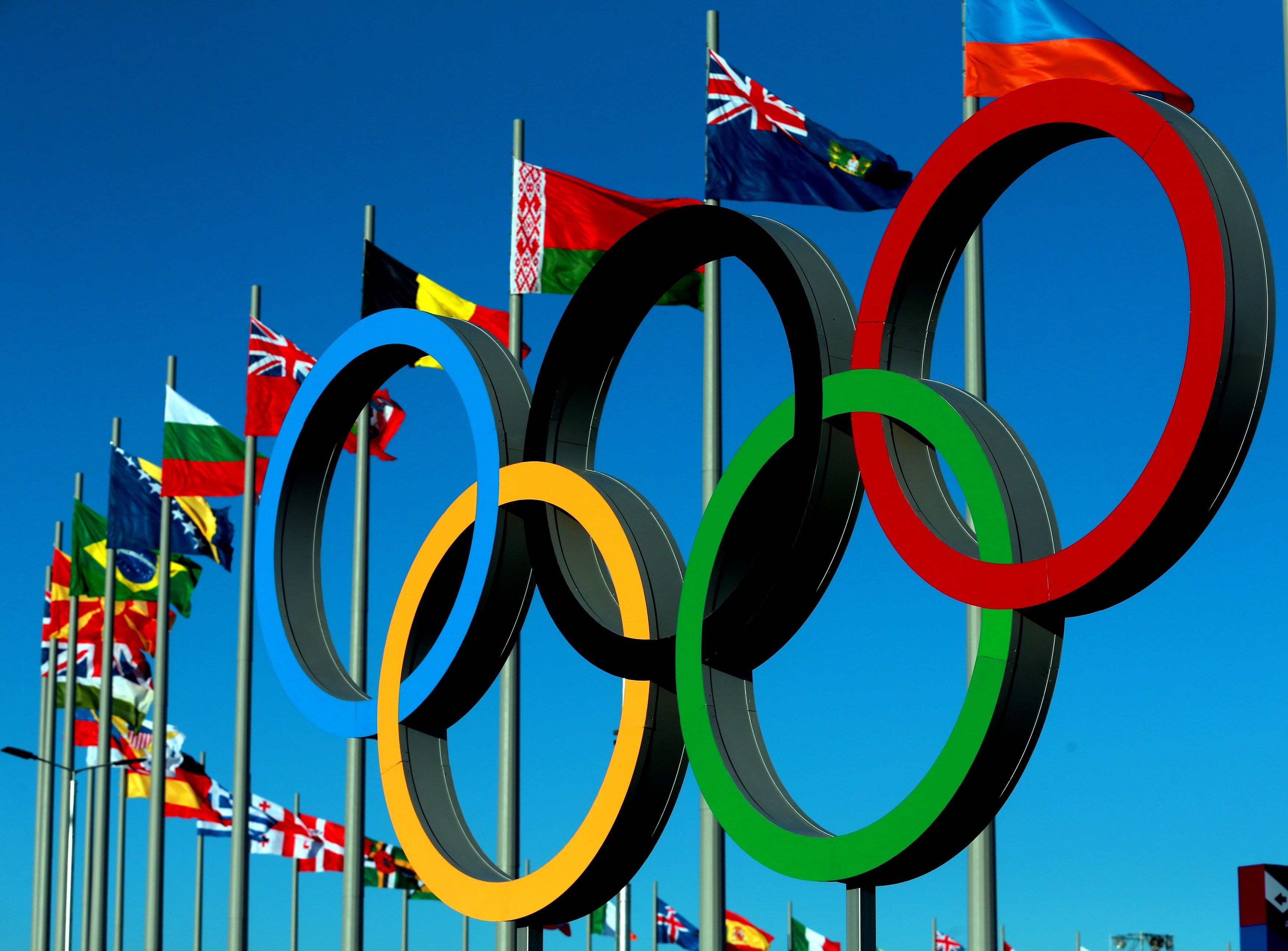
(The Olympic Rings from 2014 Olympic. Photo credit: David Davies/PA Wire.)

As I watched the athletes parading via a variety of boats down the Seine River during the opening ceremonies of the 2024 Olympics in Paris, I was thinking about the history and origin of the games, and reflecting on the many passages in the bible that utilize athletic metaphors to describe the values and priorities of life.

This week as the world watches the excitement and drama of the Olympic Games unfold, it’s a good time to explore how these ancient competitions inspired one of the Bible’s most influential figures. The Apostle Paul, a missionary and evangelist known for his passionate letters and profound theological insights, frequently used the imagery of the ancient games to illustrate spiritual truths. These metaphors resonate across the ages, reminding us to approach our faith with the same determination and discipline as Olympic athletes.

Although what we know as the modern Olympic games started almost two centuries after the ministry of Paul, he would have been acquainted with the ancient games played in Olympia, Athens, and other cities across Greece. Since Paul spent considerable time in Corinth, he may have attended the Isthmian Games that were held there every two years in the spring. The early games included footraces, chariot races, wrestling, boxing, discus throwing, javelin throwing, long jump, poetry reading, and singing.

His acquaintance with these events certainly influenced Paul’s own sense of discipline and determination. Here are 7 examples of scriptures where Paul, and perhaps others, drew upon the rich symbolism of the games to convey his message:

1. 1 Corinthians 9:24-25: “Do you not know that in a race all the runners run, but only one gets the prize? Run in such a way as to get the prize. Everyone who competes in the games goes into strict training. They do it to get a crown that will not last, but we do it to get a crown that will last forever.” Paul compares the Christian life to a race, urging believers to run with the goal of winning at the things that matter most. Just as athletes undergo rigorous training for a temporary crown, we are called to dedicate ourselves to causes that make an everlasting impact.

2. 1 Corinthians 9:26-27: “Therefore I do not run like someone running aimlessly; I do not fight like a boxer beating the air. No, I strike a blow to my body and make it my slave so that after I have preached to others, I myself will not be disqualified for the prize.” In these verses, Paul emphasizes purposeful and disciplined living. Like a focused runner or a precise boxer, our efforts in faith must be intentional and controlled, ensuring we remain steadfast and true to our calling.

3. Philippians 3:13-14: “Brothers and sisters, I do not consider myself yet to have taken hold of it. But one thing I do: Forgetting what is behind and straining toward what is ahead, I press on toward the goal to win the prize for which God has called me heavenward in Christ Jesus.” Paul encourages us to forget past failures and focus on the future, pressing forward with determination toward the ultimate prize of God’s call to a covenant lifestyle.

4. 2 Timothy 2:5: “Similarly, anyone who competes as an athlete does not receive the victor’s crown except by competing according to the rules.” Here, Paul reminds us that just as athletes must compete according to the rules to win, we too must live our lives according to God’s moral and spiritual guidance to receive the ultimate reward.

5. 2 Timothy 4:7-8: “I have fought the good fight, I have finished the race, I have kept the faith. Now there is in store for me the crown of righteousness, which the Lord, the righteous Judge, will award to me on that day—and not only to me, but also to all who have longed for his appearing.” In his final letter, Paul reflects on his life using the imagery of a race well-run and a fight well-fought, confident in the reward awaiting him. This serves as an encouragement for us to persevere in our faith and finish strong.

6. Galatians 5:7 “You were running a good race. Who cut in on you to keep you from obeying the truth?” Paul uses the metaphor of a race to address the Galatians’ deviation from the truth, urging them to remain steadfast and not be hindered by false teachings.

7. Hebrews 12:1-2: “Therefore, since we are surrounded by such a great cloud of witnesses, let us throw off everything that hinders and the sin that so easily entangles. And let us run with perseverance the race marked out for us, fixing our eyes on Jesus, the pioneer and perfecter of faith.” Though the authorship of Hebrews is debated, this passage aligns with Paul’s athletic imagery, encouraging believers to run their race with perseverance and focus on Jesus.

World champion figure skater Kristi Yamaguchi, who won the gold at the 1992 Olympics, contends “Focus, discipline, hard work, goal setting and, of course, the thrill of finally achieving your goals. These are all lessons in life.”

As we cheer for our favorite athletes this Olympic season, may we be inspired to run our spiritual race with the same dedication and zeal. Let us strive for excellence by living with a Jesus worldview and keeping our eyes fixed on the One who is the ultimate victor.

(Barry Howard serves as the pastor of the Church at Wieuca in north Atlanta. He also serves as a leadership coach and columnist with the Center for Healthy Churches. You can follow him on social media at @BarrysNotes.)

7 Things We Enjoy About the Olympics

As the 2024 Olympics are set to begin in Paris this weekend, we find ourselves excited about the many upcoming moments that bring us joy and inspiration. The Olympics are not just about competition; they are a celebration of the human spirit, unity, and the diverse cultures that make up our world.

John Towner Williams emphasized, “The Olympics are a wonderful metaphor for world cooperation, the kind of international competition that’s wholesome and healthy, an interplay between countries that represents the best in all of us.”

Although I have not had the opportunity to attend the Olympics in person, my wife and I have been fortunate to visit multiple Olympic host cities just before or after the games, including Knoxville, Atlanta, Salt Lake City, Beijing, and Vancouver. And every two years I look forward to watching the games on TV.

Why are the Olympics so captivating? And why do we enjoy watching the ceremonies, the games, and the commercials? Here are seven things we particularly enjoy about the Olympics:

  1. Watching the opening and closing ceremonies. The Opening and Closing Ceremonies of the Olympics are spectacular displays of color, culture, and creativity. They set the tone for the entire event and provide a beautiful showcase of the host nation’s history, traditions, and aspirations. From the breathtaking choreography to the grand parade of nations, these ceremonies are a festive celebration of global unity, reminding us of the vast diversity of humankind.

  2. Observing the variety of different sports. The Olympics offer an incredible array of sports, some of which we may only get to see every four years. From the grace of gymnastics to the speed of track and field, the precision of archery to the endurance of marathon swimming, there’s something for everyone. This variety not only keeps us entertained but also broadens our appreciation for different disciplines and the dedication they require, mirroring the multitude of human gifts and talents.

  3. Seeing inspiring displays of sportsmanship. One of the most heartwarming aspects of the Olympics is witnessing the incredible sportsmanship between athletes. Whether it’s a helping hand after a fall, a congratulatory hug at the finish line, or a shared moment of respect and admiration, these acts remind us of the true spirit of the Games. Such gestures often transcend national and personal rivalries, inspiring us to be better in our everyday interactions, reflecting the love and respect that Jesus taught us.

  4. Rooting for the underdog. The Olympics are filled with stories of unlikely heroes and surprising victories. We love rooting for the underdog, those athletes who may not have the backing of powerhouse nations but possess an indomitable spirit and determination. Their triumphs against the odds remind us of the story of David and Goliath, and they show us that with faith and perseverance, anything is possible. These stories encourage us to pursue our dreams, no matter how big they are.

  5. Hearing the national anthems of many nations. There’s something profoundly moving about hearing the national anthems of different countries played as athletes stand on the podium. These moments symbolize the pride of nations and the culmination of years of hard work and sacrifice. Each anthem tells a story of cultural identity and national pride, creating a tapestry of global harmony. These anthems, played against the backdrop of the Olympic flag, remind us of our shared humanity and the beauty of our complex world.

  6. Hearing the biographies and behind-the-scenes stories of the athletes. Learning about the athletes’ backgrounds, their struggles, and their journeys to the Olympics is always inspiring. These biographical features provide insight into the dedication, perseverance, and faith that drive these individuals to achieve greatness. Their stories often remind us of our own personal journeys and the importance of resilience, faith, and community support in overcoming life’s challenges.

  7. Learning more about the host city. The Olympics also provide an opportunity to learn more about the host city and its culture. Through various features and news articles, we get to explore the history, landmarks, and traditions of the city, gaining a deeper appreciation for its unique contributions to the world. This cultural exchange enriches our understanding and fosters a sense of global fellowship, reflecting the civility and diversity that is central to peaceful and productive cooperation and collaboration.

Former Olympian Wilma Rudolph reminds us, “Never underestimate the power of dreams and the influence of the human spirit. We are all the same in this notion: The potential for greatness lives within each of us.”

As we gather to watch the Olympics, let us celebrate these moments that bring us joy, inspiration, and a sense of global community. May we recommit to live by the values of sportsmanship, perseverance, and unity that are embedded in the heart of the Olympics, in the soul of our nation, and at the core of our faith.

(Barry Howard serves as pastor of the Church at Wieuca in North Atlanta. He also serves as a leadership coach and columnist with the Center for Healthy Churches. You can follow him on social media at @BarrysNotes.)

A Pastor’s Prayer for Our Nation- July 14, 2024

(This pastoral prayer was offered in worship at the Church at Wieuca on Sunday July 14, 2024, the day following the attempted assassination of our former president.)

O God of truth, compassion, and eternal justice, we approach your throne of grace today with heavy hearts, seeking comfort and strength in the wake of the recent shooting that has rattled our nation.

We lift up to you our former president and pray for his quick and thorough recovery, and for his physical and spiritual wellness. And we pray for all those affected by the recent assassination attempt. Administer your healing touch to those who were injured and your comfort to those who lost loved ones, and surround them with your peace that surpasses all understanding.

Lord, in this time of shock and uncertainty, we ask for your divine guidance and protection for our nation. Guard us from further atrocities and unite us in solidarity and compassion. Give wisdom and discernment to national and local leaders as they navigate this crisis and strive to ensure safety and security for all who gather in public spaces.

As we attempt to apply your words to life and to live by faith as we hold to your promise of a better future, we confess that our anger and grief from this event are not nearly resolved, and that a sense of despair and deep concern incubates deep within us.

Rather than being consumed by our grief, controlled by our fears, and riddled by our anxieties, help us set our minds to addressing the injustice and disunity that precipitates hate and hostility. Let us direct our souls to living out our faith in our actions and attitudes, and let us turn our minds to addressing issues rather than attacking people, not with partisanship and fear, but with a responsible and courageous exercise of freedom.

O God we confess our ongoing need of your life-changing and culture-shaping grace. Strengthen our resolve, O God, to stand firm against fear and division, and empower us to work together towards a future of peace and harmony.

Lord, we affirm our trust in your unfailing love and mercy. Guide us through these troubled times with your mighty hand. May your grace abound in us and may the light of your love shine through us.

Above all, teach us to love one another again. And though it swims against the current of our deepest instincts, enable us to love those who think differently than we do, even those who may be considered our adversaries.

Although we have many perspectives, truly make us one nation under God, indivisible, with liberty and justice for all. We offer our prayer in the name of the One who aims to unite us all in faith, hope, and love.  Amen

(Barry Howard serves as the pastor of the Church at Wieuca in North Atlanta. He also serves as a leadership coach and columnist with the Center for Healthy Churches. You can follow him on social media at @BarrysNotes.)

7 Reasons to Respect and Protect Religious Liberty

The First Amendment to the Constitution of the United States confirms that Congress shall make no law respecting an establishment of religion, or prohibiting the free exercise thereof; or abridging the freedom of speech, or of the press; or the right of the people peaceably to assemble, and to petition the Government for a redress of grievances.”

As the primary author of the First Amendment, James Madison argued, “The religion then of every man must be left to the conviction and conscience of every man; and it is the right of every man to exercise it as these may dictate.”

Religious liberty, the freedom to practice one’s faith without intimidation or persecution, is a cornerstone of democratic societies around the world. Our Baptist ancestors were among the many who contended for this liberty for persons of all faiths or no faith.

Religious freedom stands as a beacon of individual and collective rights, fostering diversity, tolerance, and the flourishing of vibrant communities. Here are 7 reasons why I believe we should celebrate and preserve religious liberty:

  • Ensures freedom of worship. Religious liberty guarantees the freedom to practice one’s faith openly, both individually and collectively. It encompasses the freedom to worship, assemble for religious purposes, and engage in religious rituals and observances. Whether it is gathering for worship services, participating in religious ceremonies, or contributing to religious organizations, individuals must have the freedom to express their faith in a manner consistent with their beliefs. This liberty is essential for the spiritual well-being individually and corporately.

  • Safeguards freedom of conscience. Religious liberty protects freedom of conscience, recognizing that true faith is a matter of sincere conviction. One of our historic Baptist principles involves “the soul competency of the individual.” Religious liberty makes certain that individuals are free to explore, question, and embrace their spiritual beliefs without fear of retribution or societal pressure. This freedom of conscience extends beyond religious beliefs to include moral and ethical convictions

  • Welcomes diversity. Religious liberty celebrates the richness of human diversity and supports the coexistence of various faith traditions. It creates an environment where individuals can freely express their religious convictions, contributing to a vibrant tapestry of cultural and spiritual heritage. Diversity enriches communities by fostering mutual respect, understanding, and social cohesion.
  • Protects against persecution and discrimination. Religious liberty serves as a safeguard against discrimination, ensuring that no individual or group faces prejudice based on their religious beliefs. It upholds the principle of equal treatment under the law, promoting a just and inclusive society. Thomas Paine cautioned, “Persecution is not an original feature in any religion; but it is always the strongly marked feature of all religions established by law. By protecting against discrimination, religious liberty fosters social justice and equality for all.”

  • Advances social justice. Religious liberty plays a vital role in promoting social justice and defending the rights of marginalized and vulnerable populations. It empowers individuals and religious organizations to advocate for justice, speak out against oppression, and provide resources to the underserved. Spiritual communities play an active role in addressing social issues, including poverty, inequality, and human rights abuses. By protecting religious liberty, we empower individuals and religious organizations to fulfill their calling to serve and work for the common good.

  • Inspires moral and ethical living. Religious liberty provides individuals with the freedom to follow moral and ethical frameworks guided by their faith. For example, teachings like those of Jesus shape personal conduct, inspire acts of kindness, and promote values such as justice, forgiveness, and love. By allowing individuals to live out their values, religious liberty encourages the development of a cohesive and compassionate society.

  • Safeguards against extremism: History is filled with instances of religious wars and conflicts that led to division and violence. Religious liberty acts as a safeguard against extremism and radicalization. When individuals are free to practice their faith peacefully, they are less likely to resort to violence in the name of religion. Religious liberty and robust interfaith dialogue promote understanding and unity, countering the forces of contempt and hatred.

Baptists have historically championed religious freedom for all religious groups, believing that if one group loses religious freedom, we will all lose our religious freedom. George Truett emphasized, Baptists have one consistent record concerning liberty throughout all their long and eventful history. They have never been a party to oppression of conscience. They have forever been the unwavering champions of liberty, both religious and civil.”

As we champion religious liberty, we affirm the importance of respecting and protecting the rights of every individual to practice their faith freely, contributing to a more inclusive, compassionate, and harmonious world.

As citizens of these United States, we enjoy more comprehensive freedoms than any other nation on earth. On this 4th of July week, let us remember that “with great freedom comes great responsibility.”

(Barry Howard serves as the pastor at the Church at Wieuca in North Atlanta. He also serves as a leadership coach and columnist for the Center for Healthy Churches.) Top of Form

Heal Our Divisions: A Prayer for Independence Day 2024

On this Independence Day, we thank you for the gift of freedom, for the courage of those who fought to secure it, and for the opportunity to live in “the land of the free and home of the brave.”

Lord, we remember the sacrifices made by countless individuals who laid down their lives to establish and protect our liberty. May their bravery and dedication never be forgotten, and may we honor their memory by living in ways that honor their sacrifice.

We also pray for those around the world who do not yet enjoy freedom but live under threat and in fear of harsh and unjust regimes. And we pray for those who are fighting for their freedom even now that they may be victorious.

Especially today, we pray for our nation, asking for your guidance and wisdom for our leaders. Grant them the discernment to make just and righteous decisions that uphold the values of freedom and equality for all. Inspire us as freedom-loving citizens to engage actively and responsibly in our civic duties, building a culture of mutual respect and understanding.

During this season of celebration, we are also deeply burdened. Regardless of our personal ideology or perspective, we are concerned about things like the abuse of political power, the threat of terrorism, the divisiveness of harsh and misleading rhetoric, a lack of civil discourse, a growing sense of moral anarchy, the escalation of war, and the possibility of another natural disaster. We have an elevated sense of anxiety about the leadership of our government, the stability of our economy, and the future of our world.

And we confess that these anxieties all too frequently divert us from our mission to care for the “least of these” among us and to “love mercy, act justly, and walk humbly” with you.

We ask, O God, that you bless our land with a revival of unity. Heal the divisions that separate us and let us find common ground in our shared love for this country and the freedoms it represents. May we always strive to extend these blessings to those who are oppressed and marginalized, both within our borders and beyond.

Bless this land and its people. May our actions reflect your love and grace, and may we use our freedom to serve you and others with compassion, integrity, and humility.

Because you are the freedom-loving God, lead us to exercise our freedom responsibly and to pursue “liberty and justice for all” people across our nation and around the globe.

We pray in the strong name of the One who came to make us free indeed. Amen.

Upgrading Our Election Year Conduct

In 2012, I had the privilege of spending a part of my summer sabbatical in Europe.

Just before beginning a summer term at Oxford University, I visited several historic sites from the ancient Roman Empire trying to brush up on my knowledge of the history of Western Civilization. Just to make a full disclosure, the only “D” I made in college was in the “HY101: A History of Western Civilization.” And I’ve been trying to improve my knowledge of world history ever since.

Our group tour started in Istanbul, Turkey, continued through the Greek Isles, and culminated in Athens, Greece. We visited three of the sites of Wonders of the Ancient World: The Temple of Diana, the Colossus of Rhodes, and the Mausoleum.

We saw monuments and statues with tributes to the provincial governors and one of the many Caesars. After dinner each evening, I would try to catch up on the news of the day by watching BBC or reading an online paper from the U.S.

Reading about Caesar by day and the upcoming U.S. election by night, the simple but daunting reality dawned upon me: citizens in the ancient Roman world had no voice in choosing their governmental leaders, but the U.S. does, and that is still a rare and treasured privilege, even in today’s world.

Only a small percentage of the world’s population has ever had a voice in choosing government officials. Even today when more nations than ever enjoy some form of democracy, only a fraction of the world’s citizens have any say in choosing their elected leaders.

How would life have been different if citizens in the ancient Roman Empire had been allowed to vote on their government leaders?

In a crucial election year, characterized by inflammatory rhetoric and partisan polarities, it’s important to remember that choosing leaders by “voting your conscience and conviction” is a privilege and a responsibility.

I returned home from my summer travels that year with a greater awareness of my national and spiritual heritage, and a greater appreciation for our many freedoms. 

However, as a pastor and as a citizen of these United States, this year I am weary of partisan propaganda-driven politics by both major parties. I am disturbed by the rumormongering, name-calling, and conspiracy theories that are “shared” via social media, blogs, and emails. 

And I am bothered that many in the name of faith are attacking the personal character and the religion of candidates they have never met, all the while avoiding serious dialogue about the most pressing issues of our day.

Maybe more of our time and conversation should be aimed at developing constructive and rational strategies for addressing our national and global challenges.

As the election approaches, here are four ways we can exercise responsible citizenship in times like these, regardless of our party affiliation or religious conviction:

  • Do your homework. Research the candidates and amendments. Do the hard work of wading through the propaganda. Don’t let anyone else tell you how to vote…not your mother, not your father, not your favorite superstar, and certainly not your preacher.

  • Practice civil discourse. Elections are a time to speak your conscience, vote your conviction, and engage in civil discourse. Evaluating and critiquing the issues is much harder work than assailing and attacking a candidate. Dialogue with trusted friends about the pros and cons of a candidate’s track record, leadership style, and long-term vision is constructive. Spouting personal attacks is immature and childish, and it diminishes the electoral process.

  • Vote for your preferred candidate.  Discern and determine which candidate best represents your values and your vision, and then cast your ballot. Do not be deterred or dissuaded by polls that talk about which candidate is leading on a given day. The election is not complete until your vote is cast. Realize that neither candidate is the ideal choice, and that each candidate’s position has strengths and weaknesses. Running for public office is demanding and exhausting. Be grateful for those who are willing to run, even those with whom you disagree. It is difficult for those of us who have never campaigned to identify with the personal toll that is exacted on a candidate and his or her family.

  • Pray for whoever is elected. On the morning after the election, someone will win and someone will lose. As a person who is learning to walk by faith, I am convinced that we need to pray for whoever is elected, whether they are my candidate of choice or not.  In a partisan culture, I find it troubling that often the losing party declares that their mission is to defeat the elected candidate by subverting all attempts at his or her successful leadership. After all, the person who is elected will soon discover that the job requires more than a campaign slogan. I find the words from I Timothy 2:1-3 to be relevant to the way we respond to our elected leadership: I urge, then, first of all, that requests, prayers, intercession and thanksgiving be made for everyone— for kings and all those in authority, that we may live peaceful and quiet lives in all godliness and holiness. 3This is good, and pleases God our Savior.

Yes, we do live in uniquely perilous times. However, the major dilemmas our country faces were not created by leaders of one party but by both. The resolution and resolve to correct our course will not be provided by one party or one leader, but by courageous, visionary leaders and responsible citizens from across all party lines.

The upcoming election is important but the election itself will not repair the state of the union, no matter which candidate is chosen. 

The Bible does not say, “If my people who are called by my name shall elect the right candidate, I will heal their land.” 

The Bible does say rather emphatically, “If my people, who are called by my name, will humble themselves and pray and seek my face and turn from their wicked ways, then will I hear from heaven and will forgive their sin and will heal their land.” (II Chronicles 7:14)

And the Bible does not say, “Be kind to one another” (Ephesians 4:32) except during an election year.

The Bible does teach us to “encourage one another and build one another up” (I Thessalonians 5:11.

If as followers of Jesus we began heeding these powerful words, and if we upgrade our election year conduct, we could ignite a bi-partisan movement in our country that makes our nation stronger, and our lives a lot less stressful.

(Note: A previous version of this article was published in 2022.)

(Barry Howard serves as the pastor of the Church at Wieuca in North Atlanta. He also serves as a leadership coach and columnist for the Center for Healthy Churches