Where Is God When the Bad Stuff Happens?

Where is God when bad things happen?

Across the ages, this question has perplexed and haunted those weighed down by grief, suffering, and pain. Theologians and philosophers have wrestled with scripture and reason in search of understanding. Pastors and counselors still search for words that offer hope to hearts broken by tragedy.

The Bible doesn’t sugarcoat the harshness of life. In Psalm 13:1–2, the psalmist gives voice to what it feels like to be forsaken in moments of anguish:

How long, Lord? Will you forget me forever?
How long will you hide your face from me?
How long must I wrestle with my thoughts
and day after day have sorrow in my heart?
How long will my enemy triumph over me?

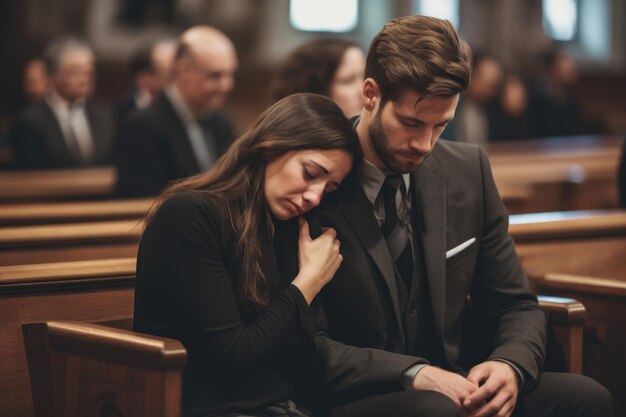
Chaos wears many faces. A hurricane flattens homes and lives. An earthquake strikes without warning. A disease creeps in uninvited. A drunk driver kills an innocent teenager. And every time, the question echoes again: Where is God in this?

Some respond with platitudes. But trite clichés often feel hollow—or even offensive—to those walking through the valley of sorrow. Answering this question too casually can seem dismissive. But ignoring it would leave too many stranded in silence.

So I won’t pretend to offer a one-size-fits-all answer. Instead, I’ll share what I’ve come to believe—hoping that even a flicker of light might help someone see more clearly in a dark place.

1. Life is not fair.

I used to believe that if I prayed, obeyed, and lived faithfully, God would shield me from life’s storms. But life doesn’t follow that formula. God is good, yes—but God never promised that life would be fair. Life is hard. And faith isn’t an escape hatch—it’s an anchor.

As beloved author Frederick Buechner suggested, “Here is the world. Beautiful and terrible things will happen. Don’t be afraid.”

Faith helps us face the beautiful and the terrible with courage.

2. Suffering does not discriminate.

No one is immune. Tornadoes don’t skip homes based on church attendance. Illness doesn’t scan for spiritual résumés. We live in a world still scarred by sin, and its consequences touch the just and the unjust alike. Faith doesn’t exempt us—it equips us.

3. God is present in the chaos.

God does not orchestrate suffering as punishment or test. God is not the author of chaos, but the Redeemer within it. The Holy Spirit—God’s presence—lives within us to comfort, convict, and guide. God also shows up through the Church—when we bring love, healing, and hope to others.

Holocaust survivor and psychiatrist Viktor Frankl observed, “When we are no longer able to change a situation, we are challenged to change ourselves.”

Faith doesn’t always change our circumstances—but it transforms our response.

4. God invites us to walk by faith, not by sight.

Why do bad things happen to good people? Why are some healed and others not? Why did Jesus raise Lazarus, but not everyone? Maybe those moments of healing are glimpses—previews—of what God will one day do fully and finally. Even Lazarus died again. Earthly healing is temporary. Eternal hope is permanent.

I still believe in prayer. I believe in hope, medicine, community, and grace. But there are no formulas—only an invitation to walk by faith with courage and perseverance.

5. God is at work, but not always in ways we can see or evaluate.

Romans 8:28 assures us, “In all things God works for the good of those who love him.”

God doesn’t cause all things—but God works within all things. Often, God works through us. We are Christ’s hands and feet in a hurting world. When we show up with compassion, we reflect the God who never leaves us.

So, where is God when the bad stuff happens?

God is present. Not with easy answers or magical fixes—but with sustaining grace, resilient hope, and a faithful presence that never lets go.

Especially in the seasons when I wrestle with the unknowns, I hold to the promise that God is here. And even the smallest glimpse of God’s presence encourages me to keep pressing on.

(Barry Howard is a retired minister who currently serves as a leadership coach and consultant with the Center for Healthy Churches. He and his wife reside on Cove Lake in northeast Alabama.)

(This column is taken from a message I shared at FBC Pensacola after the community experienced multiple hurricanes, a catastrophic oil spill, and more than a few unexpected deaths.)


Memorial Day: 5 Reasons Why Remembering Is Important

Memorial Day is more than a three-day weekend or the unofficial start of summer. It’s a sacred invitation to pause, reflect, and remember. In a culture that moves at the speed of a scrolling screen, practicing the discipline of remembering has become both countercultural and essential.

This day, set aside to honor those who have given their lives in service to our country, invites us into something deeper than nostalgia. It calls us to gratitude and beckons us to learn from the past.

When we fail to remember the sacrifices of those who came before us, we succumb to a convenient amnesia that gradually robs us of the freedoms we cherish. To fail to remember creates a contagious apathy that leads to a neglect of both our responsibility and our citizenship. To fail to remember can produce a false sense of security and an inaccurate perception that we are exempt from dictatorship and autocracy. If for no other reason, we should remember in order to guard against what George Washington called “the impostures of pretended patriotism.”

As we observe Memorial Day, here are five reflections about the importance of remembering:

  • Remembering is a sacred act. Throughout Scripture, God’s people are called to remember. “Remember the wonders He has done,” the psalmist writes (Psalm 105:5). Jesus, at the Last Supper, told his disciples, “Do this in remembrance of me.” Remembering anchors us. It shapes our identity. It gives context to our present and guidance for our future.

  • Remembering reminds us our freedom was not free. The liberties we enjoy come at a cost. Franklin D. Roosevelt cautioned, “Those who have long enjoyed such privileges as we enjoy forget in time that men have died to win them.”  Memorial Day reminds us that peace is preserved by those willing to risk—and sometimes give—their lives. Honoring the fallen should stir in us a sense of responsibility to live in a way that upholds the values they died defending.
  • Remembering evokes both grief and gratitude. For many, Memorial Day carries deep personal loss. It’s not just a day of flags and flowers—it’s a day when grief resurfaces. And yet, gratitude finds space there too. As one veteran said, “We don’t remember them because they died. We remember them because they lived.” Their stories of courage and selflessness inspire us to live with more purpose and compassion.
  • Remembering can shape us for the better. When we take the time to remember, we grow in empathy. We honor courage. We rediscover our shared humanity. And we are reminded that our freedom, our peace, and our way of life are built on the backs of those who stood in harm’s way for the sake of others. We are also inspired to protect and preserve freedom for those who come after us.
  • Remembering prompts us to pass the memories along to the next generation. Ronald Reagan cautioned, “Freedom is never more than one generation away from extinction. It must be fought for, protected, and handed on for them to do the same.” Our children and grandchildren won’t understand the meaning of Memorial Day unless we tell the stories. Visit a veterans’ cemetery, attend a memorial service, or share the history of someone in your family or community who served. Let them see remembrance in action.

This Memorial Day, let us do more than enjoy a day off. Let us pause. Let us give thanks. Let us reflect on the cost of the liberties we enjoy. Let us teach our children the stories of valor and sacrifice. And let us recommit ourselves to building a world worthy of the lives that were given.

John F. Kennedy insisted, “As we express our gratitude, we must never forget that the highest appreciation is not to utter words, but to live by them.”

Kennedy’s words seem even more relevant today. It’s not enough to say thank you—we must live in a way that honors the gift. Memorial Day challenges us to turn remembrance into action: by serving others, standing up for justice, and living with integrity.

(Barry Howard is a retired pastor who currently serves as a leadership coach and consultant with the Center for Healthy Churches. He and his wife reside on Cove Lake in northeast Alabama.)

Where There’s a Will, There’s a Way: 7 Reasons You Need an Estate Plan

We often hear the phrase “Where there’s a will, there’s a way,” as a rallying cry for perseverance. But when it comes to your estate, that phrase takes on a more literal—and vitally important—meaning. Without a will or estate plan, your family and assets can be left in limbo, regardless of your age, income, or family situation.

A few days ago, my wife and I met with our attorney to update our estate plan. Although we have had a will for many years, now that we have retired, we needed to amend a few provisions, revise some of the contact information, and update our bequests.

Throughout my years serving as pastor, I was shocked at the number of church members who had no will, and many who thought they didn’t need one. I remember one individual who told me, “Our kids will just divvy it up when we’re gone.” That person was naïve about the probate process and unaware of the costs, monetarily and emotionally, of “divvying it up.”

I started planning workshops at the church, facilitated by attorneys and CPAs, to educate the congregation about wills, estate plans, and advance directives. I also began including a brief discussion about wills in my pre-marriage counseling sessions.

Alan Lakein contends, “Planning is bringing the future into the present so that you can do something about it now.”

Estate planning isn’t just for the wealthy or elderly. It’s a gift to your family, a part of the spiritual discipline of stewardship, and a wise decision at any stage of life. Here are seven compelling reasons to begin or update your estate plan:

1. It is good stewardship.

As people of faith and principle, we are called to manage well what has been entrusted to us. Creating an estate plan is a practical way to manage your resources with wisdom and intention, ensuring that your legacy reflects your values and priorities.

2. It provides clarity about your final wishes.

From how your assets should be distributed to your desires for end-of-life care or funeral arrangements, your estate plan provides clear direction. Without it, your family is left to guess—and sometimes disagree—about what you would have wanted.

3. It helps avoid family conflict.

Even the most harmonious families can experience stress and tension when a loved one dies without a will. A well-crafted estate plan can help prevent misunderstandings and disputes by making your wishes unmistakably clear.

4. It protects minor children.

If you have children under the age of 18, your estate plan allows you to name a guardian—someone you trust to care for them if the unthinkable happens. Without a will, the courts make that decision without your input.

5. It facilitates a timely probate process and avoids unnecessary legal entanglements.

Proper planning streamlines the legal process, reduces delays, and minimizes costs associated with probate. An estate plan can help your loved ones navigate a difficult time with less bureaucracy and stress. Shez Christopher wittily points out, “If you do not have a Will or plan for your estate, then the government has one for you.” 

6. It makes you better prepared for unexpected events or catastrophic illness.

Estate plans often include advance directives and powers of attorney, ensuring that someone you trust can make financial or medical decisions on your behalf if you’re ever incapacitated. Richard Cushing advises, “Always plan ahead. It wasn’t raining when Noah built the ark.”

7. It creates a path for your assets to continue to bless others after you are gone.

Whether it’s providing for your family, supporting your church, or giving to a cause you care about, your estate plan becomes a channel for generosity—allowing your life to have a lasting impact.

David Angway, a Wealth Advisor and Trust Estate Planner, summarizes it this way: “Planning your estate ensures that your family’s future is secure and harmonious after you’re gone. Properly organizing the distribution of your property prevents conflicts and misunderstandings, fostering respect and unity among your loved ones.”

Don’t procrastinate! And don’t wait for a crisis to start the conversation. Begin today. Where there’s a will, there’s not just a way forward for your family—but a legacy that honors your life, your faith, and your values.

(Barry Howard is a retired pastor who currently serves as a leadership coach and consultant with the Center for Healthy Churches. He and his wife reside on Cove Lake in northeast Alabama.)

Life Is Short: 7 Reasons to Receive Each Day As a Gift

The famous evangelist Billy Graham confessed, “The greatest surprise in life to me is the brevity of life.”

We’ve all heard the phrase, “Life is short.” It’s often said in passing—when we lose someone too soon, when a moment takes our breath away, or when we’re reminded how fast the years fly by. But what if we took that phrase to heart? What if we allowed it to shape the way we think, speak, love, serve, and live?

Here are seven reasons to live each day as a sacred and fleeting gift:

1. Time is a non-renewable resource.

Unlike money, time cannot be earned back or saved up. Every sunrise is a once-in-a-lifetime event. Each conversation, each quiet moment, each new opportunity is here now—and may never come again.

2. Today presents opportunities to grow.

Each day brings lessons, challenges, and opportunities for growth. We’re not the same people we were yesterday. Receive today as a gradual and progressive step forward in your becoming—a place where faith can deepen and character can stretch.

3. Lighten the load someone else is carrying.

When we live with compassion and kindness, we become part of someone else’s healing. A smile, a kind gesture, or an encouraging word may seem ordinary to you but can be life-giving to someone else. Phillips Brooks urged, “Be patient and understanding. Life is too short to be vengeful or malicious.”

4. Joy is often hidden in the present moment.

When we stop chasing “someday” and start noticing “today,” we discover beauty in the now. The warmth of coffee, the sound of laughter, the beauty of a landscape, the encouragement of a friend—these are the moments that quietly nourish the soul.

5. Gratitude changes our perspective.

When we live with the mindset that each day is a gift, we begin to see more gifts in our days. Gratitude doesn’t change our circumstances—it transforms our perspective. And that shift is powerful.

6. Regret is too heavy to lug around.

The weight of “I wish I had…” can be heavy. But when we live intentionally—speaking our hearts, showing up for others, and taking courageous steps—we reduce the space for regret and make room for peace.

7. Today is the only day you are promised.

Yesterday is gone. Tomorrow isn’t guaranteed. All we truly have is today—this moment, this breath, this chance. Don’t wait for all the stars to align in your favor to start living fully. Begin now.

Annie Dillard reminds us, “How we spend our days is, of course, how we spend our lives.”

Life is short—a sacred breath between dust and eternity. So love deeply, forgive freely, walk humbly, and live each day as a precious gift not to be wasted.

Let’s not just say life is short—let’s embrace today and live life to the fullest.

Come Monday: Finding Community in a Culture of Loneliness

“Come Monday, it’ll be all right/Come Monday, I’ll be holding you tight…” 

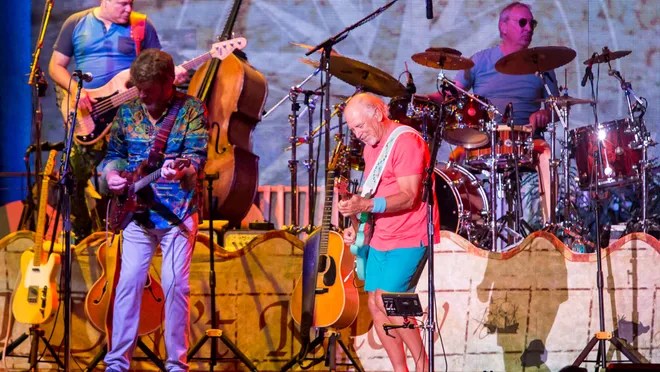
Those lyrics from Jimmy Buffett’s wistful ballad echo with a hope many of us carry. The song speaks of longing and loneliness, of waiting for that moment when things feel okay again—when presence replaces absence, and connection returns.

Believe it or not, Scripture echoes similar feelings. In Psalm 25:16, David writes,“Turn to me and be gracious to me, for I am lonely and afflicted.”

The mighty warrior and beloved leader knew what loneliness felt like. And he had the courage to say it out loud.

Mother Teresa insisted, “The most terrible poverty is loneliness, and the feeling of being unloved.”

In the spring of 2023, U.S. surgeon general Vivek Murthy placed a spotlight on America’s problem with loneliness when he declared the issue an epidemic.

In a recent Harvard study, 21% of those surveyed indicated they had serious feelings of loneliness.

Loneliness affects all ages. The Harvard study indicated widespread loneliness, especially among younger adults:

  • People between 30-44 years of age were the loneliest group — 29% of people in this age range said they were “frequently” or “always” lonely
  • Among 18–29-year-olds — the rate was 24%
  • For 45–64-year-olds, the rate was 20%
  • Adults aged 65 and older reported the lowest rate: 10% felt lonely

Loneliness Is Real—Even in a Crowded World

We live in a hyper-connected culture. Our phones buzz with messages, notifications, and endless content. But despite the noise, many people quietly struggle with a deep sense of disconnection.

You don’t have to be alone to feel lonely. It’s not about how many people are around you. It’s about whether anyone really sees you, knows you, or understands what you’re going through.

Loneliness can come in many forms: grief, life transitions, emotional exhaustion, or even just the slow drift away from relationships that once felt close. And it’s something that affects all ages, backgrounds, and life stages.

God Meets Us in Our Loneliness

When David cried out to God in Psalm 25, he wasn’t looking for a quick fix—he was seeking a Presence that could hold the weight of his heart.

“Relieve the troubles of my heart and free me from my anguish.” (v. 17)

In our loneliest moments, God doesn’t pull away. God draws near. The Bible reminds us again and again that the Lord is close to the brokenhearted (Psalm 34:18), that God is a refuge for the weary, and that God’s companionship is steady—even when human company isn’t.

And here’s the beautiful irony: naming our loneliness is often the first step toward overcoming it. David didn’t pretend. He openly sought God’s comfort and grace for his troubled spirit and his feelings of aloneness.

We Were Made for Connection

While God is with us in solitude, God also created us for community. From the very beginning, God said, “It is not good for man to be alone.” (Genesis 2:18)

That’s not just about marriage or friendship—it’s about belonging. And that’s what the Church is called to be: a place of welcome, honesty, and presence.

The early church wasn’t built on flashy programs or fancy buildings. It was built on people sharing life—breaking bread, praying, carrying one another’s burdens (Galatians 6:2). And that’s still the vision today.

So here’s the question: Are we building that kind of community in our churches, small groups, neighborhoods, and homes? Are we noticing the ones who might be quietly hurting?

Sometimes healing starts with a text. A coffee. A simple, “Hey, how are you—really?”

Serve Others. That’s a Great Place to Discover Community.

It might sound counterintuitive, but one of the most powerful ways to overcome loneliness is to look outward. When we serve others—when we step into someone else’s world—we often find healing for our own hearts.

Volunteering. Showing up for someone. Encouraging a neighbor. These small acts become lifelines, not just for them, but for us. They remind us that we’re still part of something bigger than ourselves.

In serving, we move from feeling invisible to feeling useful. We rediscover joy. And we start to experience what David prayed for—freedom from anguish, connection to something real, and hope for the days ahead.

“Come Monday, it’ll be all right,” Buffett sang. David, too, clung to hope in his song:

“My hope, Lord, is in you.” (Psalm 25:21)

Loneliness may visit, but it doesn’t have to stay. Community, companionships, and collegiality are blessings that have to be cultivated and nurtured.

Albert Einstein once said, “Although I am a typical loner in my daily life, my awareness of belonging to the invisible community of those who strive for truth, beauty, and justice has prevented me from feelings of isolation.”

What if we could help others find that same invisible community—and make it visible?

We can’t solve loneliness overnight. But we can foster healthy connections. We can be a friend to others. We can ask for help when needed. We can build a spirit of community. And we can nurture and grow in our relationship with God.

(This is an updated version of a sermon presented at the First Baptist Church of Pensacola in 2007 during our spring series “Changes in Latitude.”)

“My Head Hurts, My Feet Stink, and I Don’t Love Jesus”

One of Jimmy Buffett’s more unusual song titles has always struck me as confessional:“ My Head Hurts, My Feet Stink, and I Really Don’t Love Jesus.”

At first glance, that may feel jarring—even offensive. But sometimes, brutal honesty says what softer words can’t.

Long before moving to the coast of Florida, I loved the music of Jimmy Buffett. Though many of the lyrics are not Sunday morning pulpit material, I think Buffett may have given voice to something that a lot of people quietly feel: life is overwhelming, I’m exhausted, and if this is what religion is, I’m not buying it.

There’s a sobering passage in the Bible that feels strangely modern. It comes from Paul’s second letter to Timothy, chapter 3, verses 1–9 (The Message):

“Don’t be naive. There are difficult times ahead. As the end approaches, people are going to be self-absorbed, money-hungry, self-promoting, stuck-up, profane, contemptuous of parents, crude, coarse, dog-eat-dog, unbending, slanderers, impulsively wild, savage, cynical, treacherous, ruthless, bloated windbags, addicted to lust, and allergic to God. They’ll make a show of religion, but behind the scenes they’re animals. Stay clear of these people… They get exploited every time and never really learn… But nothing will come of these latest impostors. Everyone will see through them…”

Paul paints a picture of a society unraveling—where people are self-absorbed, cynical, addicted to chaos, and allergic to God. He warns of those who put on a show of religion but live like animals behind the curtain.

And then Paul says: “Stay clear of these people.”

Now that’s a hard line. But maybe it’s not about avoiding people in pain. Maybe it’s about being wise enough to walk away from shallow religion so we can offer something real.

Because here’s the truth: people are hurting. And they’re not looking for performance—they’re looking for peace.

When Your Head Hurts: Life Can Be Heavy

We live in an age of anxiety, distraction, and noise. People are overwhelmed—mentally, emotionally, and spiritually. Church clichés don’t help. Quoting verses out of context doesn’t help. What people long for is honest faith that doesn’t pretend to have all the answers but still clings to hope.

We all know someone (maybe it’s you) who’s tired of the game—tired of pretending everything’s okay. Maybe faith has become foggy. Maybe the pain has been too heavy. And in those moments, the last thing people need is shallow religion.

What they need is a Savior who doesn’t flinch at the truth.

When Your Feet Stink: The journey can be exhausting.

“Feet stink” is just a gritty way of saying: I’m worn out.
Life has been a long journey. Some people are exhausted from walking it alone—or worse, walking it while being judged by those who say they follow Jesus.

But here’s the beauty of the real gospel: Jesus doesn’t keep his distance from the dirty. He kneels. He washes feet. He welcomes the weary. And he still does.

What if the church looked more like a basin and towel, and less like a stage?

“I Really Don’t Love Jesus”: Honest confession is a good place to start.

This may be the most painful line in the song—but also the most honest. Some people don’t feel any affection for Jesus because the version they were shown was twisted, manipulative, or weaponized.

But often, when people say they don’t love Jesus, what they really mean is:
“I’ve never met the real One.”

And that’s where we come in—not to argue or defend, but to embody Christ.
To show them a Jesus who is full of grace and truth. A Jesus who welcomes doubt, heals wounds, confronts injustice, and never stops loving.

Staying Clear and Staying Compassionate

Paul’s warning to “stay clear” wasn’t about cutting off the brokenhearted. It was about stepping away from religious performance—from counterfeit faith that values appearance over authenticity.

Because in a world addicted to the fake, authenticity is the most powerful witness.

Let’s be real. Let’s be honest. Let’s be kind.

So yes—some people’s heads hurt. Some are worn out. And some aren’t sure they love Jesus at all.

But what if they haven’t been rightly introduced? What if their view has been blocked by loud religion and quiet hypocrisy?

Let’s be the ones who live with humble faith.
Let’s create space for hard questions and honest searching.
Let’s love people right where they are.

Because when someone meets the real Jesus—not the bumper-sticker version, not the political mascot, but the crucified and risen Savior—they just might find that their headache eases, their feet find rest, and their heart begins to soften.

And maybe, just maybe, they will grow to genuinely love and follow Jesus.