
Cleansed from a Guilty Conscience

A Lenten Devotional

15 The Holy Spirit also testifies to us about this. First he says: 16 This is the covenant I will make with them after that time, says the Lord. I will put my laws in their hearts, and I will write them on their minds.”
17 Then he adds: “Their sins and lawless acts I will remember no more.” 18 And where these have been forgiven, sacrifice for sin is no longer necessary.
19 Therefore, brothers and sisters, since we have confidence to enter the Most Holy Place by the blood of Jesus, 20 by a new and living way opened for us through the curtain, that is, his body, 21 and since we have a great priest over the house of God, 22 let us draw near to God with a sincere heart and with the full assurance that faith brings, having our hearts sprinkled to cleanse us from a guilty conscience and having our bodies washed with pure water. 23 Let us hold unswervingly to the hope we profess, for he who promised is faithful. 24 And let us consider how we may spur one another on toward love and good deeds, 25 not giving up meeting together, as some are in the habit of doing, but encouraging one another—and all the more as you see the Day approaching.
Hebrews 10:15-25 NIV

Three of the heaviest elements in the universe are guilt, worry, and fear. And guilt may be the weightiest of them all. Let me illustrate…

Long before mobile phones became the primary means of communication, my landline rang at 2:30 in the morning. Late-night calls usually meant either an emergency or a wrong number. Startled from my sleep, I grabbed the phone, bracing for bad news.

The voice on the other end was both frantic and familiar. It was a church member—let’s call him Tommy—apologizing for calling at such an hour but desperate for help.

I had known Tommy for years. He was a good man—a devoted husband and father—but that night, he was drowning in guilt, overwhelmed by the weight of his past mistakes. His words came in waves of anguish:

“I am undeserving of God’s grace.”
“I’m not sure that Jesus can forgive my sins.”

As a young pastor, I was relieved this wasn’t a trauma call, but I also felt the weight of Tommy’s burden. Half-awake, I silently prayed for wisdom before gently offering three thoughts:

  1. “Feeling undeserving is actually a prerequisite for receiving grace.”
  2. “I don’t know which sin is troubling you most, but if it falls under the Ten Commandments, rest assured—you are covered by Christ’s sacrifice.”
  3. “For thousands of years, God has forgiven the sins of countless people. It would be a little arrogant to assume you’re the exception.”

There was a long pause. Then, in a softened voice, Tommy said, “I’ve never thought about it that way before. I think you’re right. Even my sins can be forgiven.”

Lent is a season of reflection and repentance. As we reflect on the suffering and sacrifice of Christ, Hebrews 10 reminds us that through Jesus’ death, we are cleansed from a guilty conscience, free to draw near to God with full assurance of faith.

Like Tommy, many of us struggle with guilt, questioning whether God’s grace could truly extend to us. But the message of the cross is clear: Jesus bore the weight of every sin—past, present, and future. His sacrifice was not partial or conditional; it was complete.

Because of Christ, we no longer have to live under the shadow of guilt. We can approach God with confidence, knowing that God’s mercy is greater than our mistakes and God’s grace is deeper than our failures.

Reflection:
How do you navigate feelings of guilt? Are there any sins weighing on you that you need to confess? Do you need to remind yourself that the sins of your past have already been forgiven?

Prayer:
Gracious God, thank you for forgiving the worst in us so that you can bring out the best in us. Help us to trust in your mercy and walk in the freedom of your grace. Amen.

Calendaring Easter: Why the Date Changes Every Year

Each spring, folks begin asking a familiar question: “When is Easter this year?”

Unlike Christmas, which is fixed on December 25, Easter is on a flexible date—it can fall as early as March 22 or as late as April 25. In 2024, we celebrated Easter on March 31. This year, it arrives on April 20. Next year, it will be April 5. Why the variation?

The date of Easter is not based on the historical anniversary of the resurrection, but rather on a formula tied to the cycles of the moon and the spring equinox. But why?

This very question stirred considerable controversy in the early church. In the middle of the second century, a dispute arose between Christian leaders in Rome and those in Asia Minor over the correct date for Easter. Churches in the East celebrated Easter based on the timing of the Jewish Passover, regardless of the day of the week. Meanwhile, churches in the West believed it should always be observed on a Sunday—the day Jesus rose from the dead.

The debate came to a head when Bishop Polycarp of Smyrna, a disciple of the apostle John, met with Bishop Anicetus of Rome. Though both leaders held deep respect for one another, they could not reconcile their positions. Each continued to celebrate Easter according to his own tradition. Eventually, the controversy escalated to the point where Bishop Victor of Rome excommunicated those who refused to adopt Sunday as the proper day of celebration.

It wasn’t until the Council of Nicaea in A.D. 325, convened by Emperor Constantine, that a standardized formula was adopted: Easter would be observed on the first Sunday following the first full moon on or after March 21 (the approximate date of the spring equinox). This formula is still in use today, tying Easter to both the lunar calendar and the rhythm of spring.

The connection to Passover is not accidental. Jesus celebrated the Last Supper with his disciples during Passover, and his crucifixion and resurrection occurred within that sacred week. The lunar basis of the Easter calendar is a theological reminder of Christianity’s Jewish roots and of God’s redemptive timeline in history.

Even the name “Easter” has curious origins. While the term itself is thought to derive from a pre-Christian spring festival—possibly named for the Teutonic goddess Ēostre—it was reclaimed by the early church as a name for the highest holy day in the Christian faith: the celebration of Christ’s resurrection.

So whether Easter arrives in late March or late April, its timing reminds us that resurrection does not operate on a fixed human schedule. It breaks through at just the right time—according to divine rhythm—not just to mark a date on the calendar, but to awaken new life in our hearts.

Theologian and author N.T. Wright puts it well:

“The message of Easter is that God’s new world has been unveiled in Jesus Christ—and that you’re now invited to belong to it.”

(Barry Howard is a retired pastor who currently serves as a leadership coach with the Center for Healthy Churches. He and his wife reside on Cove Lake in northeast Alabama.)

Holy Week As a Sacred Symphony

Each year, Christians around the world walk through the sacred rhythms of Holy Week, revisiting the final days of Jesus’ earthly journey before the cross and the resurrection.

Why is observing Holy Week important to our preparation for Easter?  The traditional observance of Holy Week appears to have originated in the Christian East, emerging from the practice of pilgrimages to Jerusalem. Each day of Holy Week is significant to the overall story of the death, burial, and resurrection of Jesus.

Brian McLaren proposes, These special holidays give rise to various liturgical calendars that suggest we should mark our days not only with the cycles of the moon and seasons, but also with occasions to tell our children the stories of our faith community’s past so that this past will have a future, and so that our ancient way and its practices will be rediscovered and renewed every year.”

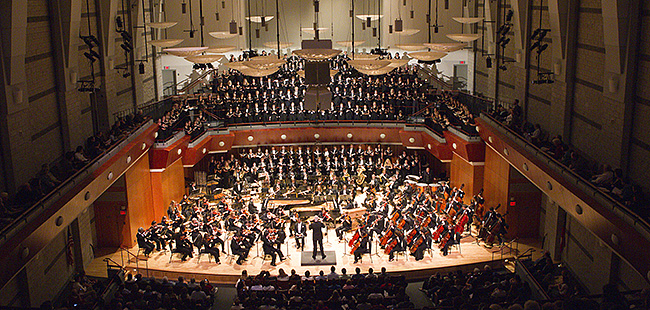
This year, I’m reflecting on the diverse rhythms of the passion narrative. When perceived through the lens of music, this holy season unfolds like a symphony—a diverse, emotive, and redemptive composition where each day plays its part in revealing the depth of God’s love and the drama of salvation.

Palm Sunday: The March Begins

The symphony opens with Palm Sunday, a bold and festive march. The crowd sings “Hosanna!” as Jesus rides into Jerusalem on a donkey. The beat is steady, the tempo triumphant. Like the opening bars of a grand orchestral procession, it sets the stage with hope and expectation. But even amid the praise, there is a foreshadowing dissonance—this King will reign, but not in the way they imagine.

Monday–Wednesday: An Overture of Tension

The days that follow—Monday through Wednesday—form a complex overture. In classical music, an overture introduces the themes that will appear throughout the performance. In these days, Jesus cleanses the temple, teaches in parables, rebukes hypocrisy, and foretells what is to come. The melodies are filled with warning and wisdom, rising and falling with tension. These are the movements of confrontation and anticipation.

Maundy Thursday: A Song of Love and Friendship

Then comes Maundy Thursday, a tender, sacred love song. In the upper room, Jesus shares the Passover meal with his disciples and washes their feet. He breaks bread and pours wine—symbols of his body and blood. The music here is intimate and hauntingly beautiful. It is the song of servant-hearted love and sacrificial friendship. “A new commandment I give you,” Jesus says, “Love one another as I have loved you.”

Good Friday: The Requiem of Sacrifice

Good Friday enters with a somber and heavy dirge. The tempo slows, the key turns minor, and the instruments echo sorrow. Betrayal. Trial. Crucifixion. The innocent one is condemned. The Son of God is lifted high on a cross. The sky darkens. The earth trembles. It is the day when silence screams and grief is loud. And yet—even in the dirge—there is harmony: a deeper, quieter melody of redemption unfolding beneath the sorrow.

Silent Saturday: The Low Chant of Waiting

Holy Saturday is like a chant sung in low tones. It is the pause in the symphony—the space between agony and triumph. The disciples are disoriented. The tomb is sealed. The world holds its breath. This chant is steady and subdued, wrapped in mystery. Though the music seems muted, heaven is not silent. In the stillness, hope waits.

Easter Sunday: A Triumphant Crescendo

And then… the symphony erupts with Easter Sunday’s triumphant crescendo! The stone is rolled away. The tomb is empty. Christ is risen! The music soars in resurrection glory. Trumpets sound. Choirs rise. The whole earth rejoices. This is the victorious finale of the sacred symphony—sin defeated, death undone, grace poured out like song.

Holy Week is not only something we observe—it is something we experience. Like a symphony, it moves through our hearts and souls, awakening emotion, inviting reflection, and pointing us toward hope.

This year, let us read the biblical account with fresh eyes, and listen to the tunes of Holy Week with fresh ears. As we journey through these sacred days, may we hear the divine music of grace all around us—and may it move us to embrace, or perhaps even rediscover, the core message of our faith.

(photo of the Atlanta Symphony )

Exploring the Mystery

A Lenten Devotional

27 To them God has chosen to make known among the Gentiles the glorious riches of this mystery, which is Christ in you, the hope of glory. 28 He is the one we proclaim, admonishing and teaching everyone with all wisdom, so that we may present everyone fully mature in Christ. 29 To this end I strenuously contend with all the energy Christ so powerfully works in me.
Colossians 1:27-29

Neil Armstrong, who had firsthand experience exploring the mysteries of the universe, noted, “Mystery creates wonder and wonder is the basis of man’s desire to understand.”

Everyone loves a good mystery. The twists, turns, and the ultimate revelation can be thrilling.

One morning several years ago, I received a call from the popular TV show “Unsolved Mysteries” asking permission to film an episode on our church campus. At first, I thought the call was a hoax, but as I listened to the inquiry, I realized the caller was referring to a mystery involving a member of our community who had disappeared at sea many years ago while serving in the Navy.

Interestingly, when I saw the episode eventually produced by “Unsolved Mysteries” I noted that the program did not solve the mystery, they only explored the mystery.

In Colossians 1:27, Paul probed a different kind of mystery, one that had been hidden for ages but is now being fleshed out in God’s people: “Christ in you, the hope of glory.” This mystery is not an unsolved riddle but an evolving reality of God’s plan to bring life transformation to all through Christ.

As followers of Jesus, why is our relationship with God a mystery? Perhaps it’s a mystery because the mechanics of how faith brings individuals to life cannot be fully explained. It could be considered a mystery because the work of the Spirit is hidden to the naked eye. Or maybe it’s called a mystery because we are a work in progress, still learning, growing, and maturing, and not yet complete.

In Colossians 2:6-7, Paul urges believers to “walk in him, rooted and built up in him and established in the faith.” We are invited to probe this mystery and live out of the wellspring of our relationship with Jesus each day.

A life rooted and grounded in Christ is not easily shaken. Brenning Manning reminds us, “The more rooted we are in the love of God, the more generously we will live out our faith.”

Reflection:

Where do you sense the divine mystery at work in your life? What are some things that inspire you with awe and wonder? What are some steps we can take to become more rooted and grounded in our faith?

Prayer:

We thank you for the incredible mystery that you have chosen to work in us and through us. As we journey through life, may we always be in tune with your Spirit who is shaping us into your likeness. Root us deeply in your truth and unite us in your love. Amen.

Life Is Short: 7 Reasons to Receive Each Day As a Gift

The famous evangelist Billy Graham confessed, “The greatest surprise in life to me is the brevity of life.”

We’ve all heard the phrase, “Life is short.” It’s often said in passing—when we lose someone too soon, when a moment takes our breath away, or when we’re reminded how fast the years fly by. But what if we took that phrase to heart? What if we allowed it to shape the way we think, speak, love, serve, and live?

Here are seven reasons to live each day as a sacred, unrepeatable gift:

1. Time is a non-renewable resource.

Unlike money, time cannot be earned back or saved up. Every sunrise is a once-in-a-lifetime event. Each conversation, each quiet moment, each new opportunity is here now—and may never come again.

2. Today presents opportunities to grow.

Each day brings lessons, challenges, and opportunities for growth. We’re not the same people we were yesterday. Receive today as a gradual and progressive step forward in your becoming—a place where faith can deepen and character can stretch.

3. Lighten the load someone else is carrying.

When we live with compassion and kindness, we become part of someone else’s healing. A smile, a kind gesture, or an encouraging word may seem ordinary to you but can be life-giving to someone else. Phillips Brooks urged, “Be patient and understanding. Life is too short to be vengeful or malicious.”

4. Joy is often hidden in the present.

When we stop chasing “someday” and start noticing “today,” we discover beauty in the now. The warmth of coffee, the sound of laughter, the kindness of a friend—these are the moments that quietly nourish the soul.

5. Gratitude changes our perspective.

When we live with the mindset that each day is a gift, we begin to see more gifts in our days. Gratitude doesn’t change our circumstances—it transforms our perspective. And that shift is powerful.

6. Regret is too heavy to lug around.

The weight of “I wish I had…” can be heavy. But when we live intentionally—speaking our hearts, showing up for others, and taking courageous steps—we reduce the space for regret and make room for peace.

7. Today is the only day you are promised.

Yesterday is gone. Tomorrow isn’t guaranteed. All we truly have is today—this moment, this breath, this chance. Don’t wait for all the stars to align in your favor to start living fully. Begin now.

Annie Dillard reminds us, “How we spend our days is, of course, how we spend our lives.”

Life is short—a sacred breath between dust and eternity. So love deeply, forgive freely, walk humbly, and live each day as a precious gift not to be wasted.

Let’s not just say life is short—let’s live like it.

Keeping Worry in Check

A Lenten Devotional
Luke 10:38-42

38 As Jesus and his disciples were on their way, he came to a village where a woman named Martha opened her home to him. 39 She had a sister called Mary, who sat at the Lord’s feet listening to what he said. 40 But Martha was distracted by all the preparations that had to be made. She came to him and asked, “Lord, don’t you care that my sister has left me to do the work by myself? Tell her to help me!” 41 “Martha, Martha,” the Lord answered, “you are worried and upset about many things, 42 but few things are needed—or indeed only one. Mary has chosen what is better, and it will not be taken away from her.”  Luke 10:38-42

Worry, if not kept in check, can leave us emotionally drained, spiritually anxious, and even physically unwell. Yet, God calls us to trust him rather than be consumed by worry. For our faith to increase, our tendency to worry must decrease.

Lent is a time for self-reflection. How well do you keep worry in check?

In Luke 10, we see Martha, eager to host Jesus in her home, become overwhelmed with the many details of hospitality. While her intentions were good, her worry and distraction robbed her of the opportunity to be fully present with Jesus. In contrast, Mary chose to sit at the Lord’s feet, listening to His words. When Martha voiced her frustration, Jesus gently reminded her, “You are worried and upset about many things, but few things are needed—or indeed only one. Mary has chosen what is better.”

Worry is not a spiritual virtue; it is a human tendency. We worry about finances, health, relationships, politics, and countless other uncertainties. But what is worry? Worry is an anxious preoccupation with the future, often rooted in fear or doubt. Erma Bombeck famously said, “Worry is like a rocking chair; it gives you something to do but never gets you anywhere.” Worry drains our energy, clouds our judgment, and keeps us from fully trusting God.

Jesus was not dismissing Martha’s responsibilities; He was inviting her to shift her focus. There is a difference between worry and concern. Worry paralyzes us with fear over what might happen. Concern, on the other hand, acknowledges challenges and seeks solutions in faith.

Like Mary, we are called to prioritize the presence of Jesus above our anxieties. When we spend time in His presence—through prayer, Scripture, and worship—our perspective shifts, and our worries lose their grip. As Elizabeth George writes in Breaking the Worry Habit…Forever!, “Worry denies the power of God and produces no good results. Worry adds no value to your life. Eliminate it with God’s help.”

Reflection:
What are the things you tend to worry about the most?How can you replace worry with faith and deepen your trust in God? Have you asked God to help you eliminate your worry habit?

Prayer:
Lord, grant us the peace that surpasses understanding. Teach us to release our worries and rest in your presence. When we are tempted to be anxious, remind us that you are our refuge and strength. Help us, like Mary, to choose what is better—to sit at your feet and trust in your unfailing love. Amen.

Navigating the Maze of Grief

Grief is a maze, both dark and wide,
Winding paths where tears reside.
Shadows linger, doubts appear,
Yet I press on despite the fear.

Through tangled turns and weary days,
A fond remembrance finds its way.
Each memory like a candle glows,
A breeze of love still gently blows.

Though absence aches and seasons change,
The heart still holds what time reclaims.
In laughter, echoes, joys, and pains,
Their presence lingers, love remains.

With gentle steps and quiet grace,
We learn to live, we find our place.
Not rushed, but given time and space,
To heal, to hope, to trust, to face.

And when the road feels long and steep,
May faith sustain, may mercy keep.
For though the night seems void and deep,
Love never fades, nor falls asleep.

(Barry Howard is a retired pastor who serves as a leadership coach and columnist with the Center for Healthy Churches. He and his wife reside on Cove Creek in northeast Alabama.)

Breaking Bad

“My dear children, I write this to you so that you will not sin. But if anybody does sin, we have an advocate with the Father—Jesus Christ, the Righteous One. He is the atoning sacrifice for our sins, and not only for ours but also for the sins of the whole world.” (1 John 2:1-2)

Sin is a universal dilemma. As Romans 3:23 says, “For all have sinned and fall short of the glory of God.” Yet, God’s grace is greater than our sin. However, Martin Luther cautioned, “To be convinced in our hearts that we have forgiveness of sins and peace with God by grace alone is the hardest thing.”

Lent is a time of deep self-reflection, a season to acknowledge our shortcomings and seek forgiveness and renewal through Christ. If we are honest, we all have a sin problem. Sin isn’t just about breaking rules—it’s about breaking a relationship, distancing ourselves from the God who loves us. The Apostle John encourages believers to strive for holiness, but he also reassures us that when we fail, we have an advocate—Jesus Christ.

Jesus is both our defense and our atoning sacrifice. He doesn’t just plead our case; He paid the price for our sin with his own life. His righteousness covers our guilt, and his grace gives us a new beginning. But this grace is not an excuse to remain in sin. John reminds us that if we truly know Jesus, we will aim to follow Jesus—guided by his teaching, emulating his example, and loving others as he loved us.

As we deal with the daily allure of sin, Jerry Bridges encourages us to remember, “Our worst days are never so bad that you are beyond the reach of God’s grace. And your best days are never so good that you are beyond the need of God’s grace.”

Lent challenges us to confront our sin honestly, not with despair, but with hope. Jesus has already solved our sin problem on the cross. Our response is to walk in his ways, abide in his love, and reflect his character to the world.

Reflection:
Where do you find the strength to deal with temptation? How regularly do you confess your sins to God? How can you apply God’s grace to your own shortcomings? What are some ways you can share the good news of God’s forgiveness with others?

Prayer:
Gracious Lord, I confess my sins before You. Thank You for sending Jesus as my advocate and for the grace that covers my failures. Help me to walk in Your ways, to obey Your commands, and to live in a way that reflects Your love. Strengthen me to turn from sin and draw closer to You. In Jesus’ name, Amen.

10 Ways to Care for the Emotional Health of a Congregation During a Pastor Transition

A pastoral transition is one of the most impactful seasons in the life of a church. Whether a pastor retires, resigns, or is called to another ministry, the transition can stir a wide range of emotions—grief, uncertainty, anxiety, excitement, and even division. How church leadership manages this process plays a crucial role in the emotional and spiritual health of the congregation for years to come.

To lead well during this critical time, it’s essential to proactively support the congregation’s emotional needs. Below are ten proven strategies for nurturing a healthy church environment during a pastoral transition.

1. Acknowledge the emotions in the room. Change—even expected change—can feel unsettling. Some church members may feel abandoned, while others may look forward to a new chapter. Create safe spaces for open, honest conversations where members can express their feelings. Validating these emotions helps prevent division and encourages unity.

2. Communicate clearly and consistently. During a pastoral change, transparent communication is vital. Keep the congregation informed about the transition timeline, the pastoral search process, and interim leadership. Regular updates help reduce anxiety and foster trust among members.

3. Honor the departing pastor. If the transition is amicable, take time to celebrate the pastor’s service. Host a farewell service, share personal stories of appreciation, and pray over their next journey. A thoughtful send-off brings closure and lays the groundwork for a smoother transition.

4. Provide strong pastoral care. Pastoral transitions can leave some members feeling spiritually adrift. Church leaders—such as deacons, elders, ministry staff, and interim pastors—should be intentional about providing emotional and spiritual support through encouragement, prayer, and counseling.

5. Reinforce the church’s mission and vision. A church’s identity is rooted in Christ, not a single pastor. Remind the congregation that the church’s mission remains unchanged. Keeping ministries aligned with the church’s vision helps maintain focus and stability during change.

6. Maintain a consistent schedule. Avoid making major changes to worship services or programs during the transition. Familiar rhythms provide stability and comfort. Once a new pastor is in place, there will be time for evaluating and adapting structures and schedules as needed.

7. Promote healing and unity. If the transition follows a difficult season—such as internal conflict or leadership failure—intentional healing is essential. Offer opportunities for reconciliation, reflection, and spiritual renewal. A church that takes time to heal will be more receptive to new leadership.

8. Cultivate a spirit of hope and expectation. Encourage members to view this transition not as a crisis, but as a divine opportunity. A hopeful attitude among leadership will positively influence the congregation. As Romans 8:28 reminds us, “God works in all things to bring about good.”

9. Create opportunities for fellowship and relationship-building. Plan social events, meals, and team-building activities to strengthen relationships during the interim. Laughter, shared meals, and meaningful connection help maintain community and morale.

10. Pray the prayer of “holy indifference.” During the pastoral search, invite the congregation to pray as Jesus did in Matthew 26:39: “Not my will, but your will be done.” A church that earnestly seeks God’s guidance will be spiritually prepared to embrace its next chapter with confidence and joy.

Moving Forward with Faith

A pastor’s departure marks the end of one chapter but also the beginning of another. How a church navigates this transition will shape its emotional and spiritual health for years to come. By prioritizing clear communication, pastoral care, unity, and prayer, a congregation can move forward with faith, trusting that God will guide them as they write the next chapter in their church’s story.

(Barry Howard is a retired pastor and leadership coach with the Center for Healthy Churches, helping congregations and leaders navigate transitions with clarity and care.)

My Strength and My Shield

A Lenten Devotional

“Praise be to the Lord, for he has heard my cry for mercy. The Lord is my strength and my shield; my heart trusts in him, and he helps me. My heart leaps for joy, and with my song I praise him.” 
-Psalm 28:6-7 (NIV)

What do you do when you feel susceptible and weak?

As we journey through Lent, a season of reflection and repentance, we encounter moments when we feel overwhelmed by vulnerability and insecurity. We are reminded of our need for God’s mercy and strength to sustain us. In Psalm 28, David cries out to God for help, and in verses 6-7, his cry turns to praise as he declares, “The Lord is my strength and my shield.”

Philip Yancey notes, “A God wise enough to create me and the world I live in is wise enough to watch out for me.”

During Lent, we are encouraged to confront our human frailty and dependence on God. It is a time to recognize the sin and brokenness in our lives and to seek God’s mercy. Like David, we can cry out to the Lord, trusting that God hears us. When we feel weak, overwhelmed, or vulnerable, we can take heart in knowing that God is not only the source of our strength but also our shield—protecting us in ways we cannot always see.

This season, may we embrace the truth of Psalm 28:7, allowing it to shape our prayers, our thoughts, and our actions. Let us trust in God’s strength and protection, knowing that even in our struggles, we are secure in His hands. And let our gratitude overflow in praise, as we prepare our hearts for the hope and renewal that Easter brings.

Recently while channel surfing, I came across an old episode of the popular sci-fi TV show, Star Trek. In the brief moment as I was watching, as the Starship Enterprise was about to be attacked by the Romulans, I heard Captain Kirk command, “Mr. Sulu, shield’s up!” This was a trademark command for the lieutenant commander to raise the shields, thus cloaking the ship with an invisible protective hull to defend against the attack from the enemy.

In moments when we deal with extraordinary challenges, when we experience elevated anxiety, when we confront adversarial forces, or when we are physically tired or emotionally spent, we should say to ourselves, “Shield’s up!” as we remind ourselves of the Lord’s strength and protection in all circumstances.

Reflection:
How can you trust in God’s strength and shield during this season of Lent? What causes you to feel vulnerable? In what areas of your life are you seeking to grow in grace and mercy? Rest in the truth that God hears you and will help you.

Prayer:
Lord, in this season of Lent, help me to trust you more deeply. When I feel weak, remind me that you provide sufficient energy for the challenges of life. When I feel vulnerable, remind me that you are my shield in all seasons. Amen.

(Barry Howard is a retired pastor who served as a leadership coach and columnist with the Center for Healthy Churches.)

(This was first published as part of Living Lent, a devotional book published by Morningstar Child and Family Services.)