
7 Reasons to Respect and Protect Religious Liberty

The First Amendment to the Constitution of the United States confirms that Congress shall make no law respecting an establishment of religion, or prohibiting the free exercise thereof; or abridging the freedom of speech, or of the press; or the right of the people peaceably to assemble, and to petition the Government for a redress of grievances.”

As the primary author of the First Amendment, James Madison argued, “The religion then of every man must be left to the conviction and conscience of every man; and it is the right of every man to exercise it as these may dictate.”

Religious liberty, the freedom to practice one’s faith without intimidation or persecution, is a cornerstone of democratic societies around the world. Our Baptist ancestors were among the many who contended for this liberty for persons of all faiths or no faith.

Religious freedom stands as a beacon of individual and collective rights, fostering diversity, tolerance, and the flourishing of vibrant communities. Here are 7 reasons why I believe we should celebrate and preserve religious liberty:

  • Ensures freedom of worship. Religious liberty guarantees the freedom to practice one’s faith openly, both individually and collectively. It encompasses the freedom to worship, assemble for religious purposes, and engage in religious rituals and observances. Whether it is gathering for worship services, participating in religious ceremonies, or contributing to religious organizations, individuals must have the freedom to express their faith in a manner consistent with their beliefs. This liberty is essential for the spiritual well-being individually and corporately.

  • Safeguards freedom of conscience. Religious liberty protects freedom of conscience, recognizing that true faith is a matter of sincere conviction. One of our historic Baptist principles involves “the soul competency of the individual.” Religious liberty makes certain that individuals are free to explore, question, and embrace their spiritual beliefs without fear of retribution or societal pressure. This freedom of conscience extends beyond religious beliefs to include moral and ethical convictions

  • Welcomes diversity. Religious liberty celebrates the richness of human diversity and supports the coexistence of various faith traditions. It creates an environment where individuals can freely express their religious convictions, contributing to a vibrant tapestry of cultural and spiritual heritage. Diversity enriches communities by fostering mutual respect, understanding, and social cohesion.
  • Protects against persecution and discrimination. Religious liberty serves as a safeguard against discrimination, ensuring that no individual or group faces prejudice based on their religious beliefs. It upholds the principle of equal treatment under the law, promoting a just and inclusive society. Thomas Paine cautioned, “Persecution is not an original feature in any religion; but it is always the strongly marked feature of all religions established by law. By protecting against discrimination, religious liberty fosters social justice and equality for all.”

  • Advances social justice. Religious liberty plays a vital role in promoting social justice and defending the rights of marginalized and vulnerable populations. It empowers individuals and religious organizations to advocate for justice, speak out against oppression, and provide resources to the underserved. Spiritual communities play an active role in addressing social issues, including poverty, inequality, and human rights abuses. By protecting religious liberty, we empower individuals and religious organizations to fulfill their calling to serve and work for the common good.

  • Inspires moral and ethical living. Religious liberty provides individuals with the freedom to follow moral and ethical frameworks guided by their faith. For example, teachings like those of Jesus shape personal conduct, inspire acts of kindness, and promote values such as justice, forgiveness, and love. By allowing individuals to live out their values, religious liberty encourages the development of a cohesive and compassionate society.

  • Safeguards against extremism: History is filled with instances of religious wars and conflicts that led to division and violence. Religious liberty acts as a safeguard against extremism and radicalization. When individuals are free to practice their faith peacefully, they are less likely to resort to violence in the name of religion. Religious liberty and robust interfaith dialogue promote understanding and unity, countering the forces of contempt and hatred.

Baptists have historically championed religious freedom for all religious groups, believing that if one group loses religious freedom, we will all lose our religious freedom. George Truett emphasized, Baptists have one consistent record concerning liberty throughout all their long and eventful history. They have never been a party to oppression of conscience. They have forever been the unwavering champions of liberty, both religious and civil.”

As we champion religious liberty, we affirm the importance of respecting and protecting the rights of every individual to practice their faith freely, contributing to a more inclusive, compassionate, and harmonious world.

As citizens of these United States, we enjoy more comprehensive freedoms than any other nation on earth. On this 4th of July week, let us remember that “with great freedom comes great responsibility.”

(Barry Howard serves as the pastor at the Church at Wieuca in North Atlanta. He also serves as a leadership coach and columnist for the Center for Healthy Churches.) Top of Form
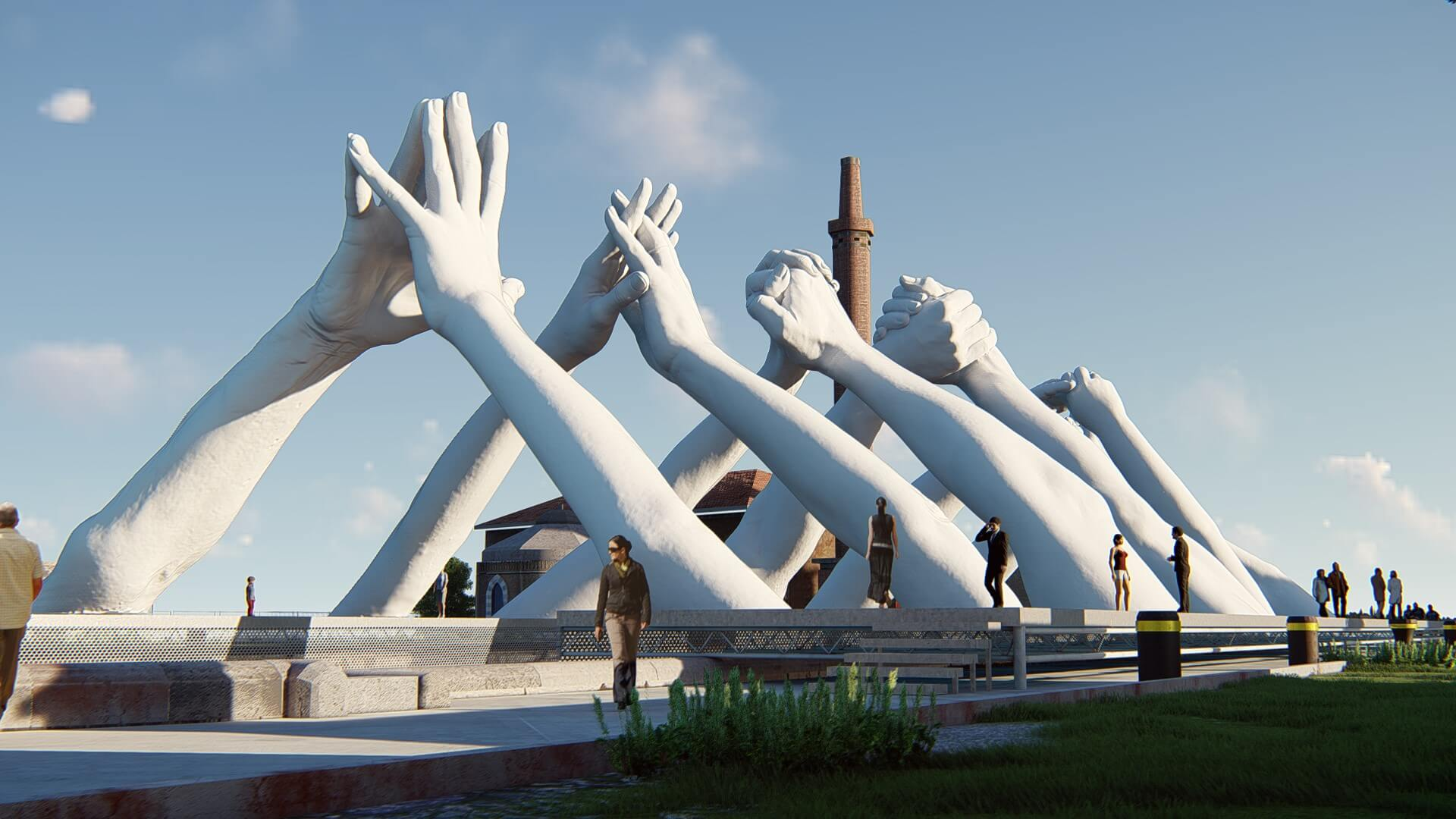
7 Ways to Build Bridges Over the Great Divide

In a world that feels dangerously divided, followers of Jesus can be proactive and intentional about building bridges over the chasm of our differences. Our faith calls us to be peacemakers, to love our neighbors, and to cultivate unity in our churches and communities.

The Greek philosopher Aesop was the first of many to declare, “United we stand, divided we fall.”

Divisiveness seems to be the primary tool in the arsenal of the adversary. A sports team that is divided seldom wins. A nation that is divided internally is at risk of falling prey to external enemies. A church that is divided diminishes its effectiveness.

How can we bridge the cultural, spiritual, and political rifts that divide us? Here are a few ways we can foster understanding and harmony within our community:

1. Listen actively and attentively. Listening is a powerful act of love. By listening carefully to each other’s stories, we gain insight into different thoughts and experiences that have shaped the other person’s perspective. This requires us to listen without interrupting or preparing a clever retort. It means that we listen to learn and to seek a better understanding of their viewpoint. Empathetic listening can dissolve barriers and foster deeper connections.

2. Respect diversity. Our differences are not just to be tolerated but respected. Each person brings unique gifts and perspectives that enrich our community. Treasure the diverse backgrounds, cultures, and viewpoints within our church, recognizing that diversity reflects the beautiful tapestry of God’s creation. My long-time friend and neighbor, Dow Birkhimer, a retired Lieutenant Colonel, often said to me, “If you and I agree on everything, one of us is not needed.”

3. Engage in open and honest conversations. Creating a safe space for open dialogue is essential. Encouraging honest discussions about our differences, whether they be cultural, theological, or personal, allows us to address misunderstandings and misconceptions. Unity of spirit does not require uniform agreement on every issue. Approach these conversations with an open mind, a spirit of humility, and a willingness to learn.

4. Look for common ground. While differences can sometimes be front page news, it is helpful to focus on the common ground we share. Our faith in Jesus Christ, our commitment to love and serve others, and our commitment to work for the common good are powerful unifying factors. Focusing on these shared values can strengthen our bonds.

5. Practice grace and forgiveness. We all make mistakes and sometimes say or do things that hurt others. Practicing forgiveness and extending grace are crucial in maintaining unity. Be quick to forgive and generous with grace, reflecting the love that Jesus has demonstrated for us.

6. Serve together. Working side by side in service to others can break down walls and build bridges. Whether it is through local outreach programs, mission trips, or community projects, serving together helps us see beyond our differences and unite in our common goal of spreading God’s love. When we serve together, our souls tend to bond, enabling us to trust each other’s motives, even when we think differently about many issues.

7. Pray for unity. Prayer is a powerful tool in bridging divides. Commit to praying for unity within your church and beyond. Ephesians 4:3 urges us to “Make every effort to keep the unity of the Spirit through the bond of peace.” Pray for God to soften hearts, open minds, and guide us in building relationships that are seasoned with grace and love.

Divisiveness is a tool of the enemy, not a fruit of the Spirit. As we become rooted and grounded in our faith, we are not an easy target for the tempter’s snare.

In John 17:21, Jesus prayed, “that all of them may be one, Father, just as you are in me and I am in you. May they also be in us so that the world may believe that you have sent me.”

Jimmy Carter hit the nail on the head when he said, “The bond of our common humanity is stronger than the divisiveness of our fears and prejudices.”

In our attitudes and actions, we are either building bridges or driving wedges. Don’t join the demolition crew! Build more bridges!

For more information about building bridges, contact the Center for Healthy Churches to learn about R12, a new set of tools designed to help congregations understand, assess, and respond to political and cultural polarization. (www.chchurches.org)

(Barry Howard serves as the pastor of the Church at Wieuca in North Atlanta. He also serves as a leadership coach and columnist with the Center for Healthy Churches. You can follow him on Twitter at @BarrysNotes.)

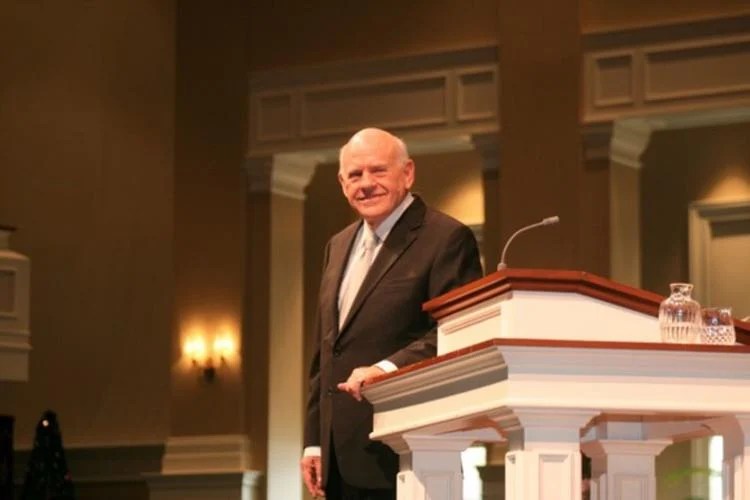
Remembering Bill Self: “The Church Is Worth the Effort”

There are some moments and memories that we never forget. 

One such remembrance is when I first met Dr. Bill Self in 1981 at a banquet on the campus of Samford University. 

I was energized by Bill’s after-dinner speech. He quickly became one of my favorite preachers, not just because he was a captivating and motivating speaker, but because he had a contagious love for the local church. 

As the years unfolded, Bill became not only my colleague, but a friend and a strategic encourager.

We were blessed to have Bill and Carolyn spend a weekend with us in Pensacola in May 2015. For many years, Bill had been a close friend with our iconic pastor emeritus, Jim Pleitz. And Bill had served as the guest “evangelist” for a series of memorable revival services at First Baptist Pensacola during the 1970’s. So, Bill’s visit to Pensacola to be our guest for Heritage Day was filled with visits, stories, and reunions.

On Saturday evening, Amanda and I took Bill and Carolyn to Peg Leg Pete’s, our favorite seafood restaurant on the beach. We laughed and reminisced, but mostly we talked about the future of the local church. And we discussed the many ways that the church is in a season of challenging transition.

Whereas some pundits are prepared to offer a eulogy over the local church, Bill believed that if we seize the opportunity to dialogue poetically and prophetically with our culture, rather than launching hostile verbal missiles at our culture, this could be the church’s finest hour.

From among his many memorable sermons, such as “King for a Day,” “Swimming to the Deep End of the Pool,” and “What Do You Want with Me, Jesus?,” I am glad that Bill chose to preach the sermon, “The Church Is Worth the Effort” for our congregation, a message that continues to be timely and relevant.

Little did we know that our visit with Bill in Pensacola would be our last visit with him this side of heaven. Bill died on January 9, 2016 from complications with ALS.

So, in memory of Bill, each year around this time I give thanks for Bill’s impact on my life and ministry, and I review my notes from his last sermon in Pensacola, a sermon that every pastor and church member needs to internalize as we remind ourselves that the most influential days of the local church can be ahead of us and not behind us:

“I still love the church. I love the church universal, as well as the church local (red brick, white-columned with deacons smoking in the parking lot). With all of its dysfunction and flesh marks, with all of its confusion and humanity, it is still the best thing God has going for Him in this world. We do have a treasure in earthen vessels.

The church is a solid oak tree, not a fragile tea cup. It has withstood Roman Imperialism, Jewish legalism, pagan optimism, medieval institutionalism, the excesses of the reformers, wars and rumors of wars, a youth quake, modern skepticism, southern provincialism, resurgent fundamentalism, and heresies in each generation that seem never to die. It can withstand anything our generation can throw at it.

It has been victimized by unprepared and selfish clergy, tone-deaf musicians, manipulative members, argumentative deacons, demanding denominations, unloving reformers, and greedy politicians. Still it continues to provide love, affirmation and community to the fallen in the face of alienation.

The church is worth the effort!

And it still is today.