
We often hear the phrase “Where there’s a will, there’s a way,” as a rallying cry for perseverance. But when it comes to your estate, that phrase takes on a more literal—and vitally important—meaning. Without a will or estate plan, your family and assets can be left in limbo, regardless of your age, income, or family situation.
A few days ago, my wife and I met with our attorney to update our estate plan. Although we have had a will for many years, now that we have retired, we needed to amend a few provisions, revise some of the contact information, and update our bequests.
Throughout my years serving as pastor, I was shocked at the number of church members who had no will, and many who thought they didn’t need one. I remember one individual who told me, “Our kids will just divvy it up when we’re gone.” That person was naïve about the probate process and unaware of the costs, monetarily and emotionally, of “divvying it up.”
I started planning workshops at the church, facilitated by attorneys and CPAs, to educate the congregation about wills, estate plans, and advance directives. I also began including a brief discussion about wills in my pre-marriage counseling sessions.
Alan Lakein contends, “Planning is bringing the future into the present so that you can do something about it now.”
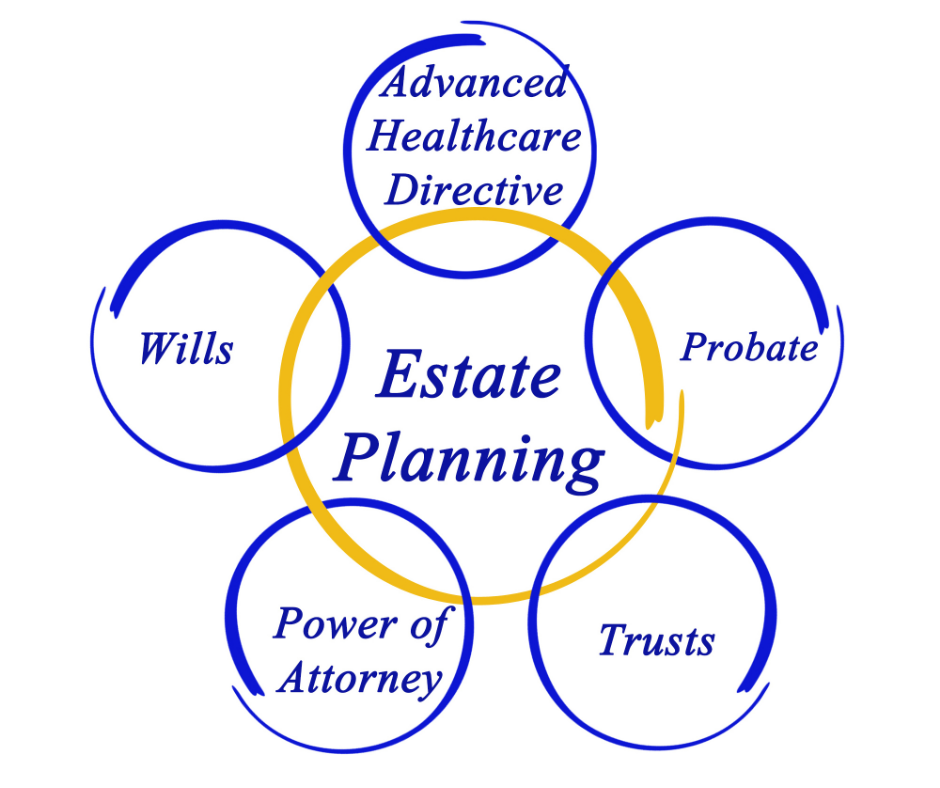
Estate planning isn’t just for the wealthy or elderly. It’s a gift to your family, a part of the spiritual discipline of stewardship, and a wise decision at any stage of life. Here are seven compelling reasons to begin or update your estate plan:
1. It is good stewardship.
As people of faith and principle, we are called to manage well what has been entrusted to us. Creating an estate plan is a practical way to manage your resources with wisdom and intention, ensuring that your legacy reflects your values and priorities.
2. It provides clarity about your final wishes.
From how your assets should be distributed to your desires for end-of-life care or funeral arrangements, your estate plan provides clear direction. Without it, your family is left to guess—and sometimes disagree—about what you would have wanted.
3. It helps avoid family conflict.
Even the most harmonious families can experience stress and tension when a loved one dies without a will. A well-crafted estate plan can help prevent misunderstandings and disputes by making your wishes unmistakably clear.
4. It protects minor children.
If you have children under the age of 18, your estate plan allows you to name a guardian—someone you trust to care for them if the unthinkable happens. Without a will, the courts make that decision without your input.
5. It facilitates a timely probate process and avoids unnecessary legal entanglements.
Proper planning streamlines the legal process, reduces delays, and minimizes costs associated with probate. An estate plan can help your loved ones navigate a difficult time with less bureaucracy and stress. Shez Christopher wittily points out, “If you do not have a Will or plan for your estate, then the government has one for you.”
6. It makes you better prepared for unexpected events or catastrophic illness.
Estate plans often include advance directives and powers of attorney, ensuring that someone you trust can make financial or medical decisions on your behalf if you’re ever incapacitated. Richard Cushing advises, “Always plan ahead. It wasn’t raining when Noah built the ark.”
7. It creates a path for your assets to continue to bless others after you are gone.
Whether it’s providing for your family, supporting your church, or giving to a cause you care about, your estate plan becomes a channel for generosity—allowing your life to have a lasting impact.
David Angway, a Wealth Advisor and Trust Estate Planner, summarizes it this way: “Planning your estate ensures that your family’s future is secure and harmonious after you’re gone. Properly organizing the distribution of your property prevents conflicts and misunderstandings, fostering respect and unity among your loved ones.”
Don’t procrastinate! And don’t wait for a crisis to start the conversation. Begin today. Where there’s a will, there’s not just a way forward for your family—but a legacy that honors your life, your faith, and your values.
(Barry Howard is a retired pastor who currently serves as a leadership coach and consultant with the Center for Healthy Churches. He and his wife reside on Cove Lake in northeast Alabama.)
 Cove Creek Reflections