
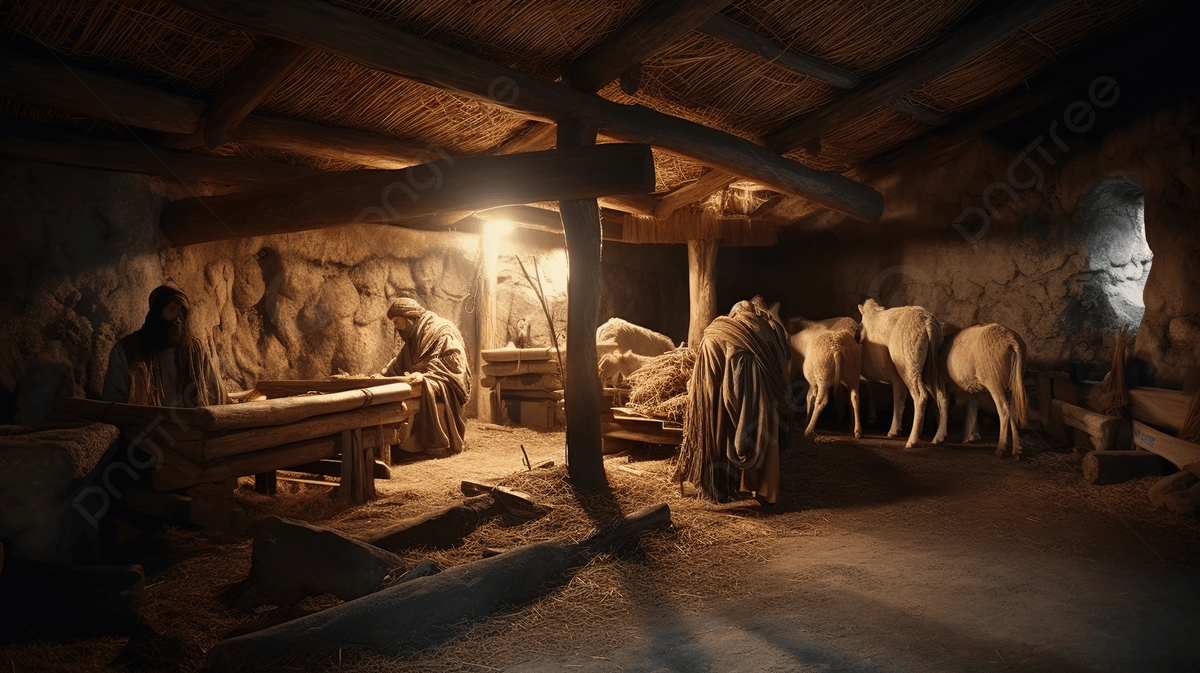
The Christmas story is so familiar that we sometimes forget it comes to us through more than one gospel writer’s perspective. Nativity scenes blend shepherds and angels, wise men and a star, Mary and Joseph and a manger into a single display. Yet when we turn to the Gospels, we discover that each writer tells the story from a distinct perspective, or, in one case, chooses not to tell it at all. These different viewpoints do not compete with one another; they enrich our understanding of the mystery of the birth of Jesus.
Matthew: Christmas Through the Lens of Lineage
Matthew’s Gospel tells the Christmas story with one eye firmly fixed on Israel’s scriptures. Written for a largely Jewish audience, Matthew frames Jesus’ birth as the fulfillment of ancient promises. The genealogy of Jesus traces his lineage back through Abraham and David, anchoring the story in God’s covenant history.
Matthew highlights Joseph’s experience, including the angelic dream, the struggle to do what is right, and the costly obedience that follows. The visit of the Magi, the guiding star, and the flight into Egypt all echo Israel’s past, reminding readers that God is continuing a long and faithful story. Matthew invites us to see Christmas as God keeping promises, even when fulfillment of those promises arrives in unexpected ways.
Luke: Christmas as Music for Those on the Margins
Luke’s Gospel is steeped in joy and wonder. Angels sing, the lowly are lifted up, and good news is announced to those on the margins. By focusing on women, the poor, and the powerless, Luke reminds us that the birth of Jesus is good news for all people. His perspective teaches us that Christmas is not just about God entering history, but about God drawing near to those who feel forgotten.
If Matthew emphasizes heritage, Luke emphasizes inclusion of those on the fringes. Luke’s account is the most detailed and the most tender. He gives voice to Mary’s song, Zechariah’s prophecy, and the angels’ proclamation to shepherds, who were ordinary laborers often overlooked by society.
John: Christmas as Cosmic Mystery
Just as Matthew’s gospel comes from a more Jewish perspective and Luke’s narrative is more melodic, John’s version is more philosophical. The writer offers no manger, no shepherds, and no Bethlehem journey. Instead, he begins his Gospel with a soaring theological hymn: “In the beginning was the Word…” For John, Christmas is not primarily a story about where Jesus was born, but about who Jesus is.
By proclaiming that “the Word became flesh and lived among us” (John 1:14), John invites readers to contemplate the cosmic significance of the incarnation. Christmas, in this telling, is the moment when eternal light enters human darkness.
John’s use of the ”Word,” which is translated from “Logos,” meaning “reason” or “being,” or perhaps “the reason for being.” helps us see the nativity not only as a historical event, but as a divine mystery that reshapes all of reality.
Mark: Christmas Silence That Speaks
Mark, the earliest Gospel, says nothing about Jesus’ birth at all. He begins with Jesus’ public ministry, moving swiftly and urgently toward the cross. This absence is not an oversight; it is a theological choice.
The silence of Mark on the birth narrative invites us to focus not on sentiment, but on essence. Mark’s focus is on the earthly ministry of Jesus and the teachings of Jesus. Christmas, from this angle, calls us not just to wonder, but to follow those teachings and to align our lives with Jesus’ initiatives.
Taken together, the four Gospels offer a fuller, richer portrait of Christ’s coming than any single account could provide. Much like four sportswriters covering an athletic event from four different seats in the stadium, these biblical writers present the story from the view they’ve been given.
Matthew grounds us in God’s faithfulness, Luke draws us into God’s compassion, John lifts our eyes to God’s mystery, and Mark keeps us focused on God’s mission.
In a world shaped by differing viewpoints, the Gospels remind us that truth is often best seen through multiple lenses. The Christmas story is not diminished by its varied tellings; it is deepened. Each voice adds texture, meaning, and insight to the good news that God is with us.
As we revisit the story year after year, perhaps we are invited to listen again with fresh ears. By contemplating each Gospel’s perspective, we discover that the light of Christmas shines more brilliantly when seen from the whole prism.
(This column is a revision of a Wednesday night message I shared at the First Baptist Church of Pensacola in 2009.)
 Cove Creek Reflections