
7 Ways to Minimize Family Drama at Your Thanksgiving Gathering (Or at Least Contain It to Manageable Levels)

Over the years, I have observed that family gatherings during the holidays, especially at Thanksgiving, can be a great opportunity for the family to visit, share highlights of the previous year, and to enjoy a delicious meal. But I have also noted that such occasions can serve as a potential theatre for family drama.

Thanksgiving can be a glorious blend of turkey, dressing, sweet potato casserole, and pecan pie. But Turkey Day can also serve as the annual reminder that every family has at least one person who stirs the pot—literally and figuratively. If your family gatherings resemble a cross between a Norman Rockwell painting and Family Feud, this list is for you.

Here are 7 ways to minimize family drama at Thanksgiving,or at least keep it to the level that doesn’t require professional referees or emergency pie rations:

1. Strategically assign seating like you are planning the Geneva Convention.

Whether your family includes the nephew who loves to “just play devil’s advocate,” or the sister who lives up north and believes every conversation is a debate tournament, strategic seating is essential.

  • Put peaceful people together.
  • Put calmer personalities in the middle
  • Seat the jokester between potentially rival factions.

This is a diplomatic summit, and not just dinner. Think of your table like a diplomatic summit. Your mission is to prevent World War III between those who prefer gravy and those who opt for cranberry sauce.

2. Declare a pre-meal politics ban.

Make a gentle announcement: “Friends, family, and beloved relatives who may or may not test my sanctification… this is a politics-free zone.”

If someone starts drifting in that direction, have a few pre-approved diversion lines ready:

  • “Speaking of election results, did anyone bring dessert?”
  • “Fascinating—pass the gravy!”
  • “Let’s save that conversation for Arbor Day.”

If diversions fail, distract with pie. Pie always wins.

3. Give everyone a job—preferably a safe one.

Idle hands are the playground of unnecessary opinions. Assign tasks.

  • The person who can’t cook? Napkin duty.
  • The one who always shows up late? Butter the rolls—they may still be warm.
  • The family perfectionist? Organize the drink station. And let them color-coordinate to their heart’s content.

A busy family is a calm family.

4. Preemptively hide the board games that cause trouble.

Every family has that game. You know the one.

  • Monopoly: ruins relationships.
  • Phase 10: awakens competitive spirits not seen since the Colosseum in Ancient Rome.
  • Uno: historically responsible for more wars than Europe.

This year, choose something cooperative, like a puzzle. Or a walk. Or staring peacefully at the wall.

5. Establish a “drama-free zone” table rule.

It can be a simple set of guidelines.

  • No gossip.
  • No passive-aggressive comments.
  • No discussing who is “still single,” “still unemployed,” “still gluten-free,’ “still unwed,” or “still without child.”
  • No family wagers on which school Lane Kiffin is going to.

The turkey deserves better than that.

6. Prepare preemptive conversation starters.

Keep a short list of prompting, harmless questions on standby:

  • “What’s one thing you’re thankful for this year?”
  • “What’s a favorite Thanksgiving memory?”
  • “What is the best book, movie, or TV show you’ve enjoyed this year?

These are mostly safe questions.

7. Have at least three emergency exit lines ready.

You’re not fleeing the family—you’re strategically preserving your sanity.

Try:

  • “Excuse me, I think the sweet potatoes are calling my name.”
  • “Hold that thought—I need to check the oven.”
  • “Did someone hear a knock at the door? Let me double-check.”

Gracefully step away. Return with pie.

For almost every family, Thanksgiving gatherings are a blend of gratitude and quirks, tradition and chaos, sweetness and spice, and not just on the dessert table. Family drama may not disappear entirely, but with humor, grace, and a few strategic decisions, you can minimize the meltdowns and maximize the moments worth remembering.

And if all else fails, just keep passing the rolls. People have a hard time arguing when their mouths are full.

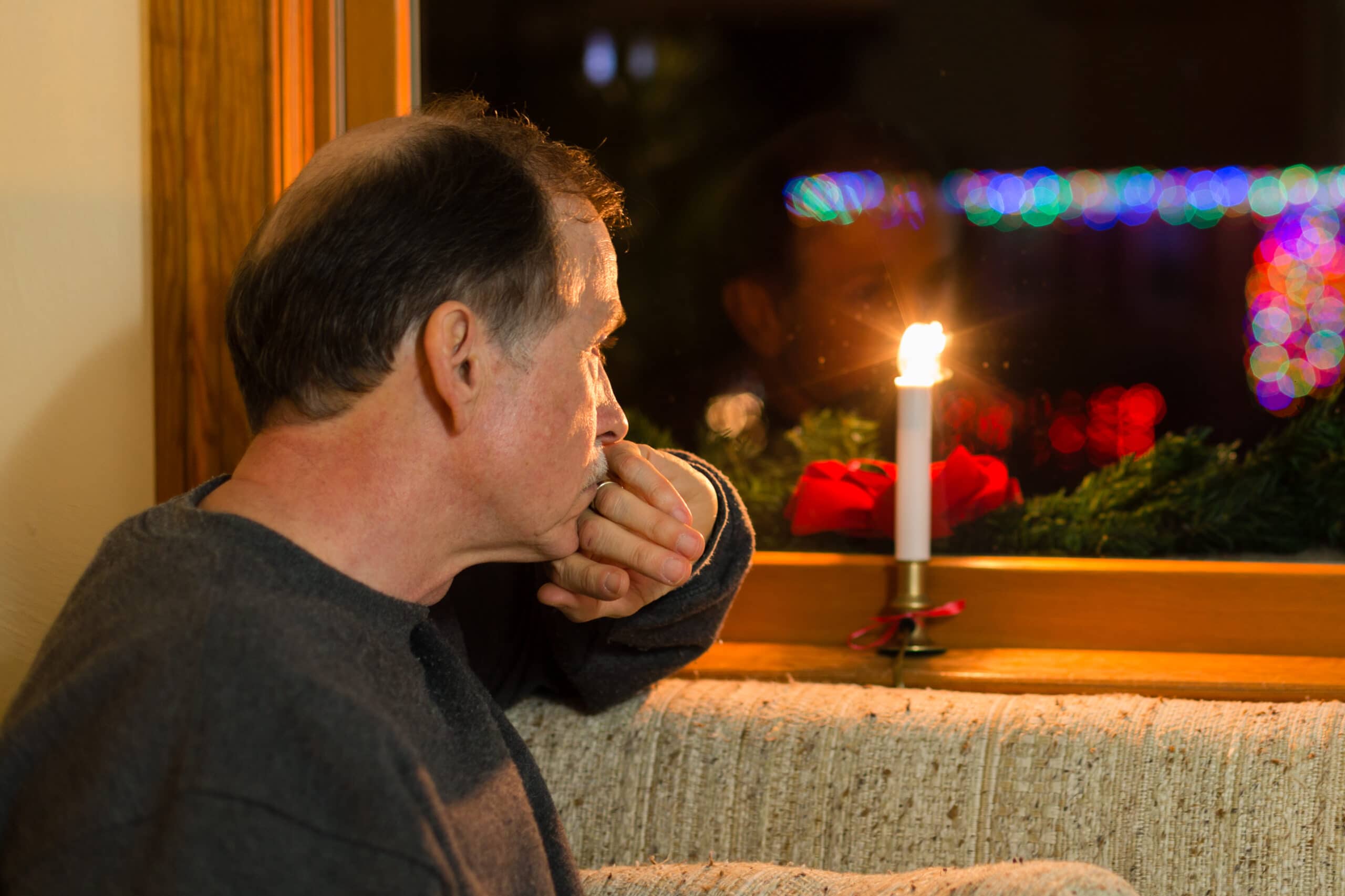
Navigating Life on the Island of Misfit Toys: 7 Ways to Deal with Loneliness at Christmas

For those of us who grew up watching Rudolph the Red-Nosed Reindeer, the Island of Misfit Toys has become a symbol of being different, overlooked, or left out. Although the toys were not broken, they were misunderstood and longing for a place where they belonged.

For many individuals, the holidays can feel like that island—a season where everyone else seems to have a place, a purpose, and people to share it with, while loneliness leaves us feeling adrift. In a recent Harvard study, 21 percent of adults indicated they have experienced serious feelings of loneliness.

If you’re feeling like life on the “island” is your reality this Christmas, take heart. Loneliness, though difficult, does not have the final word. Here are some ways to find meaning, connection, and even joy during the holidays, no matter your circumstances:

1. Own your uniqueness. On Rudolph’s journey, Charlie-in-the-Box insisted, “Being a misfit means that you are special. Embrace your uniqueness and celebrate who you are.” Loneliness can stem from feeling out of place or like you don’t measure up to others’ holiday experiences. But the beauty of Christmas is that God didn’t choose perfection to carry out his plan. God chose a humble manger, ordinary shepherds, and a small, overlooked town. Lean into who you are, and remember that you are uniquely and wonderfully made.

2. Come to terms with your feelings. It’s okay to admit that the holidays are hard. Whether you’re grieving a loss, facing a season of change, or simply feeling the ache of solitude, naming those emotions can be a powerful first step toward healing. Even Jesus experienced loneliness and sorrow. He knows your pain and he is near to you, offering comfort and peace.

3. Look for fellow “misfits.” The Misfit Toys didn’t stay isolated. They found each other. Seek out others who may also feel disconnected during this season. Attend a community event, reach out to a friend, or visit a local church. Many people long for connection but don’t know how to take the first step. Your initiative could be a gift not only to you but to someone else.

4. Find joy in serving. One of the most powerful antidotes to loneliness is serving others. Volunteer at a shelter, bake cookies for your neighbors, or send handwritten notes to people who might also be feeling alone. When we shift our focus outward, we often discover new connections and purpose in the process.

5. Lean into the Christmas story. At its core, Christmas is not about parties, gifts, or picture-perfect moments. The Christmas story is about God stepping into our messy, lonely world to be with us. The birth of Christ is a profound reminder that we are never truly alone. Emmanuel, “God with us,” means God is present in your quiet moments, your tears, your laughter, your challenges, and your joys.

6. Create your own traditions. If old traditions bring more pain than joy, don’t be afraid to start new ones. Hermey the Elf advises, “Follow your passion and dreams, even if they don’t fit into the mold. Be true to yourself and find joy in pursuing what you love.” Write a poem, start a jigsaw puzzle, try the new recipe, dance by the light of the tree, or take a peaceful walk under the stars. Simple, meaningful actions can help you reclaim the season.

7. Give yourself the gift of grace. It’s okay to feel lonely, and it’s normal to experience melancholy during the holidays. Don’t be too hard on yourself if your emotions feel a little chaotic. The first Christmas night wasn’t filled with jubilant celebration but with quiet humility. Let yourself rest in the peace of the season, know that your self-worth isn’t determined by how festive you feel.

The story of the Misfit Toys didn’t end with them being forgotten. Rudolph and his friends ensured they were found, loved, and given purpose. Christmas is a reminder that we are never truly left behind. God sees us, loves us, and has a purpose for us—even when at times we feel like misfits.

Dare to step outside your comfort zone this Christmas. As Yukon Cornelius wisely observes, “Adventure awaits those who are willing to take risks. Embrace the unknown and discover the wonders of the world.”

(Barry Howard is a retired pastor who serves as a leadership coach and columnist with the Center for Healthy Churches. He and his wife reside on Cove Creek in northeast Alabama.)

When the Holidays Hurt: Navigating Grief During a Season of Joy

The holiday season is often described as “the most wonderful time of the year.” It’s a time for festive décor, family gatherings, and joyful celebrations. But for those who are grieving, this season can feel like a sharp reminder of what–or who–is missing. The colorful lights, cheerful music, and holiday gatherings can be bittersweet, amplifying the ache of loss.

Grief is challenging to deal with at any time of the year, but during the holidays, grief can be deeper, darker, and more unpredictable than at other times. Why does grief seem to turn up the volume during the holiday season?

I think there are at least three reasons that grief is more amplified from Thanksgiving through Christmas. First, the nostalgia surrounding the holidays and other special occasions prompts us to recall memories more readily. Second, these events tend to frame the absence of our loved ones. For example, a chair that was occupied at the family table may be vacant this year. And third, we tend to be more emotive during the holidays. Our sensory capacity is thrust into high gear.

Richard Kauffman suggests, “There is no right or wrong way to handle the holidays. You are in complete control of your plans as to what you will do during this time of the year.”

Since grief is more pronounced during the holiday season, how can we best deal with it? Too often our human tendency is to repress grief under the guise of being strong. However, repressed grief becomes toxic and can lead to depression or illness. It’s better to confront grief head-on. Here are ten helpful ways to navigate holiday grief:

  • Proactively prepare for holiday grief. Don’t avoid it or deny it. Engage it. The best therapy for grief is to grieve. Give yourself permission to feel your emotions, whether it’s sadness, anger, or even moments of unexpected joy. Ignoring grief won’t make it go away, but naming it can help you process it.
  • Do a soft re-set on your holiday traditions. Determine which traditions to keep and which to eliminate. And start at least one new tradition. Since grief has a way of reconfiguring life, relationships, and family, embrace a new configuration by beginning at least one new tradition.
  • Highlight a favorite event or experience of your loved one. Choose something that was a favorite food, game, song, or activity of your departed loved one, and find a way to highlight it during the holidays. For example, if they loved driving around to see Christmas lights, do it this year in memory of them. If they loved coconut cake, make one and have everyone try a bite.
  • Be creative in “work arounds.” Let’s say that Grandpa always read the Christmas story after dinner from his recliner. It may be too emotional for the family to have someone else read the Christmas story from Grandpa’s recliner. Consider having one or more of the grandchildren read the Christmas story before dinner around the dinner table.
  • Plan a strategic holiday memorial gift. For example, if Grandma was in a mission group and supported the Christmas Mission Offering, plan for the family to each give a gift to the mission offering in her memory. If Grandpa served on the Properties Committee at church, consider a gift toward campus improvement in his memory. Plan the gift to correspond to one of the passions of your departed loved one.
  • Tell lots of stories. For years I’ve encouraged families to continue “to treasure the memories and tell the stories” as a way to process grief. Stories are therapeutic, for sure. But they are also formational and nurturing. One reason genealogies are included in the Bible is because stories of our ancestors help shape our identities.
  • Write a letter to your departed loved one. In the letter tell them what you are feeling during the holidays. Then read the letter aloud as though the departed friend or family member is in the room with you. We think and we speak with different sides of the brain. To reflect, write, and then speak what you have written is healthier and more holistic than simply writing it down. It’s your choice whether to keep the letter confidential or to share it with other family members.
  • Continue the conversation. Most of us tend to continue an internal dialogue with our departed loved ones after they are gone. Sometimes it involves a gut-wrenching confession such as, “Daddy, there are so many things I wish I had told you.” Much of the time it is something as simple as, “I sure do miss you.” And of course, such a dialogue may include good humor such as, “The lights at the top of the tree have gone out again, and I suspect you may have had something to do with that.” It is important during the holidays to keep the conversation going, and maybe even rev it up a bit.
  • Designate moments for quiet and solitude. Be careful not to withdraw into a cocoon of isolation. But likewise, be careful not to bury your grief in a flurry of holiday events and activities.
  • Participate in holiday services at your church. The Christmas story itself is one of hope born in the midst of hardship. The birth of Christ is a reminder that God is with us, even in our darkest times. Emmanuel–“God with us”–is a powerful promise for those who are grieving. Lean into the deeper meaning of the season, finding comfort in the assurance that God understands your sorrow and walks with you through it.

Healthy expressions of grief include finding the right balance of tears and laughter, of connecting and disconnecting, and of lamentation and celebration. And remember, not every member of the family grieves in the same way or at the same pace. Allow space for family members to grieve in their own way.

There’s no doubt the weight of grief can be heavier during the holidays. But the holidays also present great opportunities for finding positive and proactive ways to deal with your grief.

Dr. Alan Wolfelt cautions, “Don’t assume that your holidays will be totally miserable this year. Yes, if you are actively mourning, you will experience pain and sadness. But if you spend time in the company of people you love, you may also experience moments of great joy and hope.”

Grieving during the holidays is never easy, but it’s a journey you don’t have to walk alone. Be gentle with yourself, embrace the support of others, and look for ways to honor both your grief and the hope of the season. Even in a time of sorrow, there is room for moments of hope, peace, joy, and love.

This year, as you navigate the holidays, you may discover that you can experience grief and hope simultaneously, and that the light of Christ shines brightest in our seasons of darkness.

(Barry Howard is a retired pastor who currently serves as a leadership coach and columnist with the Center for Healthy Churches. He and his wife reside on Cove Creek in northeast Alabama.)