
Love Is a Verb

A Maundy Thursday Reflection

On Maundy Thursday, we remember one of the most intimate and powerful evenings in the life of Jesus. Gathered in an upper room with his disciples, just hours before his betrayal, Jesus told them, “A new command I give you: Love one another. As I have loved you, so you must love one another” (John 13:34).

Love is action-oriented. Stephen Covey contended, “Love is a verb. Love—the feeling—is a fruit of love, the verb.”

It’s one thing to talk about love. It’s another to live it. Jesus didn’t just tell his disciples to love one another—He showed them. He got down on his knees and washed their feet. He broke bread and shared wine. He spoke tenderly of what was to come, even as he prepared to endure suffering on behalf of the very ones seated at the table.

Love Is Humble

The Son of God, the one through whom all things were made, picked up a towel and served. In a culture where washing feet was the job of the lowest servant, Jesus flipped the script. He demonstrated that love doesn’t seek status or recognition. It stoops. It serves. It sees others as worthy of our time, our care, and our compassion.

Love Is Faithful

Jesus knew that Judas would betray him. He knew Peter would deny Him. He knew the others would scatter in fear. Still, he broke the bread. Still, he offered the cup. Still, he washed their feet. His love didn’t waver based on how others treated him. His love remained faithful, even in the face of betrayal and abandonment.

Love Is Sacrificial

As the shadows grew longer that night, Jesus set His eyes on the cross. Not because he was powerless to avoid it, but because he was committed to a love that would redeem the world. Paul David Tripp proposes, “Love is willing self-sacrifice for the good of another that does not require reciprocation or that the person being loved is deserving.” Maundy Thursday reminds us that love costs something. It’s not always easy or convenient. The mandate Jesus gave is action-oriented. In the gospel Jesus preached, love is a verb.

Love Is Commanded

“Maundy” comes from the Latin mandatum, meaning “commandment.” It points to Jesus’ words in John 13:34: “A new command I give you: Love one another. As I have loved you, so you must love one another.” This wasn’t a gentle suggestion—it was a divine directive. It is easy to love God. It is often difficult to love others. Yet one is a reflection of the other. If we call ourselves his followers, then love must be our way of life. Not just love in theory, but love in action.

Love Is a Verb

It’s not just how we feel—it’s what we do. On Maundy Thursday, we’re invited to remember that love is meant to be lived. Whether we are washing feet, sharing a meal, forgiving a wrong, or standing beside someone in their pain, we are called to be people who love with hands and feet, with humility and courage, with grace and truth.

So on this Maundy Thursday, may we do more than recall a sacred meal or a basin and towel. May we recommit ourselves to the path Jesus walked—the path of servant-hearted, sacrificial, unwavering love.

Because love is more than a word.
Love is a verb.
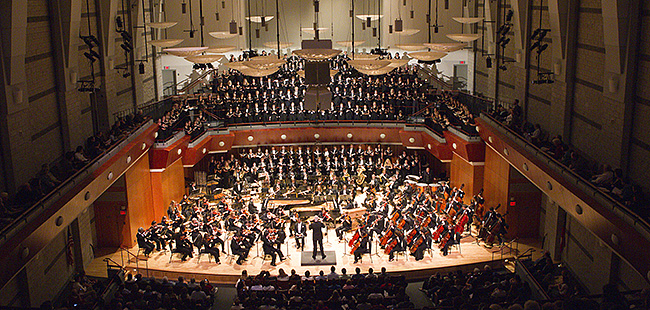
Holy Week As a Sacred Symphony

Each year, Christians around the world walk through the sacred rhythms of Holy Week, revisiting the final days of Jesus’ earthly journey before the cross and the resurrection.

Why is observing Holy Week important to our preparation for Easter?  The traditional observance of Holy Week appears to have originated in the Christian East, emerging from the practice of pilgrimages to Jerusalem. Each day of Holy Week is significant to the overall story of the death, burial, and resurrection of Jesus.

Brian McLaren proposes, These special holidays give rise to various liturgical calendars that suggest we should mark our days not only with the cycles of the moon and seasons, but also with occasions to tell our children the stories of our faith community’s past so that this past will have a future, and so that our ancient way and its practices will be rediscovered and renewed every year.”

This year, I’m reflecting on the diverse rhythms of the passion narrative. When perceived through the lens of music, this holy season unfolds like a symphony—a diverse, emotive, and redemptive composition where each day plays its part in revealing the depth of God’s love and the drama of salvation.

Palm Sunday: The March Begins

The symphony opens with Palm Sunday, a bold and festive march. The crowd sings “Hosanna!” as Jesus rides into Jerusalem on a donkey. The beat is steady, the tempo triumphant. Like the opening bars of a grand orchestral procession, it sets the stage with hope and expectation. But even amid the praise, there is a foreshadowing dissonance—this King will reign, but not in the way they imagine.

Monday–Wednesday: An Overture of Tension

The days that follow—Monday through Wednesday—form a complex overture. In classical music, an overture introduces the themes that will appear throughout the performance. In these days, Jesus cleanses the temple, teaches in parables, rebukes hypocrisy, and foretells what is to come. The melodies are filled with warning and wisdom, rising and falling with tension. These are the movements of confrontation and anticipation.

Maundy Thursday: A Song of Love and Friendship

Then comes Maundy Thursday, a tender, sacred love song. In the upper room, Jesus shares the Passover meal with his disciples and washes their feet. He breaks bread and pours wine—symbols of his body and blood. The music here is intimate and hauntingly beautiful. It is the song of servant-hearted love and sacrificial friendship. “A new commandment I give you,” Jesus says, “Love one another as I have loved you.”

Good Friday: The Requiem of Sacrifice

Good Friday enters with a somber and heavy dirge. The tempo slows, the key turns minor, and the instruments echo sorrow. Betrayal. Trial. Crucifixion. The innocent one is condemned. The Son of God is lifted high on a cross. The sky darkens. The earth trembles. It is the day when silence screams and grief is loud. And yet—even in the dirge—there is harmony: a deeper, quieter melody of redemption unfolding beneath the sorrow.

Silent Saturday: The Low Chant of Waiting

Holy Saturday is like a chant sung in low tones. It is the pause in the symphony—the space between agony and triumph. The disciples are disoriented. The tomb is sealed. The world holds its breath. This chant is steady and subdued, wrapped in mystery. Though the music seems muted, heaven is not silent. In the stillness, hope waits.

Easter Sunday: A Triumphant Crescendo

And then… the symphony erupts with Easter Sunday’s triumphant crescendo! The stone is rolled away. The tomb is empty. Christ is risen! The music soars in resurrection glory. Trumpets sound. Choirs rise. The whole earth rejoices. This is the victorious finale of the sacred symphony—sin defeated, death undone, grace poured out like song.

Holy Week is not only something we observe—it is something we experience. Like a symphony, it moves through our hearts and souls, awakening emotion, inviting reflection, and pointing us toward hope.

This year, let us read the biblical account with fresh eyes, and listen to the tunes of Holy Week with fresh ears. As we journey through these sacred days, may we hear the divine music of grace all around us—and may it move us to embrace, or perhaps even rediscover, the core message of our faith.

(photo of the Atlanta Symphony )