A Pastor’s Prayer for Our Nation- July 14, 2024

(This pastoral prayer was offered in worship at the Church at Wieuca on Sunday July 14, 2024, the day following the attempted assassination of our former president.)

O God of truth, compassion, and eternal justice, we approach your throne of grace today with heavy hearts, seeking comfort and strength in the wake of the recent shooting that has rattled our nation.

We lift up to you our former president and pray for his quick and thorough recovery, and for his physical and spiritual wellness. And we pray for all those affected by the recent assassination attempt. Administer your healing touch to those who were injured and your comfort to those who lost loved ones, and surround them with your peace that surpasses all understanding.

Lord, in this time of shock and uncertainty, we ask for your divine guidance and protection for our nation. Guard us from further atrocities and unite us in solidarity and compassion. Give wisdom and discernment to national and local leaders as they navigate this crisis and strive to ensure safety and security for all who gather in public spaces.

As we attempt to apply your words to life and to live by faith as we hold to your promise of a better future, we confess that our anger and grief from this event are not nearly resolved, and that a sense of despair and deep concern incubates deep within us.

Rather than being consumed by our grief, controlled by our fears, and riddled by our anxieties, help us set our minds to addressing the injustice and disunity that precipitates hate and hostility. Let us direct our souls to living out our faith in our actions and attitudes, and let us turn our minds to addressing issues rather than attacking people, not with partisanship and fear, but with a responsible and courageous exercise of freedom.

O God we confess our ongoing need of your life-changing and culture-shaping grace. Strengthen our resolve, O God, to stand firm against fear and division, and empower us to work together towards a future of peace and harmony.

Lord, we affirm our trust in your unfailing love and mercy. Guide us through these troubled times with your mighty hand. May your grace abound in us and may the light of your love shine through us.

Above all, teach us to love one another again. And though it swims against the current of our deepest instincts, enable us to love those who think differently than we do, even those who may be considered our adversaries.

Although we have many perspectives, truly make us one nation under God, indivisible, with liberty and justice for all. We offer our prayer in the name of the One who aims to unite us all in faith, hope, and love.  Amen

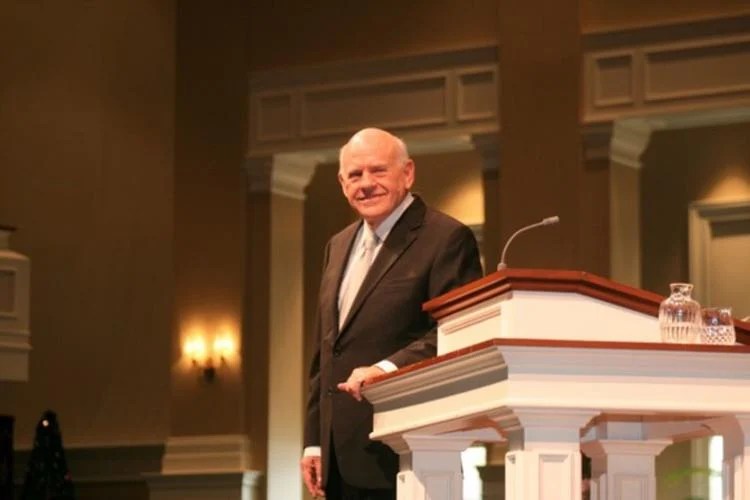
(Barry Howard serves as the pastor of the Church at Wieuca in North Atlanta. He also serves as a leadership coach and columnist with the Center for Healthy Churches. You can follow him on social media at @BarrysNotes.)


Heal Our Divisions: A Prayer for Independence Day 2024

On this Independence Day, we thank you for the gift of freedom, for the courage of those who fought to secure it, and for the opportunity to live in “the land of the free and home of the brave.”

Lord, we remember the sacrifices made by countless individuals who laid down their lives to establish and protect our liberty. May their bravery and dedication never be forgotten, and may we honor their memory by living in ways that honor their sacrifice.

We also pray for those around the world who do not yet enjoy freedom but live under threat and in fear of harsh and unjust regimes. And we pray for those who are fighting for their freedom even now that they may be victorious.

Especially today, we pray for our nation, asking for your guidance and wisdom for our leaders. Grant them the discernment to make just and righteous decisions that uphold the values of freedom and equality for all. Inspire us as freedom-loving citizens to engage actively and responsibly in our civic duties, building a culture of mutual respect and understanding.

During this season of celebration, we are also deeply burdened. Regardless of our personal ideology or perspective, we are concerned about things like the abuse of political power, the threat of terrorism, the divisiveness of harsh and misleading rhetoric, a lack of civil discourse, a growing sense of moral anarchy, the escalation of war, and the possibility of another natural disaster. We have an elevated sense of anxiety about the leadership of our government, the stability of our economy, and the future of our world.

And we confess that these anxieties all too frequently divert us from our mission to care for the “least of these” among us and to “love mercy, act justly, and walk humbly” with you.

We ask, O God, that you bless our land with a revival of unity. Heal the divisions that separate us and let us find common ground in our shared love for this country and the freedoms it represents. May we always strive to extend these blessings to those who are oppressed and marginalized, both within our borders and beyond.

Bless this land and its people. May our actions reflect your love and grace, and may we use our freedom to serve you and others with compassion, integrity, and humility.

Because you are the freedom-loving God, lead us to exercise our freedom responsibly and to pursue “liberty and justice for all” people across our nation and around the globe.

We pray in the strong name of the One who came to make us free indeed. Amen.

Build Each Other Up: 10 Benefits of Encouragement

In our challenging and fast-paced world a simple word of encouragement can be a powerful force Encouragement not only lifts spirits but also fosters an environment where individuals can thrive. I Thessalonians 5:11 urges us, “Therefore encourage one another and build each other up, just as in fact you are doing.”

Your simple word of encouragement can change the course of someone’s day, and in some cases, even impact the direction of their lives. Here are ten significant benefits of encouragement:

  1. Strengthens relationships. Offering encouragement can strengthen bonds between friends, family members, and colleagues. It shows that we care and are invested in the other person’s success and well-being, fostering deeper and more meaningful connections.

  2. Boosts confidence. Encouragement helps build self-esteem and confidence. When someone believes in us, it reinforces our belief in ourselves. This can lead to greater self-assurance and a willingness to take on new challenges.

  3. Enhances effectiveness. Positive reinforcement is a well-known motivator. Encouragement can significantly improve performance in both personal and professional settings. Whether it’s a pat on the back for a job well done or a pep talk before a big presentation, knowing someone is in our corner can drive us to excel.

  4. Inspires positive thinking. Encouragement cultivates a positive mindset. It shifts our focus from problems to possibilities, helping us approach situations with optimism and a can-do attitude.

  5. Nurtures resilience. Life is full of setbacks and failures. Encouragement helps build resilience, allowing us to bounce back from disappointments. It reminds us that failure is not the end, but a steppingstone to success.

  6. Promotes personal growth. Encouragement often pushes us out of our comfort zones, prompting personal growth and development. It inspires us to set higher goals, pursue new opportunities, and strive for continuous improvement.

  7. Improves mental health. Regular encouragement can have a significant impact on mental health. It reduces feelings of anxiety and depression, providing a sense of support and belonging. Knowing that someone believes in us can alleviate stress and promote emotional well-being.

  8. Fosters teamwork. In a team setting, encouragement boosts morale and builds a collaborative spirit. It helps team members feel valued and appreciated, leading to better cooperation and a more harmonious work environment.

  9. Fuels creativity. Encouragement stimulates creativity by providing a safe space for ideas to flourish. When we feel supported, we’re more likely to think outside the box and take creative risks without fear of judgment.

  10. Creates a ripple effect. Encouragement is contagious. When we receive encouragement, we’re more likely to pass it on to others. This creates a ripple effect, spreading positivity and inspiration throughout our communities.

Encouragement is a tangible expression of Christ’s love. Jesus consistently offered words of comfort, hope, and affirmation to his followers. As Jesus’ disciples, we are called to mirror that same love to others. In John 13:34-35, Jesus commands us, “A new command I give you: Love one another. As I have loved you, so you must love one another. By this everyone will know that you are my disciples, if you love one another.”

Through encouragement, we demonstrate the love of Christ and bear witness to his grace and compassion.

Encouragement is one important way to bring out the best in others. And when encouragment offered, it tends to build up the recipient and the benefactor.

(Barry Howard serves as the pastor at the Church at Wieuca in North Atlanta. He also serves as a leadership coach and columnist with the Center for Healthy Churches. You can follow him on Twitter at @BarrysNotes.)

7 Ways to Build Bridges Over the Great Divide

In a world that feels dangerously divided, followers of Jesus can be proactive and intentional about building bridges over the chasm of our differences. Our faith calls us to be peacemakers, to love our neighbors, and to cultivate unity in our churches and communities.

The Greek philosopher Aesop was the first of many to declare, “United we stand, divided we fall.”

Divisiveness seems to be the primary tool in the arsenal of the adversary. A sports team that is divided seldom wins. A nation that is divided internally is at risk of falling prey to external enemies. A church that is divided diminishes its effectiveness.

How can we bridge the cultural, spiritual, and political rifts that divide us? Here are a few ways we can foster understanding and harmony within our community:

1. Listen actively and attentively. Listening is a powerful act of love. By listening carefully to each other’s stories, we gain insight into different thoughts and experiences that have shaped the other person’s perspective. This requires us to listen without interrupting or preparing a clever retort. It means that we listen to learn and to seek a better understanding of their viewpoint. Empathetic listening can dissolve barriers and foster deeper connections.

2. Respect diversity. Our differences are not just to be tolerated but respected. Each person brings unique gifts and perspectives that enrich our community. Treasure the diverse backgrounds, cultures, and viewpoints within our church, recognizing that diversity reflects the beautiful tapestry of God’s creation. My long-time friend and neighbor, Dow Birkhimer, a retired Lieutenant Colonel, often said to me, “If you and I agree on everything, one of us is not needed.”

3. Engage in open and honest conversations. Creating a safe space for open dialogue is essential. Encouraging honest discussions about our differences, whether they be cultural, theological, or personal, allows us to address misunderstandings and misconceptions. Unity of spirit does not require uniform agreement on every issue. Approach these conversations with an open mind, a spirit of humility, and a willingness to learn.

4. Look for common ground. While differences can sometimes be front page news, it is helpful to focus on the common ground we share. Our faith in Jesus Christ, our commitment to love and serve others, and our commitment to work for the common good are powerful unifying factors. Focusing on these shared values can strengthen our bonds.

5. Practice grace and forgiveness. We all make mistakes and sometimes say or do things that hurt others. Practicing forgiveness and extending grace are crucial in maintaining unity. Be quick to forgive and generous with grace, reflecting the love that Jesus has demonstrated for us.

6. Serve together. Working side by side in service to others can break down walls and build bridges. Whether it is through local outreach programs, mission trips, or community projects, serving together helps us see beyond our differences and unite in our common goal of spreading God’s love. When we serve together, our souls tend to bond, enabling us to trust each other’s motives, even when we think differently about many issues.

7. Pray for unity. Prayer is a powerful tool in bridging divides. Commit to praying for unity within your church and beyond. Ephesians 4:3 urges us to “Make every effort to keep the unity of the Spirit through the bond of peace.” Pray for God to soften hearts, open minds, and guide us in building relationships that are seasoned with grace and love.

Divisiveness is a tool of the enemy, not a fruit of the Spirit. As we become rooted and grounded in our faith, we are not an easy target for the tempter’s snare.

In John 17:21, Jesus prayed, “that all of them may be one, Father, just as you are in me and I am in you. May they also be in us so that the world may believe that you have sent me.”

Jimmy Carter hit the nail on the head when he said, “The bond of our common humanity is stronger than the divisiveness of our fears and prejudices.”

In our attitudes and actions, we are either building bridges or driving wedges. Don’t join the demolition crew! Build more bridges!

For more information about building bridges, contact the Center for Healthy Churches to learn about R12, a new set of tools designed to help congregations understand, assess, and respond to political and cultural polarization. (www.chchurches.org)

(Barry Howard serves as the pastor of the Church at Wieuca in North Atlanta. He also serves as a leadership coach and columnist with the Center for Healthy Churches. You can follow him on Twitter at @BarrysNotes.)

Remembering Bill Self: “The Church Is Worth the Effort”

There are some moments and memories that we never forget. 

One such remembrance is when I first met Dr. Bill Self in 1981 at a banquet on the campus of Samford University. 

I was energized by Bill’s after-dinner speech. He quickly became one of my favorite preachers, not just because he was a captivating and motivating speaker, but because he had a contagious love for the local church. 

As the years unfolded, Bill became not only my colleague, but a friend and a strategic encourager.

We were blessed to have Bill and Carolyn spend a weekend with us in Pensacola in May 2015. For many years, Bill had been a close friend with our iconic pastor emeritus, Jim Pleitz. And Bill had served as the guest “evangelist” for a series of memorable revival services at First Baptist Pensacola during the 1970’s. So, Bill’s visit to Pensacola to be our guest for Heritage Day was filled with visits, stories, and reunions.

On Saturday evening, Amanda and I took Bill and Carolyn to Peg Leg Pete’s, our favorite seafood restaurant on the beach. We laughed and reminisced, but mostly we talked about the future of the local church. And we discussed the many ways that the church is in a season of challenging transition.

Whereas some pundits are prepared to offer a eulogy over the local church, Bill believed that if we seize the opportunity to dialogue poetically and prophetically with our culture, rather than launching hostile verbal missiles at our culture, this could be the church’s finest hour.

From among his many memorable sermons, such as “King for a Day,” “Swimming to the Deep End of the Pool,” and “What Do You Want with Me, Jesus?,” I am glad that Bill chose to preach the sermon, “The Church Is Worth the Effort” for our congregation, a message that continues to be timely and relevant.

Little did we know that our visit with Bill in Pensacola would be our last visit with him this side of heaven. Bill died on January 9, 2016 from complications with ALS.

So, in memory of Bill, each year around this time I give thanks for Bill’s impact on my life and ministry, and I review my notes from his last sermon in Pensacola, a sermon that every pastor and church member needs to internalize as we remind ourselves that the most influential days of the local church can be ahead of us and not behind us:

“I still love the church. I love the church universal, as well as the church local (red brick, white-columned with deacons smoking in the parking lot). With all of its dysfunction and flesh marks, with all of its confusion and humanity, it is still the best thing God has going for Him in this world. We do have a treasure in earthen vessels.

The church is a solid oak tree, not a fragile tea cup. It has withstood Roman Imperialism, Jewish legalism, pagan optimism, medieval institutionalism, the excesses of the reformers, wars and rumors of wars, a youth quake, modern skepticism, southern provincialism, resurgent fundamentalism, and heresies in each generation that seem never to die. It can withstand anything our generation can throw at it.

It has been victimized by unprepared and selfish clergy, tone-deaf musicians, manipulative members, argumentative deacons, demanding denominations, unloving reformers, and greedy politicians. Still it continues to provide love, affirmation and community to the fallen in the face of alienation.

The church is worth the effort!

And it still is today.