
Comfort and Joy: Navigating Grief During the Holidays (2025)

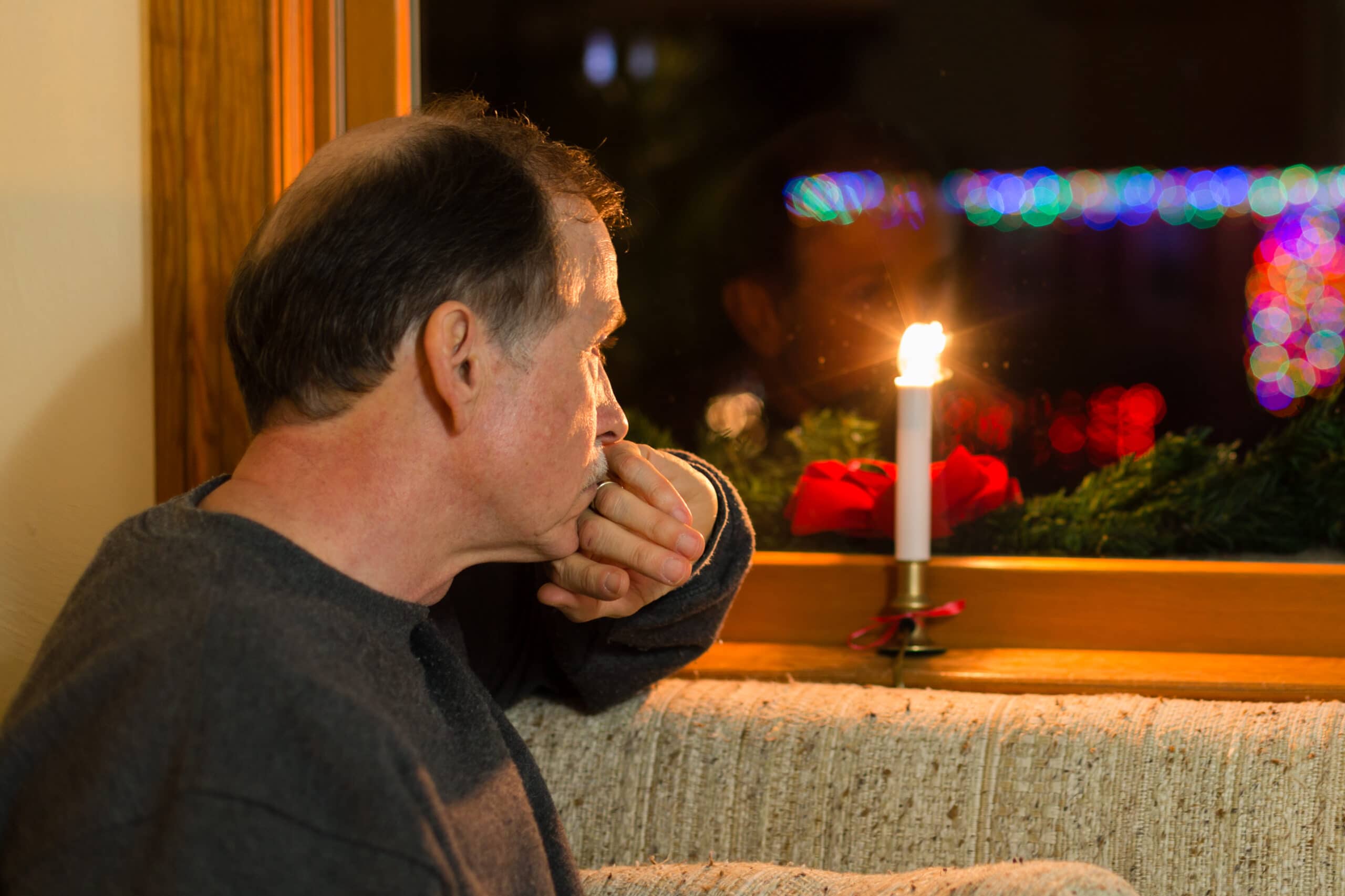
The holidays arrive each year wrapped in ribbons of nostalgia, music, gatherings, and celebration. But for those who are grieving, this season can feel less like “the most wonderful time of the year” and more like an emotional obstacle course. Bright lights can intensify the shadows. Joyful songs can amplify the silence. Festive moments can sharpen the memory of the one who is no longer with us.

Grief is never easy, but during the holidays it can feel heavier, louder, and more relentless. According to the American Psychological Association, 38% of adults say their stress increases significantly during the holiday season, and those who are grieving report even higher spikes. Our senses, emotions, and memories all operate on high alert this time of year, which makes grief more vivid and unavoidable.

Author Alan Wolfelt reminds us, “Healing happens when we allow ourselves to mourn.” Not repress. Not deny. Not avoid. Not power through. Allow.

So what can help us navigate the holidays when our hearts are hurting?

Here are a few practices that offer hope, clarity, and gentle strength along the way.

  • Tend your emotional landscape.

Pretending everything is fine rarely helps. Repressed grief doesn’t disappear; it simply finds another way to surface. In fact, mental health research shows that unaddressed grief can increase the risk of depression, anxiety, and physical illness.

Healthy grieving begins with honest naming: “This is hard. This hurts. This season is different.”

Give yourself permission to feel whatever you feel—whether that’s sadness, numbness, gratitude, anger, or even surprise moments of joy.

  • Think of your grief like a holiday “app update.”

Your smart device doesn’t operate the same way after a major software update. Familiar screens move. Icons shift. Some features no longer exist. Others appear for the first time.

Grief works similarly. The internal operating system of your life has changed, and the holidays—full of rituals and memories—highlight that change.

Be patient as you give yourself time to adjust to this “new version” of life.

  • Let memories be a bridge, not a burden.

Tell the stories. Look at the photos. Cook the favorite recipe. Share the funny moments.
Memories don’t have to reopen wounds—they can help stitch them. Storytelling is both therapeutic and sacred; it transforms absence into presence, even if just for a moment.

As one writer noted, “Grief is love with no place to go.” The holidays give that love a place to land.

  • Create new rituals of commemoration.

Hang an ornament that honors your loved one. Set aside a moment at dinner to light a candle in their memory. Donate to a cause they cared about.

Even a small ritual can become a lifeline—something that grounds you, centers you, and reminds you that love doesn’t end.

  • Don’t walk the holiday journey alone.

Isolation intensifies grief. Community softens it.

Protect your alone time. Be faithful to your quiet time. But be intentional about spending time with friends, even if at first you don’t feel like it. Attend a Blue Christmas service. Gather with people who understand.

The National Alliance on Mental Illness reports that supportive social connection significantly reduces the emotional burden of grief, especially this time of year.

Don’t force yourself to be overly cheerful. Just being with a small group of friends who care about you, and whom you care about, can be like a soothing ointment for your soul.

  • Make room for both grief and grace.

The goal is not to “get over” grief before the holidays arrive—it’s to make space for grief and grace to coexist.

Your grief isn’t going away anytime soon. And griefs tends to be a more frequent guest during the holidays. Some moments will sting. Others will surprise you with peace.
Let both be welcome.

In the words of Henri Nouwen: “Joy does not simply happen to us. We have to choose joy and keep choosing it every day.”
Even in grief, joy can appear in tender, quiet moments—unexpected, but real.

  • Let the Light be your guide, especially in your dark moments.

Yes, people of grounded faith can be shaken, even overwhelmed at times, by the deep darkness of grief. Although the holiday season doesn’t erase grief, the Light of Christ can illuminate a path through it.

This year, as you navigate the mix of sorrow and celebration, remember:
You are not weak because you grieve.
You are not alone because you hurt.
And you are not without hope.

The message of this season—Emmanuel, “God with us”—is especially for the weary, the wounded, and the grieving.

May you find moments of calm, courage, and comfort. And may the Light shine gently on your path, even in the lingering shadows.

Honest Conversations About Grief: 7 Suggestions for Navigating the Emotions Associated with Loss

Grief is an inevitable part of the human experience—an emotional upheaval that accompanies loss. Whether it’s the passing of a loved one, the end of a cherished relationship, or the loss of a job or a dream, grief takes many forms throughout our lives. As Orson Scott Card observes, “Life is full of grief, to exactly the degree we allow ourselves to love other people.”

Although grief is a universal emotion, it remains one of the most difficult to discuss. In a culture that often avoids uncomfortable topics, honest conversations about grief are vital. They help foster healing, build understanding, and provide comfort to those navigating the depths of sorrow.

Grief is multifaceted and deeply personal. It can be unpredictable, chaotic, and different for each person. That’s why it’s important to remember: there is no “right” way to grieve.

Some experience intense emotions immediately; others need more time to process. There is no timetable for healing, and individuals should feel free to grieve at their own pace—without judgment or pressure.

Draw on the Strength of Faith and Community

Faith does not exempt us from grief, but it can equip us to grieve in healthy, hope-filled ways. A supportive faith community can offer comfort, presence, and a reminder that we do not walk this path alone. For those without a faith foundation or a circle of support, grief can feel especially devastating.

Acknowledge Your Grief

Don’t bottle it up or push it aside. Our society often suggests that grief should be handled privately, behind closed doors. This mindset can isolate the grieving, leaving them feeling alone and reluctant to seek help. Open dialogue is essential.

As Richard Rohr wisely says, “You cannot heal what you do not acknowledge, and what you do not consciously acknowledge will remain in control of you from within, festering and destroying you and those around you.”

Maintain an Attitude of Empathy and Respect

Empathy is the key to honest conversations about grief. It allows us to acknowledge another’s pain without trying to fix it or explain it away. Grief can feel overwhelming, and sometimes, the most helpful response is simply listening.

Avoid clichés and platitudes. While well-intended, phrases like “time heals all wounds” or “they’re in a better place” can minimize the person’s pain. A sincere “I’m here for you” or the gift of quiet presence often speaks more powerfully.

Give Yourself and Others the Grace and Space to Grieve

One of the greatest gifts we can give someone who is grieving is the grace to grieve in their own way and the space to express it freely. Safe spaces—whether in support groups, counseling settings, or among friends and family—allow individuals to share their grief without fear of criticism or dismissal.

Help Destigmatize Grief

Societal expectations to “stay strong” or “move on” can stigmatize grief, making people feel ashamed of their pain. Honest conversations help dismantle these barriers, reassuring the grieving that they are not alone.

Encourage Professional Support When Needed

While the support of friends and family is crucial, some may need professional guidance to process their grief. Gentle encouragement toward counseling or therapy can be part of a healthy response to grief. Trained professionals can offer tools and perspective to help navigate loss.

Offer Support—Not Fixes

Supporting someone in grief isn’t about offering advice or solutions. It’s about being a steady, compassionate presence. Here are a few practical ways to support someone:

  • Be present: Simply showing up and staying nearby, even in silence, can provide great comfort.
  • Listen actively: Give them space to share memories, emotions, and struggles without interruption.
  • Validate their feelings: Let them know their emotions are normal and that it’s okay to grieve.
  • Offer practical help: Grief can be exhausting. Small acts of service—like preparing a meal or running errands—can ease the burden.
  • Respect the journey: Everyone grieves differently. Avoid imposing timelines or expectations.

Honest conversations about grief are crucial for healing. When we create safe, empathetic spaces for others to speak openly about their pain, we help dispel the stigma around grieving and foster a more supportive, compassionate community.

As Sarah Bessen writes, “Grief can be a burden, but also an anchor. You get used to the weight, how it holds you in place.” Healthy grief doesn’t erase the pain—but over time, it can ground us, gradually guiding us from emotional upheaval toward a place of greater stability.

(Barry Howard is a retired pastor who currently serves as a leadership coach and columnist with the Center for Healthy Churches.)

(Updated column from 2023)

When the Holidays Hurt: Navigating Grief During a Season of Joy

The holiday season is often described as “the most wonderful time of the year.” It’s a time for festive décor, family gatherings, and joyful celebrations. But for those who are grieving, this season can feel like a sharp reminder of what–or who–is missing. The colorful lights, cheerful music, and holiday gatherings can be bittersweet, amplifying the ache of loss.

Grief is challenging to deal with at any time of the year, but during the holidays, grief can be deeper, darker, and more unpredictable than at other times. Why does grief seem to turn up the volume during the holiday season?

I think there are at least three reasons that grief is more amplified from Thanksgiving through Christmas. First, the nostalgia surrounding the holidays and other special occasions prompts us to recall memories more readily. Second, these events tend to frame the absence of our loved ones. For example, a chair that was occupied at the family table may be vacant this year. And third, we tend to be more emotive during the holidays. Our sensory capacity is thrust into high gear.

Richard Kauffman suggests, “There is no right or wrong way to handle the holidays. You are in complete control of your plans as to what you will do during this time of the year.”

Since grief is more pronounced during the holiday season, how can we best deal with it? Too often our human tendency is to repress grief under the guise of being strong. However, repressed grief becomes toxic and can lead to depression or illness. It’s better to confront grief head-on. Here are ten helpful ways to navigate holiday grief:

  • Proactively prepare for holiday grief. Don’t avoid it or deny it. Engage it. The best therapy for grief is to grieve. Give yourself permission to feel your emotions, whether it’s sadness, anger, or even moments of unexpected joy. Ignoring grief won’t make it go away, but naming it can help you process it.
  • Do a soft re-set on your holiday traditions. Determine which traditions to keep and which to eliminate. And start at least one new tradition. Since grief has a way of reconfiguring life, relationships, and family, embrace a new configuration by beginning at least one new tradition.
  • Highlight a favorite event or experience of your loved one. Choose something that was a favorite food, game, song, or activity of your departed loved one, and find a way to highlight it during the holidays. For example, if they loved driving around to see Christmas lights, do it this year in memory of them. If they loved coconut cake, make one and have everyone try a bite.
  • Be creative in “work arounds.” Let’s say that Grandpa always read the Christmas story after dinner from his recliner. It may be too emotional for the family to have someone else read the Christmas story from Grandpa’s recliner. Consider having one or more of the grandchildren read the Christmas story before dinner around the dinner table.
  • Plan a strategic holiday memorial gift. For example, if Grandma was in a mission group and supported the Christmas Mission Offering, plan for the family to each give a gift to the mission offering in her memory. If Grandpa served on the Properties Committee at church, consider a gift toward campus improvement in his memory. Plan the gift to correspond to one of the passions of your departed loved one.
  • Tell lots of stories. For years I’ve encouraged families to continue “to treasure the memories and tell the stories” as a way to process grief. Stories are therapeutic, for sure. But they are also formational and nurturing. One reason genealogies are included in the Bible is because stories of our ancestors help shape our identities.
  • Write a letter to your departed loved one. In the letter tell them what you are feeling during the holidays. Then read the letter aloud as though the departed friend or family member is in the room with you. We think and we speak with different sides of the brain. To reflect, write, and then speak what you have written is healthier and more holistic than simply writing it down. It’s your choice whether to keep the letter confidential or to share it with other family members.
  • Continue the conversation. Most of us tend to continue an internal dialogue with our departed loved ones after they are gone. Sometimes it involves a gut-wrenching confession such as, “Daddy, there are so many things I wish I had told you.” Much of the time it is something as simple as, “I sure do miss you.” And of course, such a dialogue may include good humor such as, “The lights at the top of the tree have gone out again, and I suspect you may have had something to do with that.” It is important during the holidays to keep the conversation going, and maybe even rev it up a bit.
  • Designate moments for quiet and solitude. Be careful not to withdraw into a cocoon of isolation. But likewise, be careful not to bury your grief in a flurry of holiday events and activities.
  • Participate in holiday services at your church. The Christmas story itself is one of hope born in the midst of hardship. The birth of Christ is a reminder that God is with us, even in our darkest times. Emmanuel–“God with us”–is a powerful promise for those who are grieving. Lean into the deeper meaning of the season, finding comfort in the assurance that God understands your sorrow and walks with you through it.

Healthy expressions of grief include finding the right balance of tears and laughter, of connecting and disconnecting, and of lamentation and celebration. And remember, not every member of the family grieves in the same way or at the same pace. Allow space for family members to grieve in their own way.

There’s no doubt the weight of grief can be heavier during the holidays. But the holidays also present great opportunities for finding positive and proactive ways to deal with your grief.

Dr. Alan Wolfelt cautions, “Don’t assume that your holidays will be totally miserable this year. Yes, if you are actively mourning, you will experience pain and sadness. But if you spend time in the company of people you love, you may also experience moments of great joy and hope.”

Grieving during the holidays is never easy, but it’s a journey you don’t have to walk alone. Be gentle with yourself, embrace the support of others, and look for ways to honor both your grief and the hope of the season. Even in a time of sorrow, there is room for moments of hope, peace, joy, and love.

This year, as you navigate the holidays, you may discover that you can experience grief and hope simultaneously, and that the light of Christ shines brightest in our seasons of darkness.

(Barry Howard is a retired pastor who currently serves as a leadership coach and columnist with the Center for Healthy Churches. He and his wife reside on Cove Creek in northeast Alabama.)