Memorial Day is more than a three-day weekend or the unofficial start of summer. It’s a sacred invitation to pause, reflect, and remember. In a culture that moves at the speed of a scrolling screen, practicing the discipline of remembering has become both countercultural and essential.
This day, set aside to honor those who have given their lives in service to our country, invites us into something deeper than nostalgia. It calls us to gratitude and beckons us to learn from the past.
When we fail to remember the sacrifices of those who came before us, we succumb to a convenient amnesia that gradually robs us of the freedoms we cherish. To fail to remember creates a contagious apathy that leads to a neglect of both our responsibility and our citizenship. To fail to remember can produce a false sense of security and an inaccurate perception that we are exempt from dictatorship and autocracy. If for no other reason, we should remember in order to guard against what George Washington called “the impostures of pretended patriotism.”
As we observe Memorial Day, here are five reflections about the importance of remembering:
- Remembering is a sacred act. Throughout Scripture, God’s people are called to remember. “Remember the wonders He has done,” the psalmist writes (Psalm 105:5). Jesus, at the Last Supper, told his disciples, “Do this in remembrance of me.” Remembering anchors us. It shapes our identity. It gives context to our present and guidance for our future.
- Remembering reminds us our freedom was not free. The liberties we enjoy come at a cost. Franklin D. Roosevelt cautioned, “Those who have long enjoyed such privileges as we enjoy forget in time that men have died to win them.” Memorial Day reminds us that peace is preserved by those willing to risk—and sometimes give—their lives. Honoring the fallen should stir in us a sense of responsibility to live in a way that upholds the values they died defending.
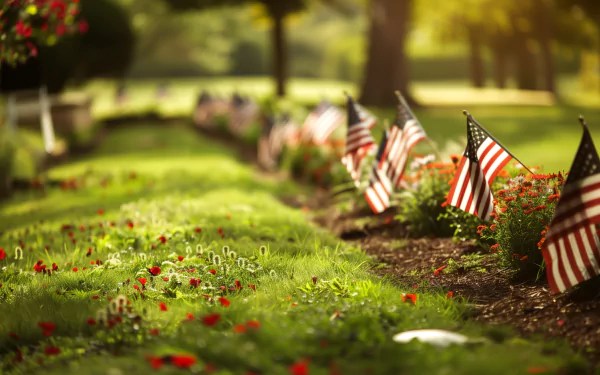
- Remembering evokes both grief and gratitude. For many, Memorial Day carries deep personal loss. It’s not just a day of flags and flowers—it’s a day when grief resurfaces. And yet, gratitude finds space there too. As one veteran said, “We don’t remember them because they died. We remember them because they lived.” Their stories of courage and selflessness inspire us to live with more purpose and compassion.
- Remembering can shape us for the better. When we take the time to remember, we grow in empathy. We honor courage. We rediscover our shared humanity. And we are reminded that our freedom, our peace, and our way of life are built on the backs of those who stood in harm’s way for the sake of others. We are also inspired to protect and preserve freedom for those who come after us.
- Remembering prompts us to pass the memories along to the next generation. Ronald Reagan cautioned, “Freedom is never more than one generation away from extinction. It must be fought for, protected, and handed on for them to do the same.” Our children and grandchildren won’t understand the meaning of Memorial Day unless we tell the stories. Visit a veterans’ cemetery, attend a memorial service, or share the history of someone in your family or community who served. Let them see remembrance in action.
This Memorial Day, let us do more than enjoy a day off. Let us pause. Let us give thanks. Let us reflect on the cost of the liberties we enjoy. Let us teach our children the stories of valor and sacrifice. And let us recommit ourselves to building a world worthy of the lives that were given.
John F. Kennedy insisted, “As we express our gratitude, we must never forget that the highest appreciation is not to utter words, but to live by them.”
Kennedy’s words seem even more relevant today. It’s not enough to say thank you—we must live in a way that honors the gift. Memorial Day challenges us to turn remembrance into action: by serving others, standing up for justice, and living with integrity.
(Barry Howard is a retired pastor who currently serves as a leadership coach and consultant with the Center for Healthy Churches. He and his wife reside on Cove Lake in northeast Alabama.)

 Cove Creek Reflections