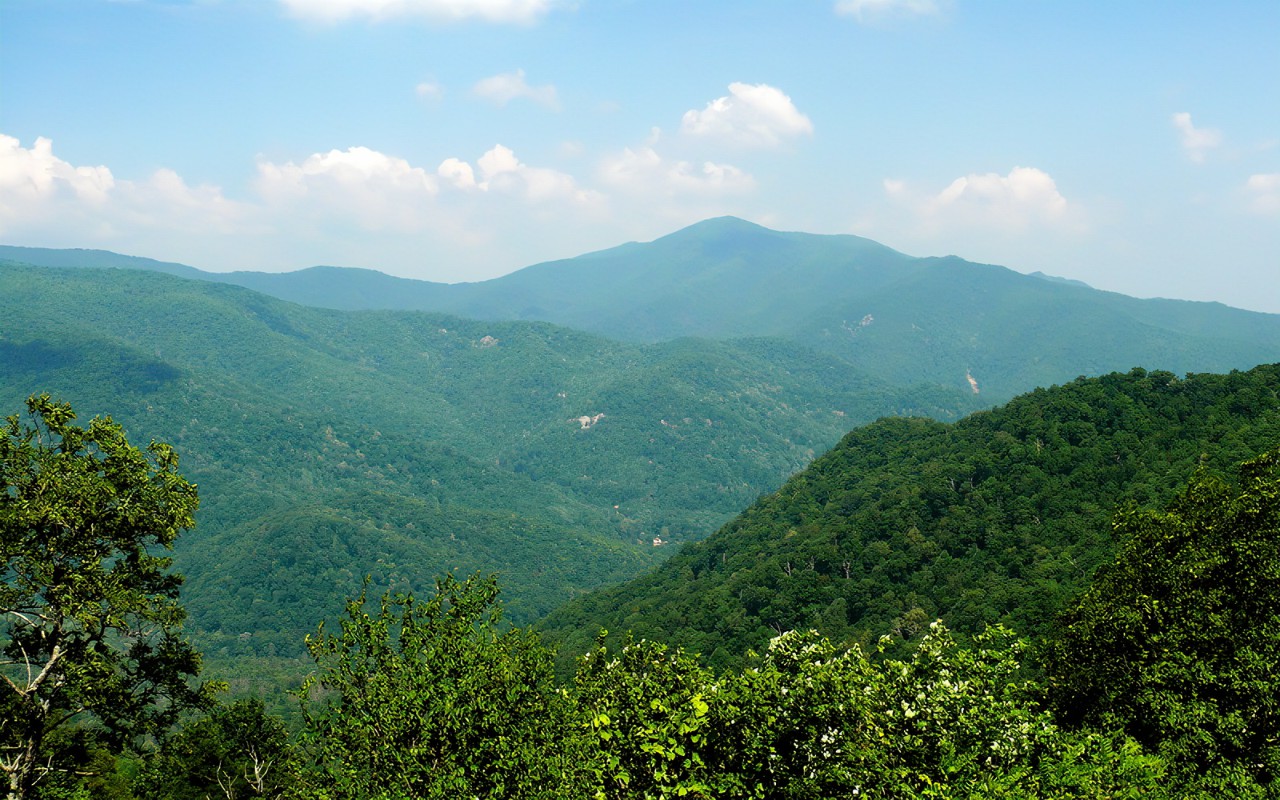
It’s been almost 20 years since my first visit to Springdale Golf Course. On my first trip there, the starter pointed toward a nearby mountain peak and said, “That’s Cold Mountain.” Then he cast his hand across the panorama of the community and added, “And this is where the story took place.”
Yesterday, I joined a group of friends at what is now the Springdale Golf Resort. I recalled my first introduction to Cold Mountain, and I revisited the progression of how the story, the novel, and the movie evolved.
Rising over 6,000 feet in the Pisgah National Forest of western North Carolina, Cold Mountain is a peak rich with both natural beauty and cultural significance. Located about 15 miles southeast of Waynesville, its rugged slopes have watched over centuries of Appalachian life. Long before it became famous in literature and film, Cold Mountain was home to Cherokee hunters, later to pioneer families who farmed its foothills, and eventually to soldiers who marched off to fight in the Civil War.
It was that Civil War heritage that inspired Charles Frazier’s 1997 novel, Cold Mountain. Frazier, a native of the region, based the story loosely on family history and local lore. His tale follows W.P. Inman, a wounded Confederate soldier who deserts the battlefield and makes a dangerous trek homeward. His journey mirrors the experiences of many disillusioned soldiers of the time, while his beloved Ada Monroe, left behind to manage her late father’s farm, embodies the resilience of Appalachian women. The novel, steeped in historical detail and place-based authenticity, went on to win the National Book Award and cemented Cold Mountain’s place in American literary imagination.
Hollywood soon took notice. In 2003, director Anthony Minghella adapted the novel into the film Cold Mountain, starring Jude Law, Nicole Kidman, and Renée Zellweger. While the story is set in Haywood County, North Carolina, the filmmakers chose Romania as the primary shooting location. Why Romania? Its unspoiled landscapes better resembled the 19th-century Appalachians than the modernized North Carolina mountains, and the cost of filming abroad was considerably lower. Still, the production team worked hard to capture the spirit of the Blue Ridge, consulting historians and even drawing on Appalachian music traditions for the soundtrack, which featured performances by Alison Krauss and Jack White.
The film proved a success, grossing over $173 million worldwide and receiving seven Academy Award nominations. Renée Zellweger won the Oscar for Best Supporting Actress for her unforgettable role as the feisty Ruby Thewes. Beyond the accolades, the movie rekindled interest in the real Cold Mountain, drawing visitors from around the world who wanted to glimpse the peak that inspired the novel and film.
Today, Cold Mountain remains a powerful symbol. It can be summited only by a strenuous 10.6-mile hike via the Art Loeb Trail, but it can also be admired from overlooks along the Blue Ridge Parkway. Whether encountered on foot, in the pages of Frazier’s novel, on the silver screen, or viewed from the nearby golf course, Cold Mountain continues to evoke themes of perseverance, homecoming, and hope. It is both a real place and an inspiring narrative, a reminder that local folks in local communities have some of the best stories to tell.
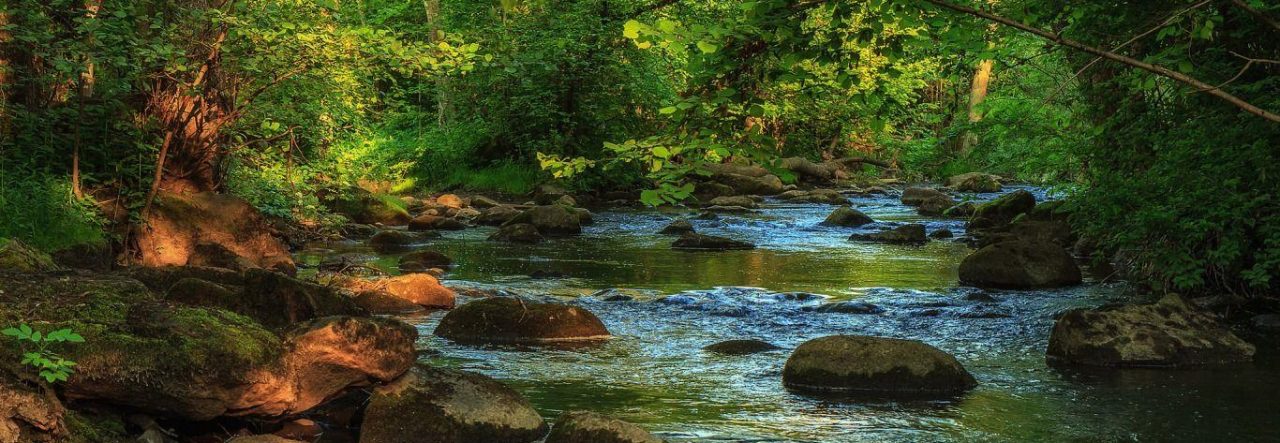
 Cove Creek Reflections
It’s also one of my favorite reads. And it’s interesting that the book is Frazier’s first write, done with his style of writing using period- less sentences! I hope this beautiful Pisgah area was spared damage from the storm.