
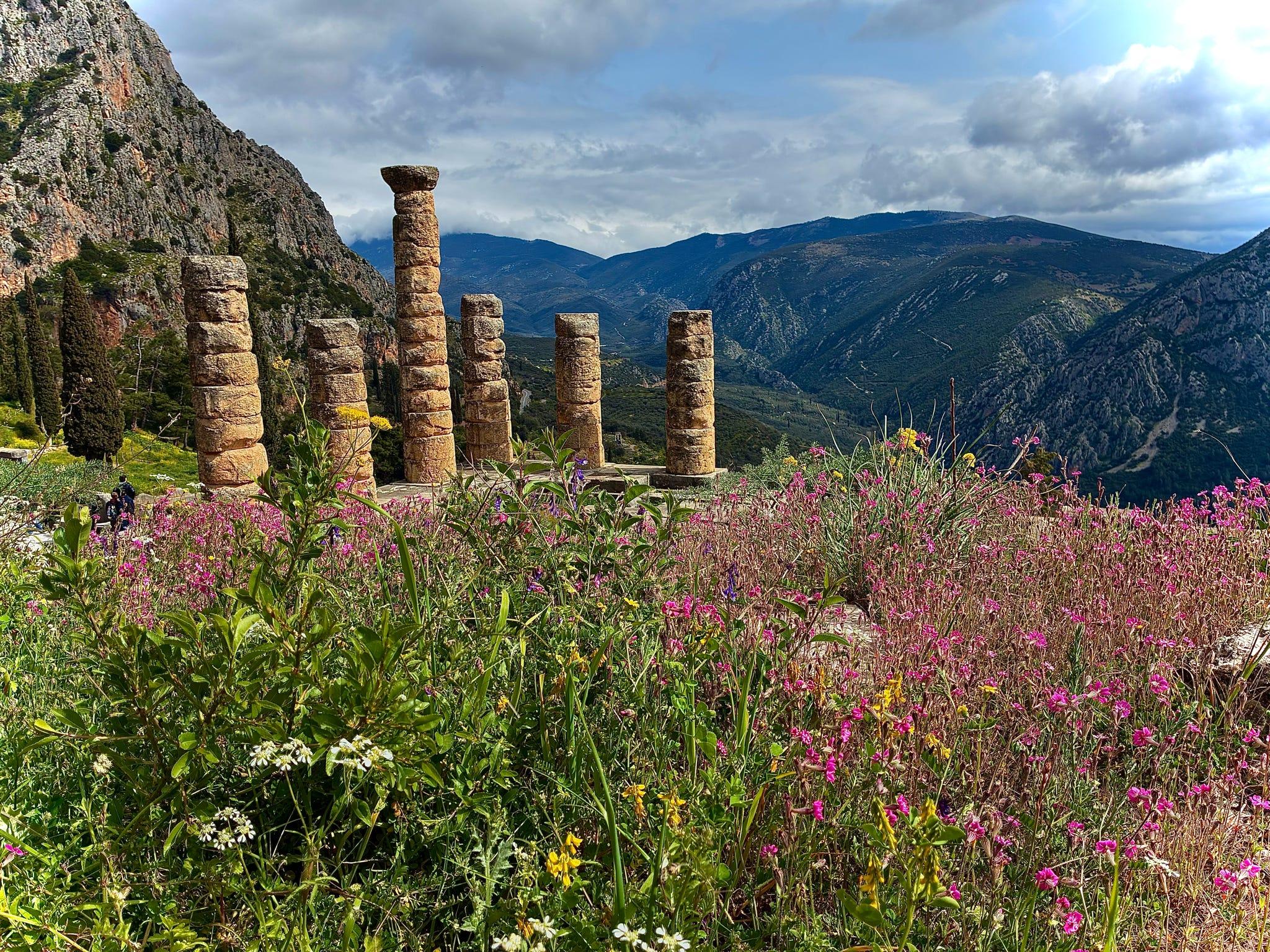
In his first epistle to the Corinthians (11:1), Paul urged the believers to, “Follow my example, as I follow the example of Christ
There is something transformative about walking where the apostle Paul once walked—standing in the shadows of ancient cities, tracing the roads of his missionary journeys, and imagining the courage it took to carry the gospel into unfamiliar and often hostile places.
All the members of our travel group arrived home safely yesterday after our 12-day tour following the footsteps of Paul.
From Thessaloniki to Philippi, from Berea to Athens—and even reflecting on the missed opportunity to visit Ephesus and Patmos—this journey has deepened our understanding of Paul’s life, ministry, and message.
Here are ten things we learned about Paul while following in his footsteps:
1. Paul went where the people were.
In every city, Paul positioned himself where conversations were already happening—synagogues, marketplaces, and gathering places. In Areopagus (Mars Hill), he engaged philosophers in thoughtful dialogue (Acts 17).
Paul practiced the words of Jesus from Mark 16:15: “Go into all the world and preach the gospel to all creation.”
Paul reminds us that mission begins where people already are.
2. Paul adapted his approach without compromising his message.
In Jewish settings, Paul reasoned from Scripture. In Athens, he quoted Greek poets and connected with their worldview.
As John Stott once said, “We must be global Christians with a global vision because our God is a global God.”
Paul met people where they were—but always pointed them to Christ.
3. Paul faced opposition almost everywhere he went.
In Thessaloniki and Philippi, he encountered resistance, imprisonment, and persecution (Acts 16–17).
Perhaps it was because of experiences like this that Paul wrote to young Timothy, “Everyone who wants to live a godly life in Christ Jesus will be persecuted.” (II Timothy 3:12)
Faithfulness does not guarantee ease, but it does produce endurance.
4. Paul invested in people, not just places.
In Berea, he encountered believers who eagerly studied the Scriptures (Acts 17:11). His ministry was never about checking locations off a map—it was about nurturing lives.
The historian Will Durant once observed, “A great civilization is not conquered from without until it has destroyed itself from within.” Paul knew that transformed people shape transformed communities.
5. Paul trusted God in uncertain circumstances.
Whether traveling dangerous roads or enduring imprisonment, Paul moved forward in faith.
Paul believed that God’s presence and purpose were persistent. “And we know that in all things God works for the good of those who love Him.” (Romans 8:28)
Even when plans change—like our missed stops in Ephesus, Patmos, and Santorini—God’s purposes are still at work.
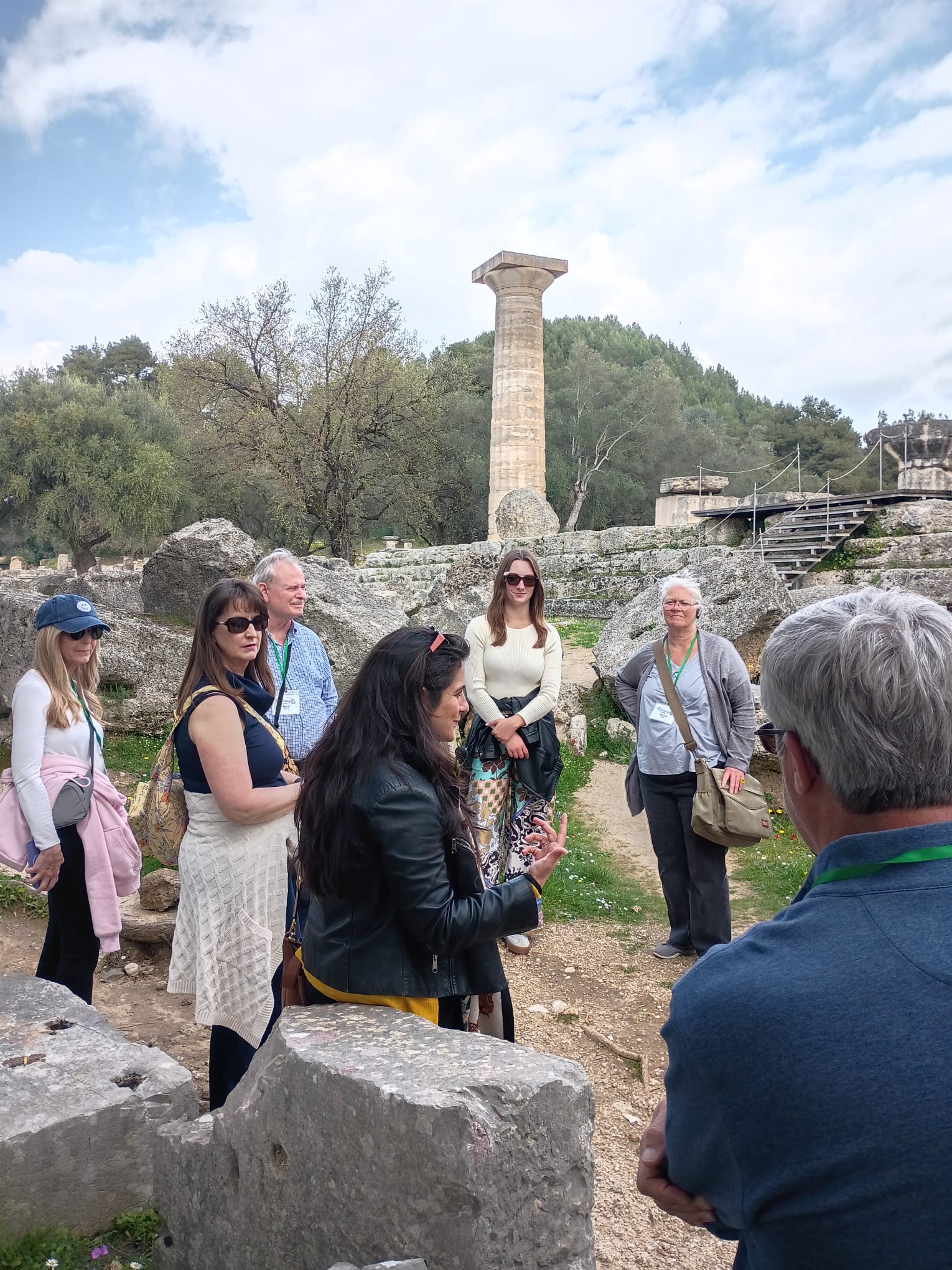
6. Paul proclaimed a bold and relevant gospel.
Standing in a culture filled with idols, Paul did not dilute the truth. But neither did he aim to offend. He dialogued with others at their point of need and their level of understanding. At Mars Hill, he proclaimed the one true God (Acts 17:24).
As C.S. Lewis wrote, “Christianity, if false, is of no importance, and if true, of infinite importance.”
Paul preached a gospel that invited deeper thought and an informed response.
7. Paul saw every city as a mission field.
From bustling ports to intellectual centers, Paul viewed each location as an opportunity. Athens, with all its philosophy and culture, was no exception.
David Livingstone later wrote, “Here is a plain truth: God calls us to go where He is not known.”
No place was too complex, too pagan, or too resistant.
8. Paul built bridges through common ground.
In Athens, Paul referenced an altar to an unknown god and used it as a starting point (Acts 17:23).
This approach reminds us that connection often precedes conversion.
9. Paul left a lasting legacy through his letters.
Though we could not walk the streets of Ephesus, Paul’s letter to the Ephesians continues to shape the church today. Whether writing from his sojourn or a prison cell, Paul’s correspondence was practical, contextual, and encouraging.
Although Paul did not know his correspondence would end up in the New Testament, Paul believed, “All Scripture is God-breathed and is useful for teaching…” (II Timothy 3:16)
Paul’s influence extends far beyond geography.
10. Paul’s life pointed others to Christ, not to himself.
Ultimately, Paul’s journey was never about Paul. It was about Jesus.
His daring perspective is summarized in his words, “For to me, to live is Christ and to die is gain.” (Philippians 1:21)
As Augustine of Hippo once said, “You have made us for yourself, O Lord, and our hearts are restless until they rest in you.”
Although we had a few delays and cancellations during our coming and going, this journey was more than a tour—it has been a pilgrimage.
We have stood in ancient cities, traced sacred stories, and reflected on a man whose life was wholly surrendered to God’s mission. Even in the places we could not visit, like Ephesus, the impact of Paul’s ministry remains undeniable.
And perhaps that is the greatest lesson of all: Faithfulness is not measured by where you go, but by how fully you follow.
As we return home, may we carry Paul’s example with us as we aim to live boldly, love deeply, and encourage generously.
Although our journey has ended, our mission continues.
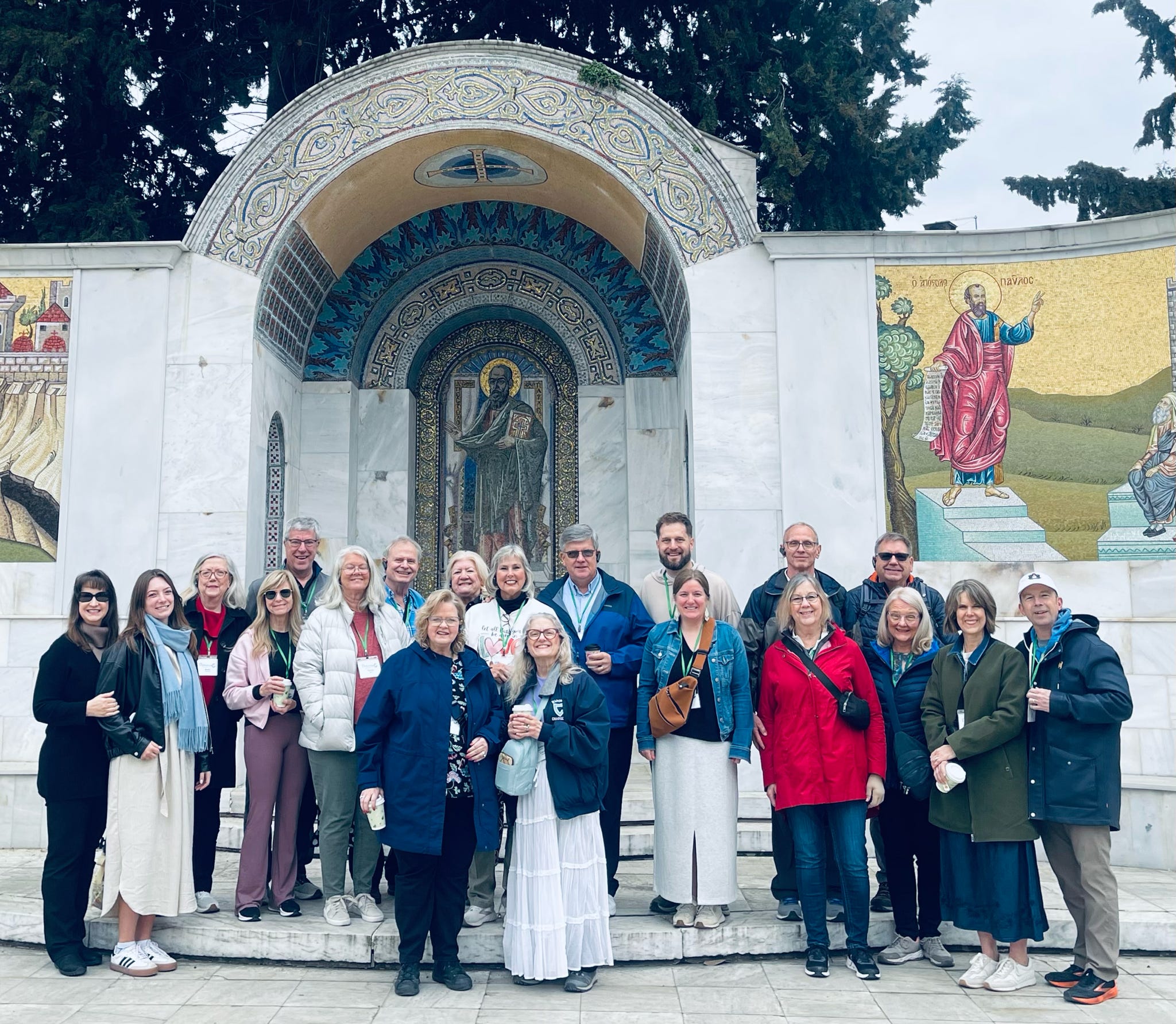
You can follow the journal of this journey at Ancient Footsteps: Highlights from Our Missionary Journeys of Paul Tour 2026.
 Cove Creek Reflections