Pancakes, Pizza, or Pintos: 10 of Our Favorite Places to Eat When Visiting the Great Smoky Mountains

One of the highlights of every trip to the Great Smoky Mountains is deciding where we’re going to eat. Amanda and I have been traveling to the Pigeon Forge, Gatlinburg, and Sevierville area for more than forty years. Through the years, we’ve watched restaurants come and go. Some of our longtime favorites have sadly closed their doors, while many newer establishments have opened that we have not yet had the opportunity to try.

One thing hasn’t changed: we generally prefer locally owned restaurants over national chains. We enjoy discovering places with personality, history, and friendly service. Mountain hospitality is still alive and well in East Tennessee, and we’ve experienced it time and time again around the dinner table.

Here are ten of our favorite places to eat (in no particular order) near the Great Smoky Mountains:

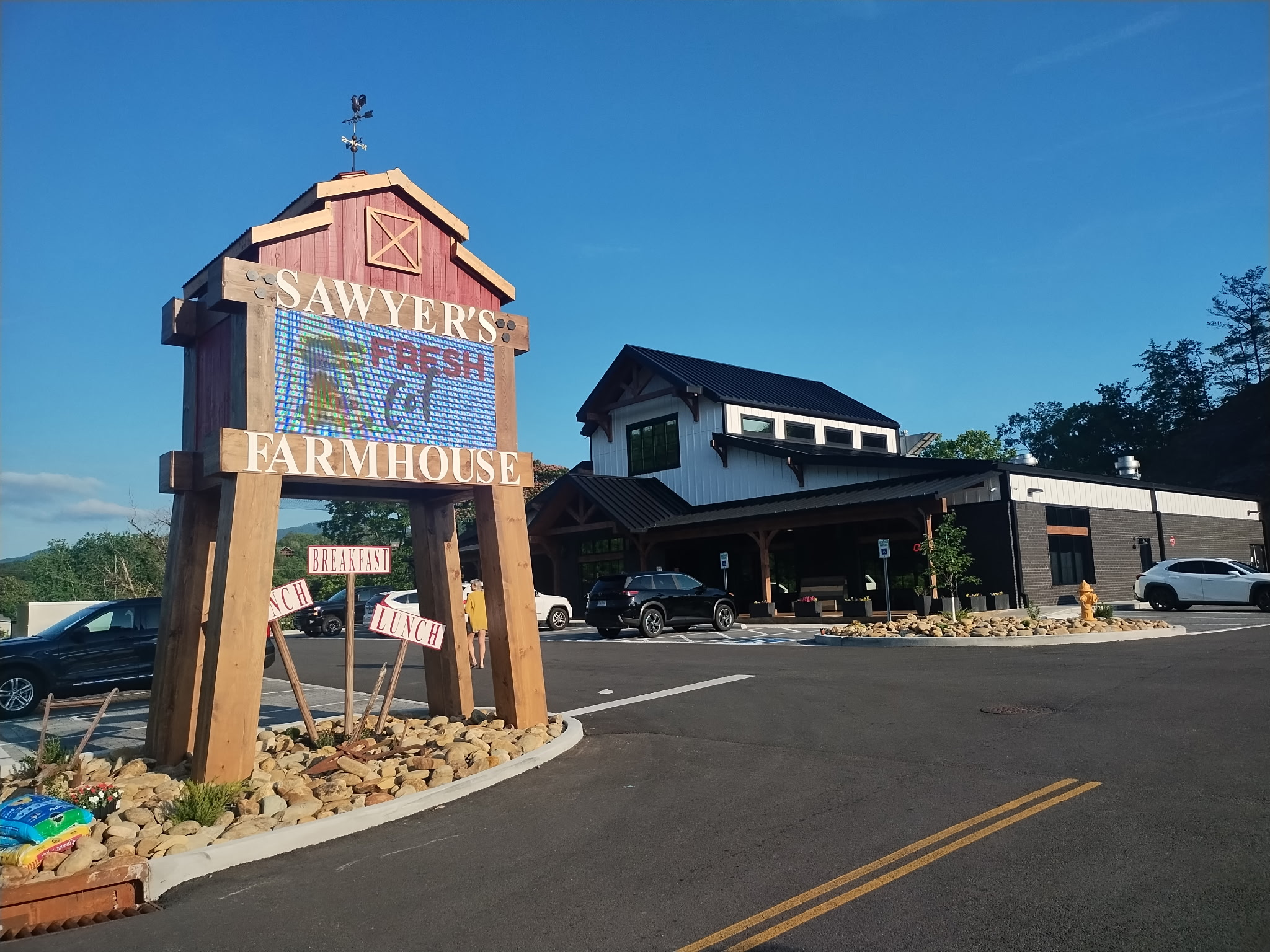
  • Sawyer’s Farmhouse Restaurant (Pigeon Forge)

If you’re looking for breakfast, this is our favorite place to start the day. The pancakes are legendary, the portions are generous, and the service is consistently excellent. This week we visited Sawyer’s new location on Wear’s Valley Road, which offers the same good food and service as the location on the Parkway. Whether you prefer a hearty country breakfast or a short stack of pancakes, Sawyer’s is dependably delicious.

  • Best Italian Café & Pizzeria (Gatlinburg)

When we’re craving Italian food, this is usually our first choice. Nestled among the shops on the south end of Gatlinburg, Best Italian offers delicious pizza, pasta, garlic rolls, and a relaxed atmosphere. After a day of walking around town, or after returning from a scenic drive in park, Best Italian is a great stop for dinner.

  • The Old Mill Restaurant (Pigeon Forge)

No list of Smoky Mountain favorites would be complete without The Old Mill. The historic setting, Southern cooking, homemade breads, and old-fashioned charm make this one of the most iconic dining experiences in the region. We especially enjoy introducing first-time visitors to this Smoky Mountain tradition.

  • Owens Restaurant (Dandridge)

Located in Tennessee’s second-oldest town, Owens Restaurant offers excellent food in a comfortable setting. Their lunch menu includes daily “meat and three” specials. They also feature multiple flavors of fried pies in addition to other desserts. Owens may not receive as much attention as some of the restaurants in Pigeon Forge and Gatlinburg, but that’s part of its appeal. It’s one of those places that locals know and visitors are glad they discovered.

  • Captain’s Galley Seafood Restaurant (Dandridge)

Whenever we’re in the mood for seafood, Captain’s Galley is a dependable choice. The portions are generous, the food is consistently good, and the atmosphere is welcoming. We could make meal just off the basket of homemade hushpuppies they bring to every table upon your arrival. Captain’s Galley has become one of our regular stops when we’re passing through Dandridge.

  • The Peddler Steakhouse (Gatlinburg)

For a special meal, it’s hard to beat The Peddler. The riverside location, outstanding steaks, and excellent service make it one of Gatlinburg’s signature restaurants. Their salad bar is bountiful and their bread is served hot out of the oven. It remains one of our favorite places to celebrate a special occasion.

  • Applewood Farmhouse Restaurant (Sevierville)

Applewood combines great food with a unique experience. Every meal begins with their famous apple fritters and apple butter. The country atmosphere and consistent quality keep us coming back year after year.

  • Mel’s Diner (Pigeon Forge)

Sometimes you’re simply looking for comfort food and nostalgia. Mel’s Diner delivers both. The classic diner atmosphere, burgers, sandwiches, and milkshakes make it a fun place to enjoy a casual meal.

  • El Paso Mexican Restaurant (Sevierville)

When Mexican food is on the menu, El Paso is one of our favorite choices. The service is friendly, the portions are generous, and the menu offers something for everyone. I tend to favor their fiesta fajitas.

  • The Diner (Sevierville)

The Diner has become another of our favorite stops. The extensive menu means everyone can find something they enjoy, and the classic diner-style atmosphere makes for a relaxed and enjoyable meal. Their daily special might include a specialty burger, a spaghetti platter, or fish and chips.

Part of the joy of traveling is discovering great places to eat. While there are certainly many excellent restaurants throughout the Smoky Mountain region, these ten are just a few of our personal favorites over the years.

What we appreciate most isn’t just the food. It’s the friendly faces, warm hospitality, and local character that make each visit memorable. After more than forty years of visiting the Smokies, we’ve learned that some of the best vacation memories are made around the table.

And who knows? Perhaps on our next trip we’ll discover a new favorite to add to the list.

7 Ways to Minimize Family Drama at Your Thanksgiving Gathering (Or at Least Contain It to Manageable Levels)

Over the years, I have observed that family gatherings during the holidays, especially at Thanksgiving, can be a great opportunity for the family to visit, share highlights of the previous year, and to enjoy a delicious meal. But I have also noted that such occasions can serve as a potential theatre for family drama.

Thanksgiving can be a glorious blend of turkey, dressing, sweet potato casserole, and pecan pie. But Turkey Day can also serve as the annual reminder that every family has at least one person who stirs the pot—literally and figuratively. If your family gatherings resemble a cross between a Norman Rockwell painting and Family Feud, this list is for you.

Here are 7 ways to minimize family drama at Thanksgiving,or at least keep it to the level that doesn’t require professional referees or emergency pie rations:

1. Strategically assign seating like you are planning the Geneva Convention.

Whether your family includes the nephew who loves to “just play devil’s advocate,” or the sister who lives up north and believes every conversation is a debate tournament, strategic seating is essential.

  • Put peaceful people together.
  • Put calmer personalities in the middle
  • Seat the jokester between potentially rival factions.

This is a diplomatic summit, and not just dinner. Think of your table like a diplomatic summit. Your mission is to prevent World War III between those who prefer gravy and those who opt for cranberry sauce.

2. Declare a pre-meal politics ban.

Make a gentle announcement: “Friends, family, and beloved relatives who may or may not test my sanctification… this is a politics-free zone.”

If someone starts drifting in that direction, have a few pre-approved diversion lines ready:

  • “Speaking of election results, did anyone bring dessert?”
  • “Fascinating—pass the gravy!”
  • “Let’s save that conversation for Arbor Day.”

If diversions fail, distract with pie. Pie always wins.

3. Give everyone a job—preferably a safe one.

Idle hands are the playground of unnecessary opinions. Assign tasks.

  • The person who can’t cook? Napkin duty.
  • The one who always shows up late? Butter the rolls—they may still be warm.
  • The family perfectionist? Organize the drink station. And let them color-coordinate to their heart’s content.

A busy family is a calm family.

4. Preemptively hide the board games that cause trouble.

Every family has that game. You know the one.

  • Monopoly: ruins relationships.
  • Phase 10: awakens competitive spirits not seen since the Colosseum in Ancient Rome.
  • Uno: historically responsible for more wars than Europe.

This year, choose something cooperative, like a puzzle. Or a walk. Or staring peacefully at the wall.

5. Establish a “drama-free zone” table rule.

It can be a simple set of guidelines.

  • No gossip.
  • No passive-aggressive comments.
  • No discussing who is “still single,” “still unemployed,” “still gluten-free,’ “still unwed,” or “still without child.”
  • No family wagers on which school Lane Kiffin is going to.

The turkey deserves better than that.

6. Prepare preemptive conversation starters.

Keep a short list of prompting, harmless questions on standby:

  • “What’s one thing you’re thankful for this year?”
  • “What’s a favorite Thanksgiving memory?”
  • “What is the best book, movie, or TV show you’ve enjoyed this year?

These are mostly safe questions.

7. Have at least three emergency exit lines ready.

You’re not fleeing the family—you’re strategically preserving your sanity.

Try:

  • “Excuse me, I think the sweet potatoes are calling my name.”
  • “Hold that thought—I need to check the oven.”
  • “Did someone hear a knock at the door? Let me double-check.”

Gracefully step away. Return with pie.

For almost every family, Thanksgiving gatherings are a blend of gratitude and quirks, tradition and chaos, sweetness and spice, and not just on the dessert table. Family drama may not disappear entirely, but with humor, grace, and a few strategic decisions, you can minimize the meltdowns and maximize the moments worth remembering.

And if all else fails, just keep passing the rolls. People have a hard time arguing when their mouths are full.

Flour Sifters, Ceramic Bowls, Rolling Pins, and Family Traditions: The Legacy of a Hot Buttered Biscuit

This past weekend, my wife baked homemade biscuits for our houseguests. The warm, buttery aroma drifting from the kitchen stirred up a flood of memories. As we gathered to enjoy biscuits, bacon, and eggs, someone commented that many of our grandmothers used to bake biscuits daily—and how some even had a dedicated “biscuit drawer” to store the extras.

That simple observation took me back.

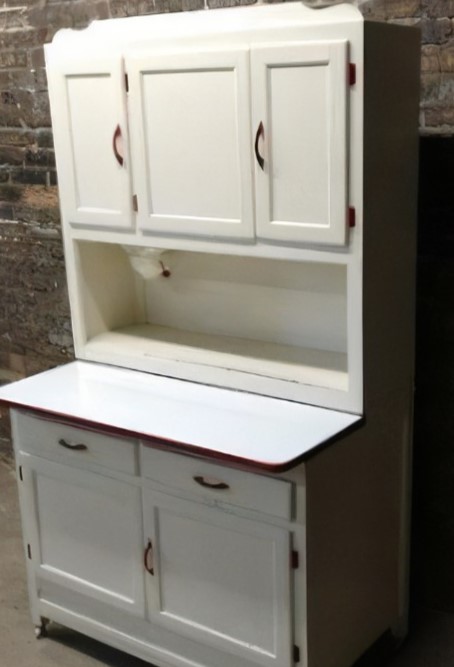
I remember that my Grandmother Howard had a kitchen cupboard with a built-in flour sifter that matched her yellow Formica table—the very heart of her kitchen. Countless stories and meals were shared around that table. Mawmaw, as we called her, made what we jokingly called “choke biscuits” using Gold Medal flour, buttermilk, and lard. Her biscuits were hearty, rustic, and unforgettable.

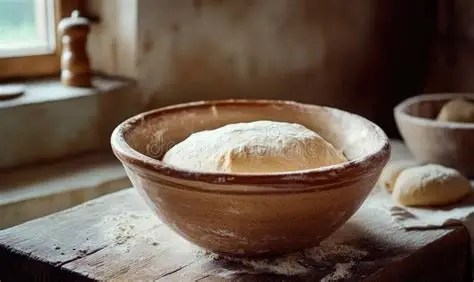
Grandmother Ginn—Big Mama—made hers in a large ceramic bowl with White Lily flour, buttermilk, and Crisco oil. She cut them with a round metal cutter, her motions quick and confident. Neither of my grandmothers had a biscuit drawer, though—because there were rarely any leftovers worth saving.

My grandfather had a deep love for biscuits, often paired with either red-eye gravy or sorghum syrup. He bought syrup in a tin from a mill near Waldo, just outside Talladega, or picked up a jar at Collinsville Trade Day on Saturdays. His red-eye gravy was a Southern classic—made from ham drippings and the last few tablespoons of Red Diamond coffee in the percolator.

History tells us that biscuits weren’t just comfort food—they were survival food. During the Civil War, soldiers often carried “hardtack” biscuits, dry and long-lasting, though lacking flavor. Back home, families learned to stretch their resources, using flour, lard, and buttermilk to make tender biscuits that became a symbol of home and hope. In kitchens across the South, biscuits became both a daily ritual and an expression of care.

When Big Mama later transferred from the Blue Mountain Cotton Mill to the Anniston Army Depot, she started buying Butter-Me-Not biscuits from the IGA on Quintard Avenue. They were okay, but never as good as homemade.

When I reached sixth grade, Big Mama decided it was time I learned the craft. She had me sift flour into a mound, press my finger into the center to form a crater, then fill it with Crisco oil and pour in the buttermilk. I stirred with a fork, kneaded the dough gently on wax paper dusted with flour, flattened it with a rolling pin, and cut out the biscuits. Into the oven they went—350 degrees for 15–20 minutes—rising to golden perfection.

As Rick Bragg reflected on his momma’s biscuits, he reasoned, “Every biscuit does not have to be perfect or uniform on the outside. It was the chemistry not the aesthetics, that mattered. If you had good flour and fresh ingredients and took the biscuits from the oven at just the perfect time, well, ‘it didn’t make much difference if you had a ragged biscuit or two in the batch.’”

It’s been 53 years since those early lessons. Since then, I’ve made thousands of biscuits and even taught a few others how to make them.

These days, when I enjoy a biscuit from Jack’s or the 278 Restaurant—or even from Cracker Barrel, where nostalgia is served alongside sausage gravy—I can’t help but reflect on the sacredness of that biscuit tradition. Food culture has changed, but the hunger for connection and comfort remains the same.

And for me, the best biscuit still comes from Big Mama’s cast iron skillet, topped with either local honey or my wife’s homemade strawberry freezer jam.

Now that’s a feast—and a legacy—worth savoring and passing along.

(Barry Howard is a retired pastor who now serves as a leadership coach and consultant with the Center for Healthy Churches. He and his wife live on Cove Lake in northeast Alabama.)