
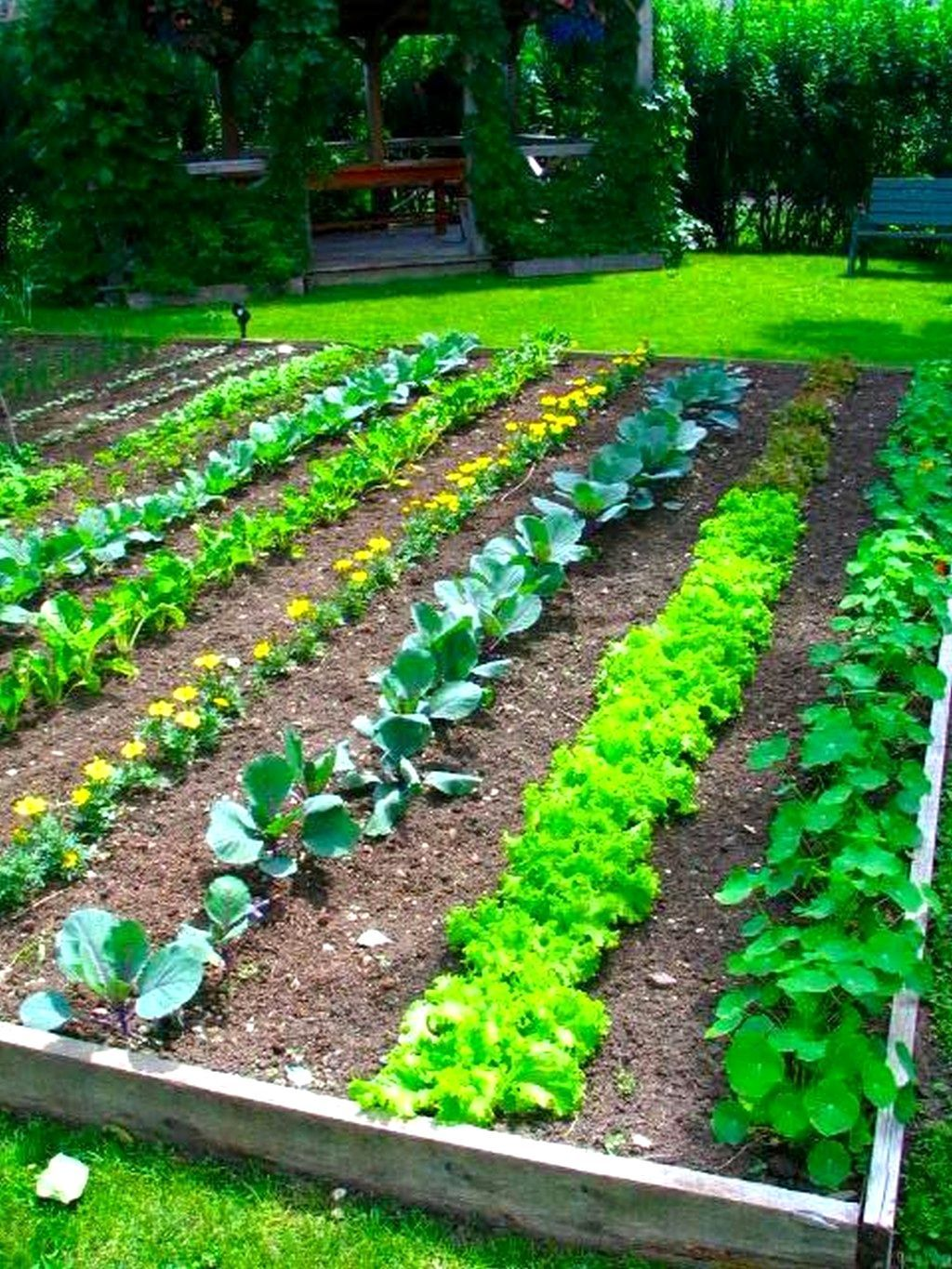
(stock photo)
There is something sacred about stepping into a vegetable garden early in the morning while the dew still clings to the leaves and the soil smells fresh from the night air. A garden is never merely about tomatoes, beans, squash, or cucumbers. It is about hope, patience, stewardship, and joy. Every spring, when seeds disappear beneath the dirt, I am reminded that some of life’s greatest miracles begin unseen.
As English horticulturist Gertrude Jekyll once said, “A garden is a grand teacher. It teaches patience and careful watchfulness.”
Early in our marriage, we had a vegetable garden almost every year. When I retired from full-time work, I decided to cultivate a spot in the corner of the backyard for small garden. Yes, I realize that I can probably purchase vegetables at the farmers’ market for less than the cost of the seed, the tomato plants, the fertilizer, the tiller, and the time invested. But there is something about cultivating the soil and nurturing the plants that makes life richer.
Here are seven reasons I like to have a vegetable garden:
1. A Garden Reminds Me That Growth Takes Time
We live in a microwave culture that demands instant results, but gardens refuse to cooperate with hurry. You cannot rush a tomato plant or bully green beans into growing faster.
Gardening teaches the spiritual discipline of patience. Seeds germinate underground long before visible evidence appears above the soil. That truth applies to life as well. Character, faith, healing, and wisdom often develop quietly before anyone notices.
Years ago, one of our neighbors once planted watermelons. Every morning, his little boy ran outside expecting giant watermelons overnight. His father simply smiled and said, “God grows watermelons one day at a time.” That may be one of the most profound theological statements I have ever heard. Most of the seeds we plant in life do not grow overnight. They need to be cultivated and nurtured over time.
2. A Garden Keeps Me Connected to Nature
There is something grounding about getting your hands in the dirt. Modern life often disconnects us from the rhythms of creation, but gardening reconnects us with the wonder of the natural world.
Naturalist Thomas Berry advised, “Gardening is an active participation in the deepest mysteries of the universe.”
A vegetable garden becomes a front-row seat to miracles: tiny seeds becoming flourishing plants, blossoms turning into food, bees pollinating flowers, and sunlight transforming into nourishment. Gardening reminds us that creation still sings the glory of God.
3. A Garden Improves My Mental and Emotional Health
Researchers increasingly recognize what gardeners have known for centuries: gardening is good for the soul. Recent studies and therapeutic programs show gardening can reduce stress, improve mood, and foster a sense of peace and accomplishment.
During the pandemic, many people rediscovered gardening as a refuge from anxiety and uncertainty. Seed companies sold out because people longed for something living and hopeful.
One friend told me that after difficult days at work, he walks straight to his garden before entering the house. Pulling weeds and watering plants helps him “leave the stress in the dirt.” I understand exactly what he means.
As author May Sarton observed, “Gardening is an instrument of grace.”
4. A Garden Teaches Responsibility and Stewardship
A neglected garden quickly reveals neglect. Plants need attention, nourishment, watering, and care. Gardens remind us that good things flourish when nurtured consistently.
That lesson extends far beyond vegetables. Marriages, friendships, churches, and communities thrive when people faithfully tend them.
During World War II, millions of Americans planted “Victory Gardens” to supplement food supplies and support their communities. By 1944, home gardeners were producing a significant portion of the nation’s vegetables. The movement demonstrated that ordinary people, working small plots of ground, could collectively make an extraordinary difference.
Sometimes changing the world begins with simply tending what is already in front of you.
5. A Garden Gives Me Healthier Food
There is no greenhouse tomato quite like a home-grown Better Boy picked moments before dinner. Garden vegetables simply taste better because freshness matters.
Gardening also changes your appreciation for food. When you have spent months watering, fertilizing, and protecting a plant, you waste less and give greater thanks for every meal.
Chef David Chang noted that gardening connects us to “math, chemistry, reading, history.” I would add gratitude to that list.
A garden reminds us that food is not manufactured in stores. It is cultivated through labor, weather, patience, and grace.
6. A Garden Creates Memories Across Generations
Some of my fondest memories involve gardens: grandparents shelling peas and shucking corn on the porch, children proudly carrying oversized cantelope into the kitchen, families sharing extra vegetables with neighbors.
Gardens have a remarkable way of bringing generations together. Grandparents pass down wisdom. Children learn responsibility. Families create traditions.
One of our great nephews has autism. He also likes to have a small garden. To anyone else it looks like a minor thing. To him, it is therapeutic joy. Gardens teach children the joy of participating in creation rather than merely consuming it.
7. A Garden Gives Me Hope
Every garden begins with faith. You place seeds into dark soil believing life will emerge. That simple act becomes a yearly reminder that endings are not always endings and barren seasons do not last forever.
Writer Alfred Austin beautifully captured it: “The glory of gardening: hands in the dirt, head in the sun, heart with nature.”
A vegetable garden quietly preaches resurrection every spring.
Perhaps that is why I keep planting a small garden year after year. Long after the plants are barren and the vines have withered, the garden leaves behind lessons about patience, stewardship, gratitude, community, and hope.
And honestly, there are few things in life more satisfying than eating a tomato sandwich made from a tomato you grew yourself.
 Cove Creek Reflections