

This past weekend, my wife baked homemade biscuits for our houseguests. The warm, buttery aroma drifting from the kitchen stirred up a flood of memories. As we gathered to enjoy biscuits, bacon, and eggs, someone commented that many of our grandmothers used to bake biscuits daily—and how some even had a dedicated “biscuit drawer” to store the extras.
That simple observation took me back.
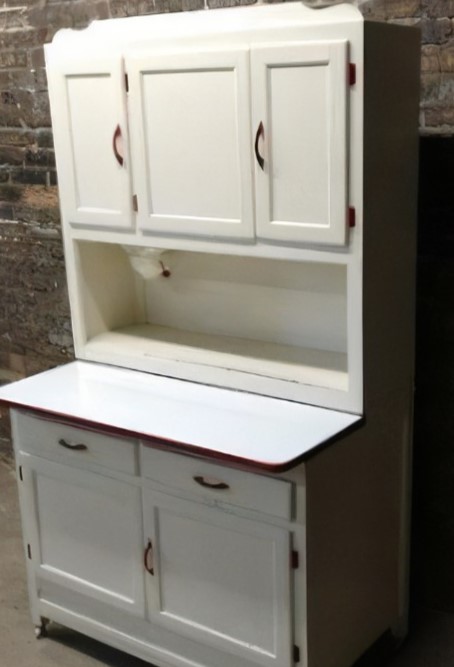
I remember that my Grandmother Howard had a kitchen cupboard with a built-in flour sifter that matched her yellow Formica table—the very heart of her kitchen. Countless stories and meals were shared around that table. Mawmaw, as we called her, made what we jokingly called “choke biscuits” using Gold Medal flour, buttermilk, and lard. Her biscuits were hearty, rustic, and unforgettable.
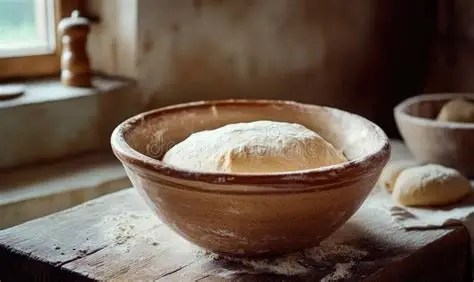
Grandmother Ginn—Big Mama—made hers in a large ceramic bowl with White Lily flour, buttermilk, and Crisco oil. She cut them with a round metal cutter, her motions quick and confident. Neither of my grandmothers had a biscuit drawer, though—because there were rarely any leftovers worth saving.
My grandfather had a deep love for biscuits, often paired with either red-eye gravy or sorghum syrup. He bought syrup in a tin from a mill near Waldo, just outside Talladega, or picked up a jar at Collinsville Trade Day on Saturdays. His red-eye gravy was a Southern classic—made from ham drippings and the last few tablespoons of Red Diamond coffee in the percolator.
History tells us that biscuits weren’t just comfort food—they were survival food. During the Civil War, soldiers often carried “hardtack” biscuits, dry and long-lasting, though lacking flavor. Back home, families learned to stretch their resources, using flour, lard, and buttermilk to make tender biscuits that became a symbol of home and hope. In kitchens across the South, biscuits became both a daily ritual and an expression of care.
When Big Mama later transferred from the Blue Mountain Cotton Mill to the Anniston Army Depot, she started buying Butter-Me-Not biscuits from the IGA on Quintard Avenue. They were okay, but never as good as homemade.
When I reached sixth grade, Big Mama decided it was time I learned the craft. She had me sift flour into a mound, press my finger into the center to form a crater, then fill it with Crisco oil and pour in the buttermilk. I stirred with a fork, kneaded the dough gently on wax paper dusted with flour, flattened it with a rolling pin, and cut out the biscuits. Into the oven they went—350 degrees for 15–20 minutes—rising to golden perfection.
As Rick Bragg reflected on his momma’s biscuits, he reasoned, “Every biscuit does not have to be perfect or uniform on the outside. It was the chemistry not the aesthetics, that mattered. If you had good flour and fresh ingredients and took the biscuits from the oven at just the perfect time, well, ‘it didn’t make much difference if you had a ragged biscuit or two in the batch.’”
It’s been 53 years since those early lessons. Since then, I’ve made thousands of biscuits and even taught a few others how to make them.
These days, when I enjoy a biscuit from Jack’s or the 278 Restaurant—or even from Cracker Barrel, where nostalgia is served alongside sausage gravy—I can’t help but reflect on the sacredness of that biscuit tradition. Food culture has changed, but the hunger for connection and comfort remains the same.
And for me, the best biscuit still comes from Big Mama’s cast iron skillet, topped with either local honey or my wife’s homemade strawberry freezer jam.
Now that’s a feast—and a legacy—worth savoring and passing along.
(Barry Howard is a retired pastor who now serves as a leadership coach and consultant with the Center for Healthy Churches. He and his wife live on Cove Lake in northeast Alabama.)
 Cove Creek Reflections
Good reading!
Sent from my iPhone