Etched in Granite, Towering with Hope: Remembering Our Visit to Ground Zero

Early that Sunday morning, we discovered the quietest spot in what must be our nation’s loudest city.

In 2017, just after I retired as pastor of the First Baptist Church of Pensacola, we visited New York City to attend the U.S. Open.

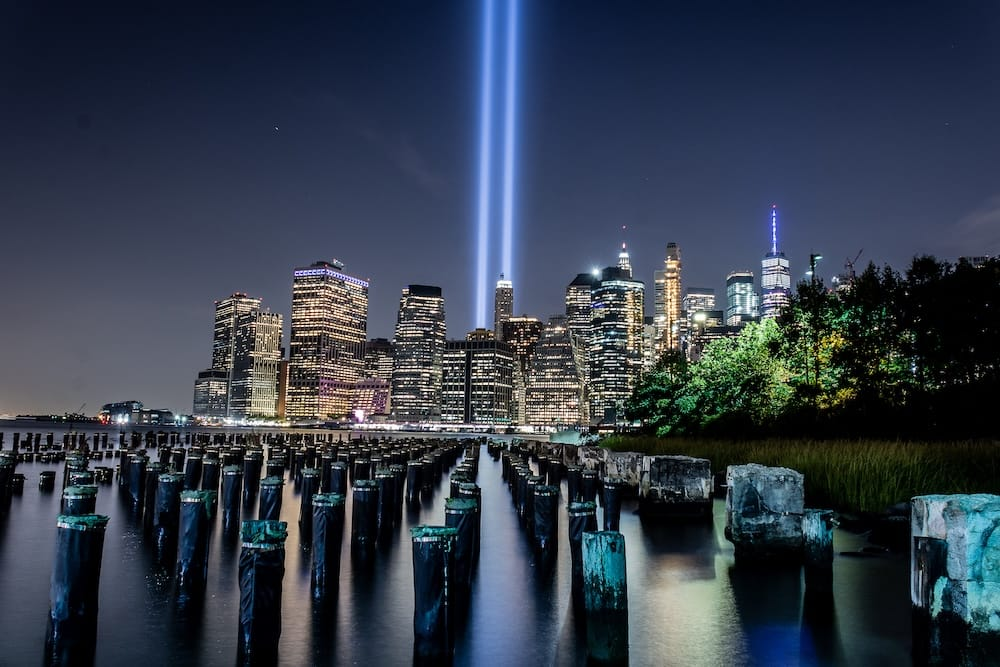
Since our visit was on the weekend of the anniversary of September 11, Amanda and I made our way to Ground Zero. It was my first visit to the memorial. It was her second. Typically, on a Sunday morning, we are in church. But on our final day in New York, we found ourselves in a different kind of sanctuary, one built not of stained glass and pews, but of granite, water, and names.

We read the names, like so many others there, looking for the name of the one from our hometown, and we thought about his mother and his family. And we remembered how life changed on that fateful day for families from large cities and small towns all around our country.

In the news footage of September 11, 2001, alongside the horrifying images of collapsing towers, I vividly remember the masses of people moving away from that site, desperate to escape. On this quiet Sunday morning, sixteen years later, I watched masses of people moving toward that same site — not to escape anything, but to remember and reflect.

Where the Twin Towers once stood, One World Trade Center now rises, crowned with an observatory that seems to keep watch over the city below. At its base rests a reflective pool, water descending endlessly into what feels like the basement of memory itself. Standing there, in the solemnness of that unexpectedly quiet corner of Manhattan, I found myself observing several things I haven’t been able to shake since.

A Congregation of Every Kind of American

The crowd that had gathered represented the vast diversity of our country. Multiple races and ethnicities filled that plaza. I’m sure some were international visitors, taking in the memorial as part of a holiday itinerary. But the vast majority, it seemed, were Americans — Americans of different backgrounds, different religious traditions, and undoubtedly different political convictions. And yet, on that morning, in that place, we were simply Americans. No hyphens. No labels. Just people standing shoulder to shoulder in shared grief and shared gratitude.

Dr. Martin Luther King Jr. preached, “Darkness cannot drive out darkness; only light can do that.”

Whatever darkness gathered over that site on September 11, what we witnessed on this Sunday morning was light — the light of ordinary people extending quiet dignity to one another as they remembered, reflected, prayed, and commemorated together.

Every Name, Equally Important

Every life lost that day was memorialized as equally important. From the firefighter, to the business executive, to the custodian, to the mother and child — the names inscribed around the reflective pools appear in the same font, the same size, with no suggested hierarchy of importance or privilege. No title before a name. No epitaph elevating one story above another.

There is something profoundly spiritual about that. It reminded me that in the eyes of God, every life bears equal worth — not measured by title, income, or accomplishment, but by the simple fact of being made in God’s image. Ground Zero, without necessarily intending to, underscores that truth in granite.

A Living Memorial

At the reflective pools, memories seemed to move in two directions at once — water descending into the depths, and grief, somehow, rising back up to meet the light. It’s an odd sensation to describe, but standing there, I felt as though the memorial itself understood something about grief that we often miss: that mourning is never a one-way street. What descends into sorrow can still rise again into hope.

I was struck, too, by how many families had brought young children with them — children born well after 2001, hearing this story perhaps for the very first time from a parent’s own lips. I watched mothers and fathers kneel beside sons and daughters, pointing to a name on the wall, offering a brief and tender history lesson right there on sacred ground. It gave new perspective to a phrase we often hear associated with 9/11: “Remember, and never, ever forget.”

But standing there, I realized that remembering is not meant to be a motif for vengeance. It is meant to be a motivating force for building a better world. Elie Wiesel, who knew more about memory and atrocity than perhaps anyone of his generation, put it this way: “To forget the dead would be akin to killing them a second time.”

Every parent kneeling beside a child at that wall was passing along not just a historical fact, but a sacred responsibility — to remember well, so that memory might do some good in the world.

Hope Rising Out of Rubble

Perhaps what moved me most was simply looking up. Where wreckage and ash once filled the skyline, a tower now stands — not identical to what was lost, but new, resilient, and unmistakably reaching toward the sky. The construction of that tower, and the entire redevelopment around it, testifies to something stubborn and beautiful in the human spirit: our capacity to hope for the future even in the shadow of unimaginable loss.

I couldn’t help but think of Fred Rogers, who famously recalled his mother’s advice for facing frightening news: look for the helpers. On this ground, I didn’t have to look far. I saw them in the volunteers guiding visitors. I saw them in the security personnel greeting people with quiet patience. I saw them in the parents becoming, for a moment, historians and pastors to their own children.

And I thought of President George W. Bush’s words spoken in the rubble of that very site, not long after the towers fell: “I can hear you. The rest of the world hears you. And the people who knocked these buildings down will hear all of us soon.”

Sixteen years later, what I heard on that plaza wasn’t defiance. It was something quieter and, in some ways, more powerful: resolve. The resolve to remember rightly. The resolve to grieve honestly. And the resolve to keep building — towers, yes, but also communities, families, and a nation still capable of standing shoulder to shoulder as one people.

Chimes in the Silence

Our time at Ground Zero passed far too quickly. As we made our way to catch the bus back to our hotel, the silence of the morning was broken by the resonating chimes of a nearby church. It felt like a benediction — as if that quietest spot in the loudest city was being gently released back into the noise and rhythm of ordinary life, but not without first leaving something behind in us.

I have preached in a lot of sanctuaries over the years. But that memorial plaza in lower Manhattan is uniquely inspiring — a sanctuary built out of tragedy, sustained by memory, and quietly insistent that even our deepest grief can become fertile soil for hope.

As the poet and civil rights icon Maya Angelou wrote: “History, despite its wrenching pain, cannot be unlived, but if faced with courage, need not be lived again.”

May we keep facing it with courage. May we keep remembering well. And may we keep building — towers, friendships, communities, and a world — worthy of the names etched in that granite.

(Barry Howard is a retired pastor who now serves as leadership coach and consultant with the Center for Healthy Churches. He and his wife, Amanda, live on Cove Lake in Northeast Alabama.)

Unsuspecting Heroes: When the Worst Happened, Many Gave Their Best

Twenty-five years ago this week, our nation experienced one of the darkest days in American history.

On September 11, 2001, nearly 3,000 people lost their lives in a series of terrorist attacks that changed our nation and, in many ways, changed the world. For those of us who remember that day, the memories remain remarkably vivid. We remember where we were. We remember what we were doing. We remember the images that seemed almost impossible to comprehend.

I remember exactly where I was. I was visiting the home of a church member, helping her family plan the memorial service for her husband, who had died the previous evening. As we were finalizing the date and time for the service, a family member interrupted us and asked me to step into the kitchen. There, she pointed to the television and began to cry as she said, “I thought you needed to know what is happening in New York.”

I watched the replay of the first plane striking the World Trade Center. I returned to the living room, where we prayed for the grieving family and for our nation. At that moment, we had no idea that more tragedy was yet to come.

After our prayer, I quickly returned to the church campus, where I found our staff gathered around a television. As I entered the room, the second tower was struck.

Like millions of Americans, we watched, prayed, cried, and tried to comprehend what was happening.

But as I look back 25 years later, I remember something else. When the worst happened, many people gave their best.

Tragedy certainly brought out some of the worst in humanity. Terrorists demonstrated the destructive power of hatred and fanaticism. Fear, suspicion, anger, and division followed.

But that is not the whole story. The larger story is about ordinary people doing extraordinary things.

First responders ran toward danger while everyone else was running away. Firefighters, police officers, paramedics, military personnel, medical professionals, airline crews, and countless volunteers put themselves at risk to help strangers.

Neighbors helped neighbors. Strangers comforted strangers. People stood in line to donate blood. Churches, synagogues, mosques, and other houses of worship opened their doors. People gathered to pray, to grieve, and to encourage each other.

For a brief moment, many of the things that normally divided us seemed insignificant compared with the things that united us.

We were Americans before we were Republicans or Democrats. We were neighbors before we were strangers. We were human beings before we were members of different races, religions, political parties, or socioeconomic groups. We discovered that compassion can be contagious.

Fred Rogers offered a simple lesson that seems particularly appropriate when remembering September 11. He recalled that when he was a boy and saw frightening things in the news, his mother would tell him, “Look for the helpers. You will always find people who are helping.” The Fred Rogers Institute continues to identify this as an important part of his legacy for helping people navigate difficult times.

On September 11, there were helpers everywhere. Some wore uniforms. Some carried medical supplies. Some opened their doors to complete strangers, Some donated blood. Some offered a meal, a ride, a place to stay, or a listening ear. Some simply stood beside someone who was frightened or grieving.

Most of them probably never thought of themselves as acting heroically. They were responding to the needs in front of them. And perhaps that is what makes them unsuspecting heroes.

We don’t always know what we are capable of until circumstances call upon us to respond. Sometimes courage is not something we plan; it is something we discover. Sometimes compassion is not something we schedule; it is something we offer when we see someone hurting.

Hard times don’t necessarily make us better people. They reveal what is already inside us. And sometimes they call us to become better people than we have been.

Twenty-five years later, we have an opportunity to ask ourselves: What will we do with what we remember?

Remembering should be more than looking backward. It should shape how we live forward.

We can remember the first responders by becoming people who are willing to help others.

We can remember those who lost their lives by refusing to take our own lives and relationships for granted.

We can remember the unity that emerged in the aftermath by refusing to allow political, racial, religious, or cultural differences to become excuses for treating one another with contempt.

We can remember the prayers of that season by rediscovering the importance of faith—not as a weapon to be used against others, but as a source of courage, compassion, humility, and hope.

And we can remember that fear does not have to have the final word.

After 9/11, many things we once considered normal changed. Airport security changed. Our understanding of national security changed. Our sense of vulnerability changed. For many people, the world suddenly seemed less predictable and less safe.

But perhaps the greatest danger is allowing fear to change who we are.

We should be wise without becoming paranoid, cautious without becoming cynical, patriotic without becoming hostile, and committed to our faith without becoming contemptuous of people whose faith is different from ours.

The answer to hatred cannot be more hatred. The answer to violence cannot always be more violence. The answer to fear cannot be isolation.

Instead, we need courage. We need compassion. We need wisdom. We need faith. And we need one another.

Twenty-five years later, we cannot change what happened on September 11, 2001. But we can decide what kind of people we will become because it happened.

We can choose to be the kind of people who run toward human suffering rather than away from it. We can choose to be the kind of people who serve rather than simply complain. We can choose to build bridges rather than walls. We can choose to listen before judging. We can choose hospitality over hostility, compassion over contempt, and hope over fear. And perhaps most importantly, we can choose to remember that even in the darkest moments, there is still light.

Twenty-five years later, we should never forget the tragedy of September 11.

But let’s also remember the unsuspecting heroes, those who didn’t set out that morning to become heroes but, when confronted with extraordinary circumstances, they bravely did what needed to be done.

In all of life’s circumstances, we can “Look for the helpers.” On this 25th anniversary of September 11, as we remember the helpers, may we have the courage to become the helpers in our generation.

And may we give our best, not only when life is at its worst, but on every ordinary, unsuspecting day as well.

(Barry Howard is a retired pastor who now serves as a leadership coach and consultant with the Center for Healthy Churches. He and his wife, Amanda, live on Cove Lake in northeast Alabama. This column first appeared on his blog at www.covecreekreflections.com. You can follow him on social media at @BarrysNotes.)

Just a Swinging: 7 Good Reasons to Have a Porch Swing

My grandparents had one. My parents had one. And we have one. Actually, we just got a new one. A porch swing that is. There’s something about a porch swing that seems to slow time down.

I grew up with porch swings. Those swings held laughter, conversations, quiet moments, and the gentle rhythm of life. Amanda and I had a porch swing during the first eight years of our marriage, and now we’ve had one again for the past six years. Just this month, we added a new swing to our pavilion overlooking the lake—and I have to say, it is the most scenic view we’ve ever had from a swing.

The porch swing became popular in America in the late 1800s, especially during the Victorian era. As front porches became central to home life, swings were added as a place for rest, conversation, and connection. Before air conditioning, families would gather on porches in the evening to catch a breeze, share stories, and simply be together.

The swing wasn’t just furniture—it was a gathering place. A sanctuary. A slowing-down space. There are many benefits to having a porch swing. Here are 7 good reasons:

1. Spending time on a porch swing forces us to slow down. A porch swing doesn’t rush. It rocks. In a world addicted to speed, the swing invites us into a different rhythm.  Someone wisely said, “Sometimes the most productive thing you can do is rest.”

2. A porch swing creates space for conversation. Some of the best conversations don’t happen around conference tables—they happen side by side, gently swinging. There’s something disarming about a porch swing. It invites honesty. I suspect many meaningful family moments over the years began with, “Let’s sit in the swing.”

3. A porch swing encourages good mental health. The gentle, repetitive motion of a swing has a calming effect on the mind and body. Mental health experts often note that rhythmic movement can reduce stress, lower anxiety, and improve. Or as one therapist put it: “Calm often comes through rhythm.”

4. A porch swing connects generations. Porch swings are one of the few places where generations naturally overlap. Grandparents, parents, children—everyone fits. Somewhere between the creak of the chains and the sway of the seat, stories are told, wisdom is passed down, and memories are made.

5. A porch swing keeps us grounded in the present. A swing doesn’t go anywhere—and that’s the point. In a culture obsessed with “what’s next,” the porch swing whispers, “Be here now.” Missionary Jim Eliot said, “Wherever you are, be all there.”

6. Sitting in a porch swing turns ordinary moments into meaningful ones. You don’t need a special occasion to sit on a porch swing. Morning coffee tastes better. Bird songs sound more cheerful. Sunsets feel richer. Even silence feels full. A simple swing can transform a routine day into a memorable moment.

7. A porch swing is good for the soul. At the end of the day, life is not measured in miles traveled or tasks completed—it’s measured in moments shared. A porch swing is a good place for prayer, reflection, relationship-building, problem-solving, and storytelling.

If we’re not careful, our lives become like endless scrolling—fast, distracted, and forgettable.

The porch swing is the opposite.

Where the smartphone speeds us up, the swing slows us down.
Where the phone distracts, the swing centers.
Where the phone isolates, the swing connects.

One pulls us away from life. The other gently rocks us back into it.

Looking out over the lake from our new swing, I’m reminded that while the scenery may change over the years, the purpose of the swing never does.

It is still a place to rest. Still a place to reflect. Still a place to connect.

And maybe that’s the real gift of a porch swing—it doesn’t just move back and forth… it brings us back to what matters most.

Sometimes life is better when you take time to sit and just swing.

Reflections on Turning 66: Seven Things That Matter Most

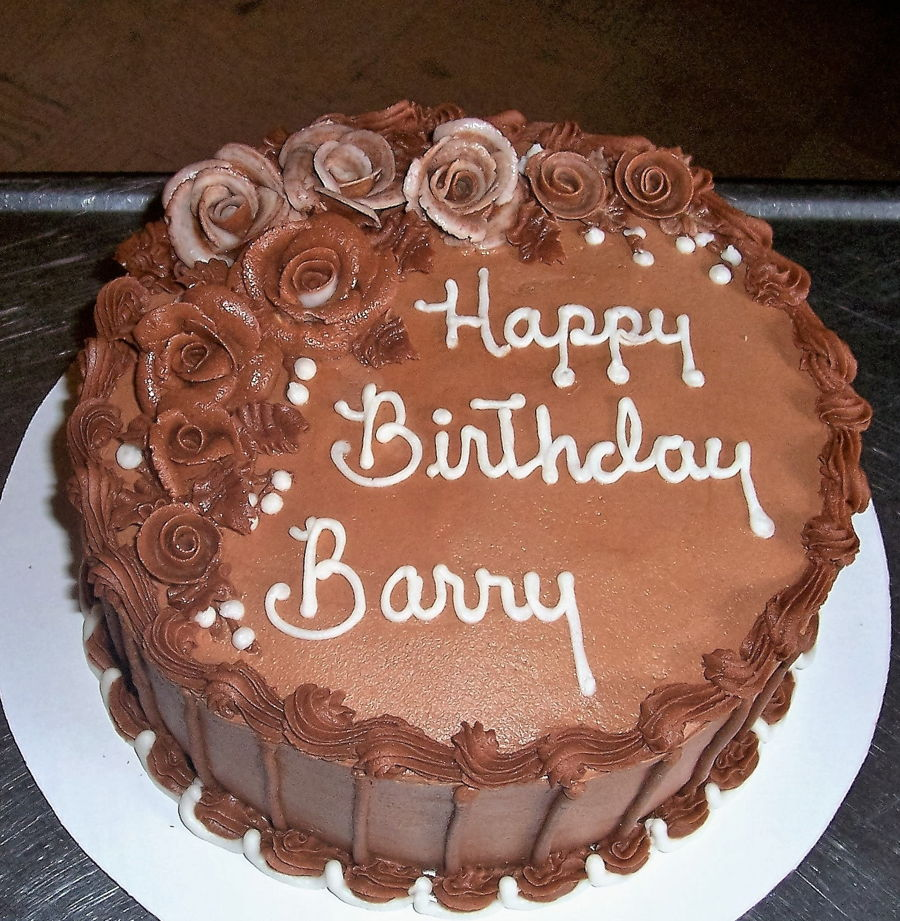
Today I turned 66 years old. That number lands differently than others have. Perhaps it’s because this birthday arrives in a season of transition—forty years of marriage, forty-eight years of pastoral ministry, and my first full year retired from full-time church leadership. Milestones have a way of clarifying life. They don’t answer every question, but they do help separate what is essential from what is expendable.

At 66, what matters most is not what I’ve accumulated, but what has shaped me. Here are seven things time has taught me to hold onto.

1. Relationships matter more than results.

For many years, my life was measured by outcomes such as attendance, growth, deadlines met, and goals achieved. Ministry was a privilege, but it also trained me to value results. Yet somehow, for me, relationships are secondary to productivity.

At 66, I’ve learned that results fade, but relationships endure. Programs end, seasons change, and accomplishments are eventually forgotten, but the way we love people leaves a lasting imprint. What matters most now are not the numbers we achieved, but the names we remember.

The relationships that have shaped me—my wife of forty years, family, friends, and the people I’ve been honored to serve—have proven far more significant than any measurable success. Love practiced consistently outweighs results celebrated briefly.

2. Faith is meant to be lived, not just proclaimed.

After decades of sermons, meetings, hospital visits, weddings, and memorial services, I’ve learned to value a quieter faith—one less concerned with having all the answers and more committed to trusting God in the unanswered places.

Faith matters most when it shows up in patience, kindness, humility, and hope. Belief becomes credible when it moves from the pulpit to the kitchen table.

Faith is life-giving, not life-judging.

3. Presence is better than pace.

Younger years are often measured by speed—how much can be done and how quickly. At 66, I’m learning the gift of slowing down. Presence allows me to notice conversations that don’t need fixing, moments that don’t need multitasking, and days that don’t need to be productive to be meaningful.

A full life is not the same as a hurried one. Will Rogers quipped, “The older we get, the fewer things seem worth standing in line for.”

4. Perspective comes with time.

Aging brings clarity that no book or seminar can provide. Studies consistently show that people in their 60s report higher levels of contentment and emotional well-being than many younger adults. That feels true. I worry less about what people think and more about how I treat them.

Not every battle deserves my energy. Not every opinion requires my response. Nont every post requires my feedback. Perspective is one of the quiet gifts of growing older.

We are not wired to resolve every problem or bear the weight of every grief outside our zip code.

5. Calling outlives titles.

Retirement has reminded me that calling does not end when a job does. It simply changes form. Encouraging others still matters. Listening still matters. Showing up still matters.

The difference now is that these things happen without an agenda, a deadline, or a business card, and that may be the truest expression of calling yet.

6. A sense of humor helps you age gracefully.

If you can’t laugh at yourself, aging becomes far more difficult than it needs to be. A good sense of humor keeps perspective intact and pride in check.

Years ago, Henry Ward Beecher suggested, “A person without a sense of humor is like a wagon without springs. It’s jolted by every pebble on the road.”

7. Gratitude is a game-changing life discipline.

If I had to sum up turning 66 in one word, it would be gratitude. Gratitude for years lived, lessons learned, love received, and mercy extended. Gratitude for a God who has been faithful in every season—especially the ones I didn’t understand at the time.

I don’t know how many birthdays remain, but I hope that when my time comes to depart this life, I go in my sleep with a smile on my face and a heart filled with gratitude.

Turning 66 has reminded me that what matters most is surprisingly simple and sufficient: loving well, trusting deeply, and living gratefully, one day at a time.

Marriage and Stuff: 7 Things I Wish We’d Been Told 40 Years Ago

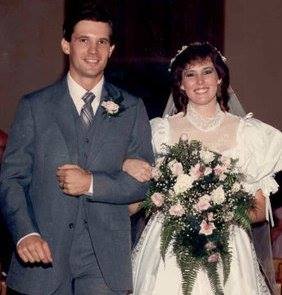
On September 7, 1985, Amanda and I stood in front of the congregation at the Post Oak Springs Baptist Church, exchanged wedding vows, and promised to love, honor, and cherish each other for life. The sanctuary was packed, a garden of ferns filled the choir loft, and the reception consisted of a simple buffet of wedding, nuts, mints, and punch. We were young, hopeful, and ready to face the world together.

Now, 40 years later, we’ve discovered that marriage is the greatest classroom of all. It teaches lessons you never thought you needed, often through life’s pop quizzes you didn’t see coming. Looking back, I sometimes wonder what would have been different if someone had pulled us aside that day and whispered a few of things we were about to learn in the trenches.

Across the years, as I have met with couples for “pre-marriage counseling,” I have shared some of the insights we’ve gleaned from our experiences along the way. Here are a few of those lessons:

1. Love is less about feelings and more about choices. The butterflies fade, the flowers wilt, and the honeymoon ends. But choosing each other every day, especially on the hard days, is what keeps the bond strong.

2. You can’t fix each other. I think every couple thinks they can sand off their spouse’s rough edges. Turns out, each person’s rough edges tend to create a bit of healthy tension that keeps you engaged in the relationship. The truth is, marriage is about helping each other grow, not remodeling each other into your dream spouse.

3. Laughter really is medicine. We’ve learned that a shared laugh can dissolve tension faster than a well-argued point. A good sense of humor is as important as a good budget.

4. You will disappoint each other. Perfection is a myth. Forgiveness is a must. Grace has saved our marriage more times than strategy ever could. So keep making more space for grace.

5. Time is one of your most valuable gifts. Careers, calendars, and commitments will fight for your attention. But nothing nourishes a marriage like time together. Even ordinary moments—a walk, a meal, a quiet evening—become more meaningful when shared.

6. Change is constant. We’re not the same people we were at 21 and 25, and that’s a good thing. Healthy marriages make room for growth, reinvention, and a few gray hairs.

7. Faith anchors you. Storms come—stressful circumstances, health scares, and compounded grief—but faith has been our ballast. As Ecclesiastes reminds us, “A cord of three strands is not quickly broken.”

If I could go back and whisper something to that young couple at the altar, I’d say: “Relax. You won’t have it all figured out. Just keep choosing each other, keep laughing, keep forgiving, and keep leaning on God.”

For your marriage to have durability, you can never put your relationship on cruise control. You will be called on to be focused, faithful, and flexible. Maya Angelou nailed it when she wrote, “Love recognizes no barriers. It jumps hurdles, leaps fences, penetrates walls to arrive at its destination full of hope.” 

Forty years in, our relationship is still growing, not because life has been easy, but because we’ve weathered it together. And if marriage means you have to wade through  “stuff,” as the title suggests, then I’m grateful for every bit of that stuff—because it has shaped us into who we are today.

Here’s to the next chapter of love, laughter, and learning together.

Building Bridges Across the Great Divide

http://www.rarehistoricalphotos.com

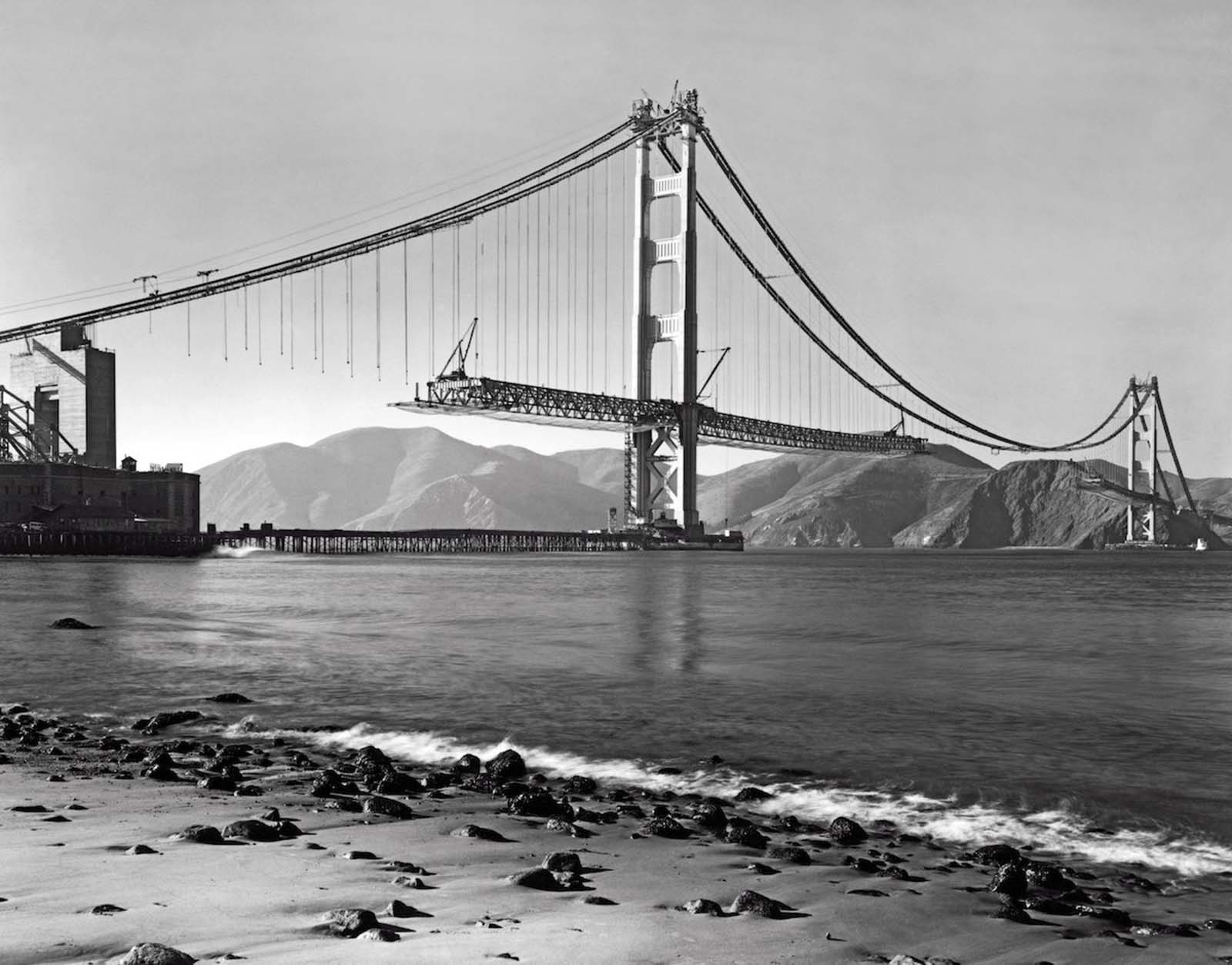
When construction began on the Golden Gate Bridge in 1933, skeptics said it couldn’t be done. The winds were too fierce. The fog too dense. The span too long. But through grit, innovation, and vision, workers united across trades and backgrounds to connect two shores that had long been separated. Against enormous odds, the bridge was completed in 1937 and still stands today. It is not just as an engineering marvel, but a symbol of what’s possible when people work together to span what divides them.

Our nation needs that kind of bridge-building again, not with steel and cables, but with courage, empathy, and dialogue.

We are living in a time when division feels more visible and more visceral than ever. Political debates become personal battles. Social media threads unravel into shouting matches. Families gather around dinner tables, uncertain about how to talk about the world without tearing each other apart.

We are, in many ways, a nation of silos, more comfortable in our echo chambers than in conversations that challenge us. But if we want to build a better future, we cannot afford to remain divided. The health of our democracy and the well-being of our families and communities depend on our ability to build bridges across the great divide.

A wise person once remarked, “Unity is not the absence of differences but the presence of mutual respect in the midst of them.”

Division is not new, but it has been amplified. Fueled by polarized media, ideological entrenchment, and the fast-paced spread of misinformation and disinformation, we’ve drifted into a mindset that sees those who disagree with us not as fellow citizens but as threats. That’s a dangerous place for any society to be.

As the late Senator John McCain once warned, “We weaken our greatness when we confuse patriotism with tribal rivalries that have sown resentment and hatred and violence across all the corners of the globe.” Civility isn’t cowardice. It’s a form of courage. And dialogue isn’t defeat; it’s a doorway to understanding.

After the Civil War, President Abraham Lincoln worked not only to reunite the nation politically but to heal it relationally. When criticized for showing kindness to Confederate sympathizers, Lincoln replied, “Do I not destroy my enemies when I make them my friends?” His commitment to unity, even amidst deep division, laid a foundation for national healing, one conversation and one gesture at a time

Recently, I read about a local church and a nearby civic group who hosted a community roundtable with people from across the political spectrum. The conversation was slow and awkward at times, but also honest, respectful, and hopeful. Participants left not with total agreement, but with mutual appreciation and a shared desire to keep the conversation going.

That’s where healing begins: not in uniformity, but in humility and respect.

A shared future requires shared values. Most of us, regardless of political leanings, want similar things: safe communities, healthy families, meaningful work, a stable economy, and a sense of dignity and belonging for all people. When we begin with the values we hold in common, we can face what divides us with greater grace.

To live in unity does not require uniformity of thought, perspective, or conviction. It does require that we build on our common values, even when we don’t share the exact same viewpoint. Rick Warren wisely reminds us, “We don’t have to see eye to eye to walk hand in hand.”

The work of bridge-building is not glamorous. It won’t trend on social media. But it is deeply necessary. It happens in quiet conversations, in community service projects, in choosing curiosity over caricature.

If we want to leave a better world for our children and grandchildren, we must begin not by shouting louder, but by listening deeper. We must become savvy builders who construct bridges, cultivate relationships, and collaborate as problem-solvers. And we must dare to believe that across even the widest divide, bridges can still be built.

Let us be those who build them.

(Barry Howard is a retired pastor who now serves as a leadership coach and consultant with the Center for Healthy Churches. He and his wife live on Cove Lake in northeast Alabama.)

“A Sweet Friendship Refreshes the Soul”

“Just as lotions and fragrance give sensual delight, a sweet friendship refreshes the soul.”
Proverbs 27:9, The Message

There’s nothing quite like a true friend. Not just an acquaintance, not just a name in your contacts list—but someone who lifts your spirits, listens without judgment, and lingers beside you in both celebration and sorrow. According to Proverbs 27:9, that kind of friendship is like a soothing balm—something that restores, heals, and renews the soul.

In a time when loneliness is called a public health crisis, the simple beauty of soul-refreshing friendship becomes even more vital. It’s not flashy. It’s not trending. But it’s life-saving.

C. Raymond Beran described a friend this way: “A friend is someone with whom you dare to be yourself. Your soul can be naked with them. They ask you to put on nothing—only to be what you are.” With them, you can laugh without caution, cry without shame, and speak without filters. You can sit in silence or spill your story. With a true friend, you are not edited, evaluated, or erased. You are simply embraced.

History offers us luminous models of such relationships. When C. S. Lewis and J. R. R. Tolkien met at Oxford, they bonded over stories, ideas, and faith. Over the years, their friendship sharpened their creativity and deepened their convictions. Lewis once wrote, “Friendship is unnecessary, like philosophy, like art… It has no survival value; rather it is one of those things which give value to survival.”

We may not all write epic novels, but each of us needs that kind of sweet, soulful companionship.

How does this relate to our faith and our church? A church ought to be the kind of place where friendship blooms. The early Quakers captured this spirit when they called themselves “The Society of Friends.” Churches aren’t meant to be cold institutions, but communities where friendships in Christ sustain us through joy and heartache, growth and grief.

Yes, maintaining good friendships requires effort—patience, forgiveness, and grace. E.C. McKenzie once noted, “Some people make enemies instead of friends because it is less trouble.” But oh, what a loss. Because when you find that friend who refreshes your soul, you’ve found a rare and sacred gift.

Take time today to reflect about the friends who lighten your load and lift your spirit. Call them. Thank them. Pray for them. And if your soul is weary, open your heart to a new friend. You never know—God may use that sweet friendship to refresh your soul in ways you didn’t expect.

“The Gift of Friendship: Blessed Be the Tie That Binds”

What in the world would we do without friends?

Trusted and treasured friendships bring both joy and stability to life’s adventures. Mark Twain humorously quipped, “Good friends, good books, and a sleepy conscience: this is the ideal life.” While not all relationships are deep or lasting, the bonds of true friendship have a way of grounding us, enriching our experiences, and helping us navigate life’s ups and downs.

Some people remain mere acquaintances, while others—often unexpectedly—become dear friends. The ancient wisdom of Proverbs 18:24 (as rendered in The Message) acknowledges this reality: “Friends come and friends go, but a true friend sticks by you like family.” Friendship is not just about shared interests or proximity; it’s about commitment, loyalty, and a willingness to walk alongside one another through all seasons of life.

C. Raymond Beran offers a poignant description of friendship:

Friends are people with whom you dare to be yourself. Your soul can be naked with them. They ask you to put on nothing, only to be what you are. They do not want you to be better or worse. When you are with them, you feel as a prisoner feels who has been declared innocent. You do not have to be on your guard. You can say what you think, as long as it is genuinely you… Friends understand those contradictions in your nature that lead others to misjudge you… You can weep with them, sing with them, laugh with them, pray with them. Through it all—and underneath—they see, know, and love you.

In a world where competition and self-interest often dominate, how do we develop and sustain meaningful friendships? The answer lies in grace, mercy, patience, and perseverance. True friendship requires intentionality—it may be a gift from God, but it must be proactively cultivated and nurtured.

Churches, at their best, are built not just on faith but also on friendship. A congregation is a diverse collection of people from different backgrounds who stand together in tough times, who challenge and inspire one another, and who—despite their differences—unite in a shared faith and mission. Perhaps the Quakers had it right when they named their faith community “The Society of Friends.”

Friendship is durable. It binds our hearts and minds in a way that bridges theological differences, rises above political disagreements, and weathers the hardships of life.

As we move forward, let us cherish the friendships we have and remain open to forming new ones. Robert Louis Stevenson once wrote, “So long as we are loved by others, I would almost say that we are indispensable; and no man is useless while he has a friend.” Indeed, friendship has a way of affirming our worth and purpose.

E.C. McKenzie insightfully noted, “Some people make enemies instead of friends because it is less trouble.” While friendships may require effort, vulnerability, and sometimes even forgiveness, they are undeniably worth it. After all, life is richer when shared with those who remind us of our song—even when we forget the words.

(Barry Howard is a retired pastor who serves as a leadership coach and consultant with the Center for Healthy Churches.)

Reflections on Turning 65: 10 Things I Am Still Learning About Life

Today I turn 65 years old, and I’m proud of it. Kevan Manwaring suggests, “A birthday is a time to reflect, to take stock and to look ahead.”

Ms. Bertha Boozer, our long-time neighbor in the Williams Community who lived to be 107, always told me, “I don’t understand my friends who complain when they have a birthday. Do they not understand the alternative?” Then she added, “I think every birthday is a blessing.” Amen to that!

I’ve enjoyed most of my birthdays. This year, however, as I celebrate 65 years of life, it feels a little different, a little more contemplative, a little more like a shifting of gears. At age 55 I received my AARP card. As I approached 65 I received my Medicare card. Plus, I’ve retired (again) recently, so I guess this an occasion to reflect on the journey so far, the lessons learned, and the wisdom gained along the way. So, here are some thoughts as I process this milestone birthday:

1. Faith is more of a sail to be raised than an anchor to be dropped. I certainly understand the metaphor of faith as an anchor, but that analogy is best understood in the context of a storm-tossed sea where faith keeps us from being tossed to and fro. Faith is active in the sense that it is continually growing, and we are constantly being re-shaped and “transformed by the renewing of our minds.” Faith is not about staying in one place but about moving forward, trusting the wind of the Spirit to help us navigate life’s uncertainties with confidence and grace.

2. Relationships are more important than stuff. As I’ve aged, it’s become clearer that material possessions pale in comparison to the value of deep, meaningful relationships. I can identify with Jimmy Carter’s assessment that “Earlier in my life I thought the things that mattered were the things that you could see, like your car, your house, your wealth, your property, your office. But as I’ve grown older, I’ve become convinced that the things that matter most are the things that you can’t see — the love you share with others, your inner purpose, your comfort with who you are.” People bring joy and purpose to life in a way things never can.

3. Choose the scenic route rather than the interstate. When possible, choose the backroads rather than the turnpike. Pace yourself and enjoy the scenery. Through the years I’ve even noticed that detours often turn out to be better than the route we originally chose. Life rarely goes as planned, but some of the best experiences and lessons come from unexpected changes in direction. Taking the scenic route and navigating detours has led me to places I never knew I needed to go.

4. Worry is a waste of time and brain cells. Worrying has never solved a problem or changed an outcome. Erma Bombeck was right on target: “Worry is like a rocking chair: it gives you something to do but I never gets you anywhere.” Letting go of worry frees us mental and emotional bandwidth so that we can think creatively, focus on solutions, and do effective problem-solving.

5. The most significant things we do in life we are seldom aware of when we do them. I have been blessed to have opportunities to stand before a handful of people  and to more than a thousand to preach sermons, offer eulogies, or officiate weddings. Yet I think the most significant things I’ve done in life were not in the public eye. Some of our greatest impacts on others come from simple, unintentional acts of kindness. It’s humbling to know that what feels small to us may be life-changing for someone else.

6. Time is the real currency of life and we are wise to spend it thoughtfully and intentially. Art Buchwald said “Whether it’s the best of times or the worst of times, it’s the only time we’ve got.” At 65, I’ve learned that time is far more valuable than money. How we choose to spend our time—and with whom—defines the quality of our lives.

7. Mistakes are opportunities for growth. My friend and encourager, Dr. John Harris, a retired pastor from Louisianna who served as a pastoral counselor in Birmingham, continually reminded me, “Never waste a mistake.” Mistakes are not failures; they are stepping stones to greater understanding and strength. Each one teaches us something valuable if we’re willing to learn.

8. Our self-worth is much more than the value of our bank accounts at any given time. True worth is found in character, kindness, and the love we share with others. Money can never define who we are or how much we matter. Adam Grant reminds us, “A stable sense of self-worth stems from putting identity above image: worrying less about what others think of us than what we think of ourselves.”

9. Health is a gift never to be taken for granted. Good health is one of life’s greatest blessings. Denis Waitley underscored, “Time And health are two precious assets that we don’t recognize and appreciate until they have been depleted.” Taking care of our bodies and minds allows us to fully enjoy the time we have and the people we share it with.

10. We discover our purpose as we are engaged in serving. Purpose is discovered in action, not in waiting. I’ve seen it over and over again. Students who are engaged in service projects or who serve on mission trips seem to awaken more to their life’s passion or their sense of calling in life than those who simply make career choices based on projected income. By stepping up to help and serve others, we find deeper meaning and fulfillment in life.

Turning 65 has been a time of reflection and growth. These lessons have shaped who I am and continue to guide me as I embrace the years ahead.

Despite a lifetime of experience, I am not really an expert in anything, but I am an avid student of life. As popular musician David Bowie grew older he observed, “Aging is an extraordinary process where you become the person you always should have been.”

Here’s to continuing the journey with faith, purpose, and gratitude for all that has been and all that is yet to come.

Building Up the Body: 10 Ways to Encourage One Another

People are hungry for encouragement. Life can be extremely discouraging at times.

During this season of wars and rumors of wars, of turbulent and toxic discourse, it’s not the TikTokers or the Tweeters, not the pop culture icons or the politicians, but the encouragers who are the most significant influencers.

William Arthur Ward “Flatter me, and I may not believe you. Criticize me, and I may not like you. Ignore me, and I may not forgive you. Encourage me, and I will not forget you.”

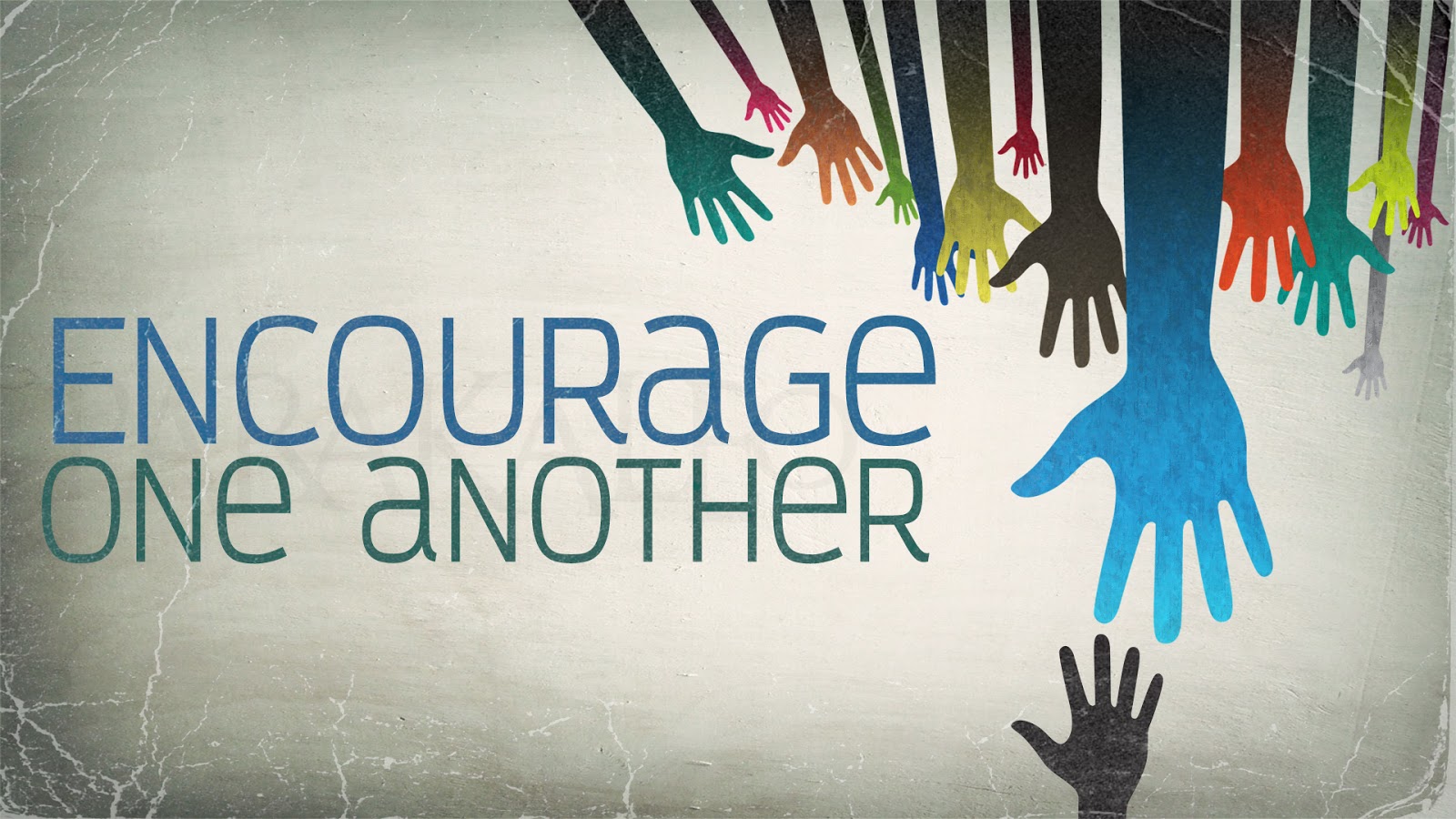
As followers of Jesus, we are called to build each other up and encourage one another daily (I Thessalonians 5:11). In a world filled with challenges, a word of encouragement can brighten someone’s day, restore their hope, or strengthen their faith. Here are 10 practical ways you can encourage those around you:

  1. Pray for each other. One of the most powerful ways to encourage is to pray. Let someone know you’re praying for them and lift them up regularly before God.

  2. Offer a listening ear. Sometimes the best way to encourage someone is simply to listen without judgment or interruption. Let them feel heard and valued.

  3. Speak words of affirmation.  A kind word can go a long way. Affirm someone’s strengths, character, or faithfulness. Proverbs 16:24 reminds us, “Gracious words are a honeycomb, sweet to the soul and healing to the bones.”

  4. Send an encouraging note. Whether it’s a handwritten card, a text message, or an email, a small note of encouragement can brighten someone’s day and remind them that they are loved and appreciated.

  5. Share an inspiring verse of scripture. The Bible is filled with promises and encouragement. Share a meaningful verse that can uplift someone during a difficult time.

  6. Celebrate the accomplishments of others. Acknowledge the milestones and victories in someone’s life, no matter how small. Celebrating with others brings joy and motivation.

  7. Be present. Sometimes just showing up when someone is going through a tough time is the most encouraging thing you can do. Your presence can speak volumes when words aren’t enough.

  8. Be available to provide assistance. Practical support in the form of running errands, providing meals, or lending a hand can encourage someone who is overwhelmed or struggling.

  9. Be patient and forgiving. Encouragement often comes through offering grace and understanding. Be patient with others, knowing we all go through seasons where we need extra kindness.

  10. Speak the truth in love. Encourage others by speaking truthfully but with compassion. Sometimes the most loving thing you can do is help someone see a situation with clarity, rooted in love and grace.

Never underestimate the power and importance of encouragement. George M. Adams writes, “Encouragement is the oxygen of the soul.”

In a world where criticism, negativity, and hopelessness abound, encouragement can be a breath of fresh air. When we offer a word or gesture of encouragement, we may just resuscitate the spirit of one who is on the verge of despair.